all 17 comments

sorted by: hot top controversial new old
[–] 61 points 2 years ago (1 child)
  • [–] 28 points 2 years ago (2 children)
  • [–] 18 points 2 years ago

    Good for them for attempting to redeem themselves after what they did to my potatoes. But I'll never forgive them.

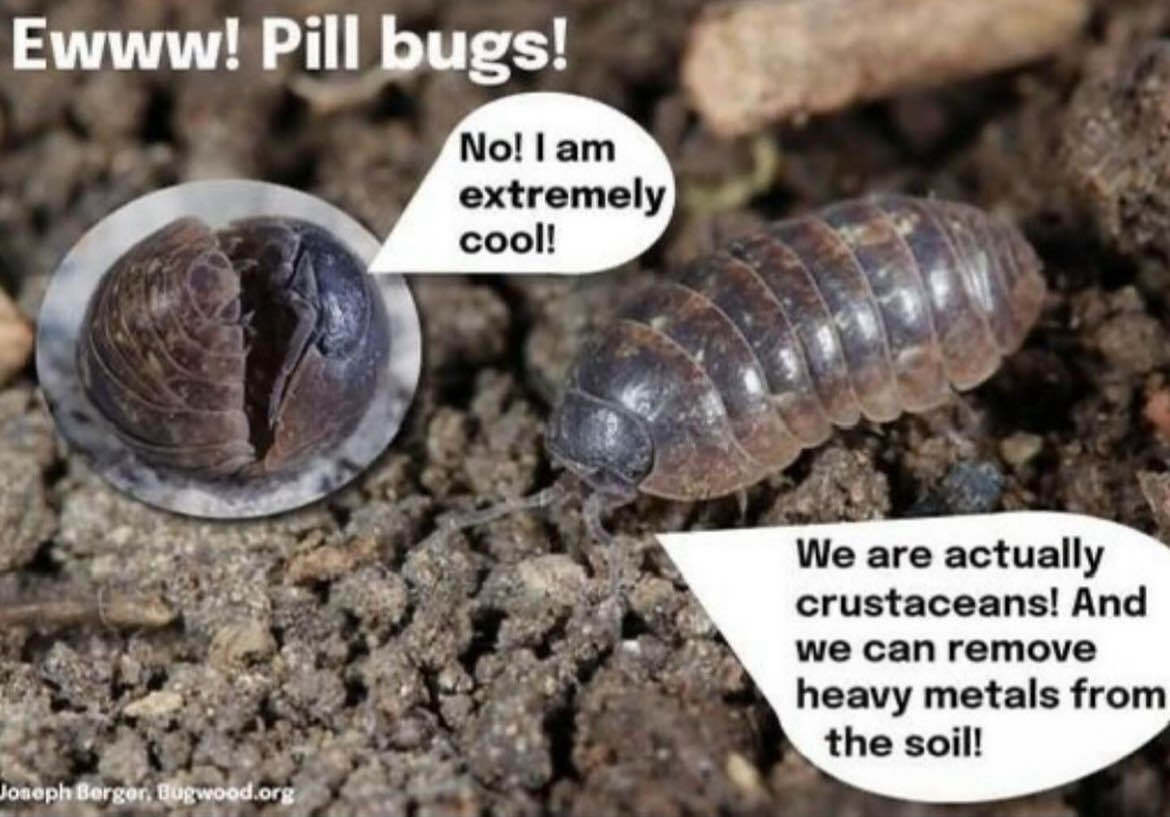
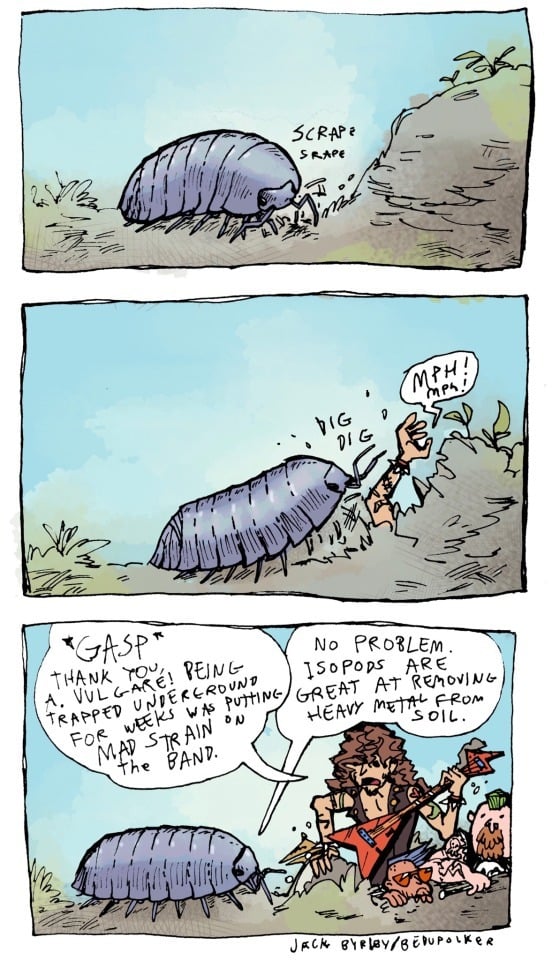
    They may have fooled you with their cute little rolls and their ability to mitigate human pollution, but I see them.

  • source
  • [–] 18 points 2 years ago (2 children)
  • [–] 17 points 2 years ago

    I used to collect these and keep them in a coffee tin filled with dirt (and air holes) they bred like crazy. I loved those little rollie pollies so much!

    It was the 90s, insects weren't even on the radar of animal cruelty. Parents definitely weren't commonly teaching against it. Before anyone @ me. I disagree with it now.

  • source
  • [–] 15 points 2 years ago (2 children)

    so it goes into their bodies and when they die back into the soil?

  • source
  • hideshow 4 child comments
  • [–] 13 points 2 years ago (1 child)

    Wait where do the heavy metals go after they die? Or do they just bind them in some more stable chemical form?

  • source
  • hideshow 2 child comments
  • [–] [S] 3 points 2 years ago

    There might be some immobilization, but it would be relatively short lived, depending on the C:N ratio of the isopods ( I can't believe I just typed that) and where the metals are stored in the isopods (again). If it's in the chitin, release times would be slower.

    Either way, it would ultimately return to the soil. Some organically bound metal (e.g., in soil organic matter) are labile and might leach out over time but the bulk of it would be stable, I imagine.

  • source
  • parent
  • [–] 6 points 2 years ago

    I keep a bin of dirt in my living room that has a thriving potato bug colony. They get fed veggie scraps periodically. One of my favorite animals

  • source