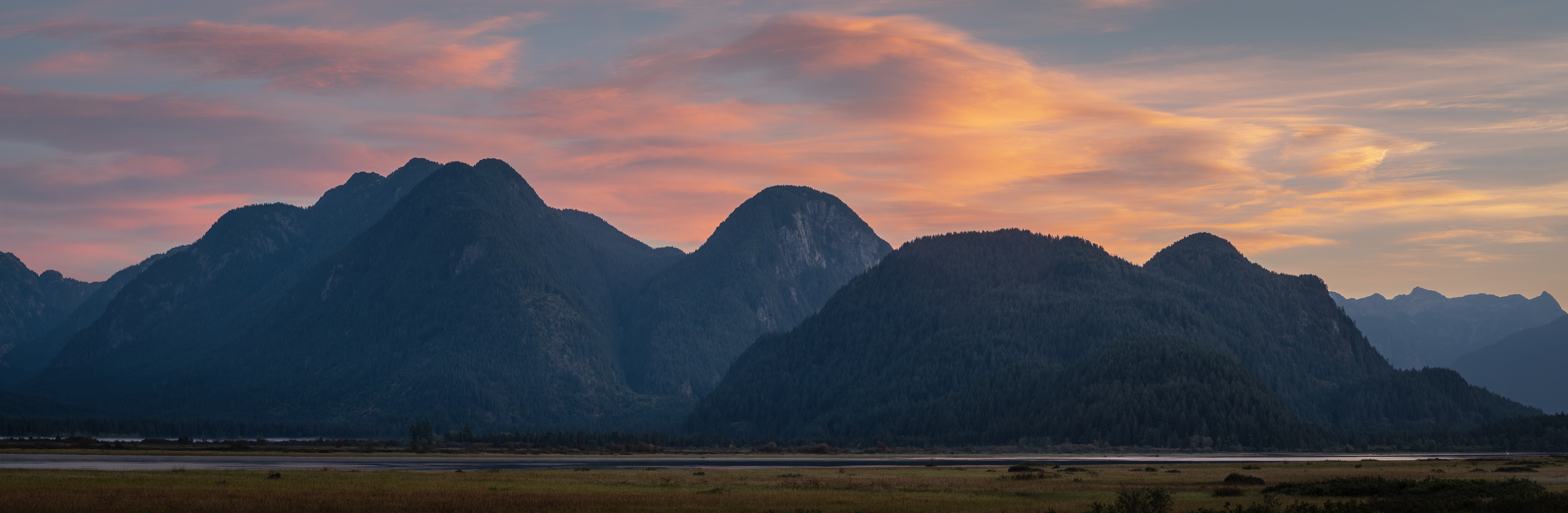
Caught some sunrise colours this morning out at Pitt Meadows.
Check out The Physics of Superheroes. It's a fun read.
One small bit of related advice: if you're using both a lens with stabilization and a tripod, make sure to turn stabilization off while it's mounted on the tripod.
It's somewhat counter-intuitive, I know, but I've found that if it's left on, the lens tries to compensate, and the resulting images are a bit blurry / shaky.
I think upper left might be Davey Richards? Not 100% sure though.
Thanks! For sure, dramatic sunrise clouds are one of my favourite fall features.
Caught some sunrise colours this morning out at Pitt Meadows.
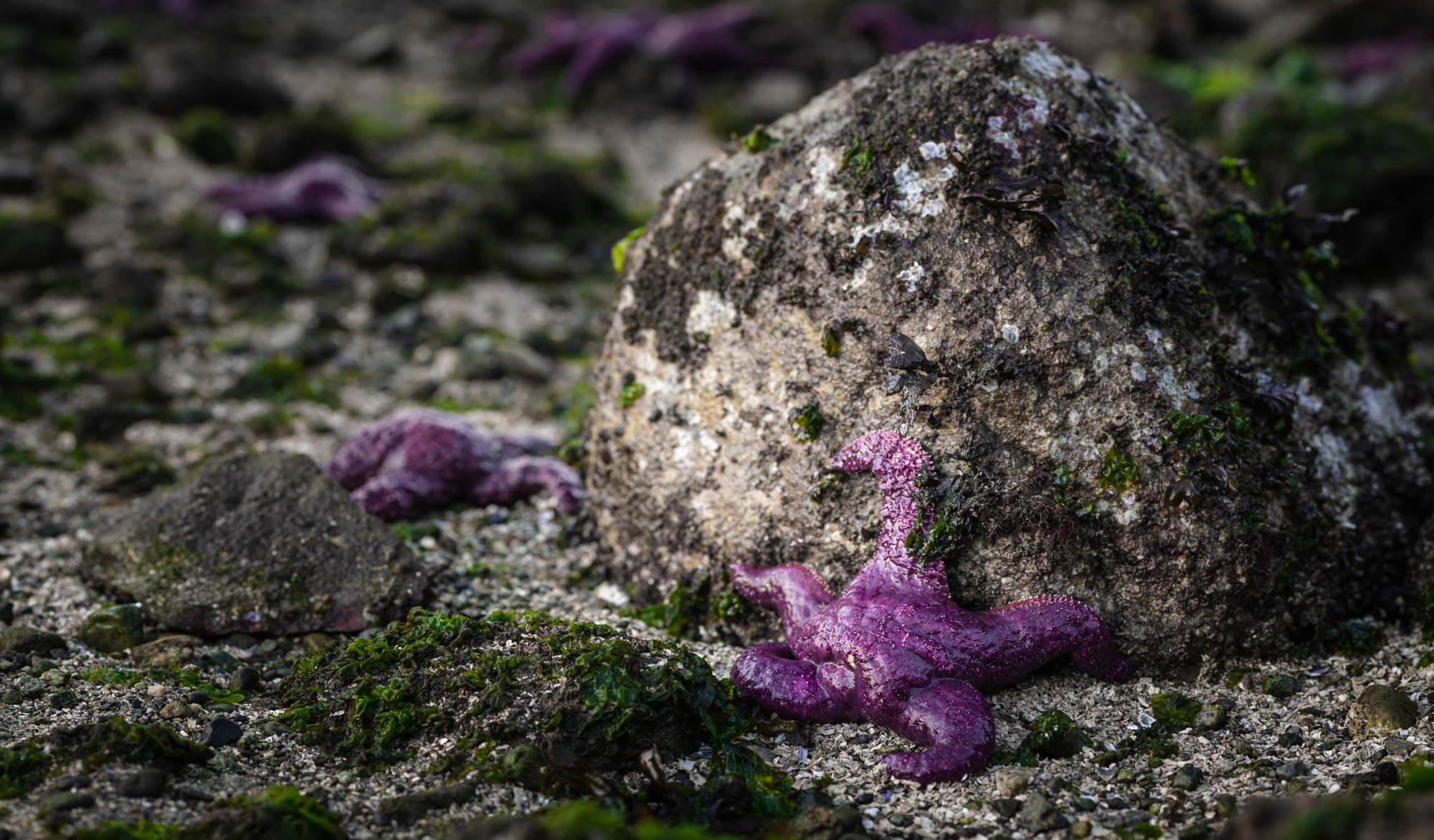
Came across a collection of starfish at Cates Park this morning due to low tide. I've never seen them up close like this before, very alien looking.
Thanks very much!
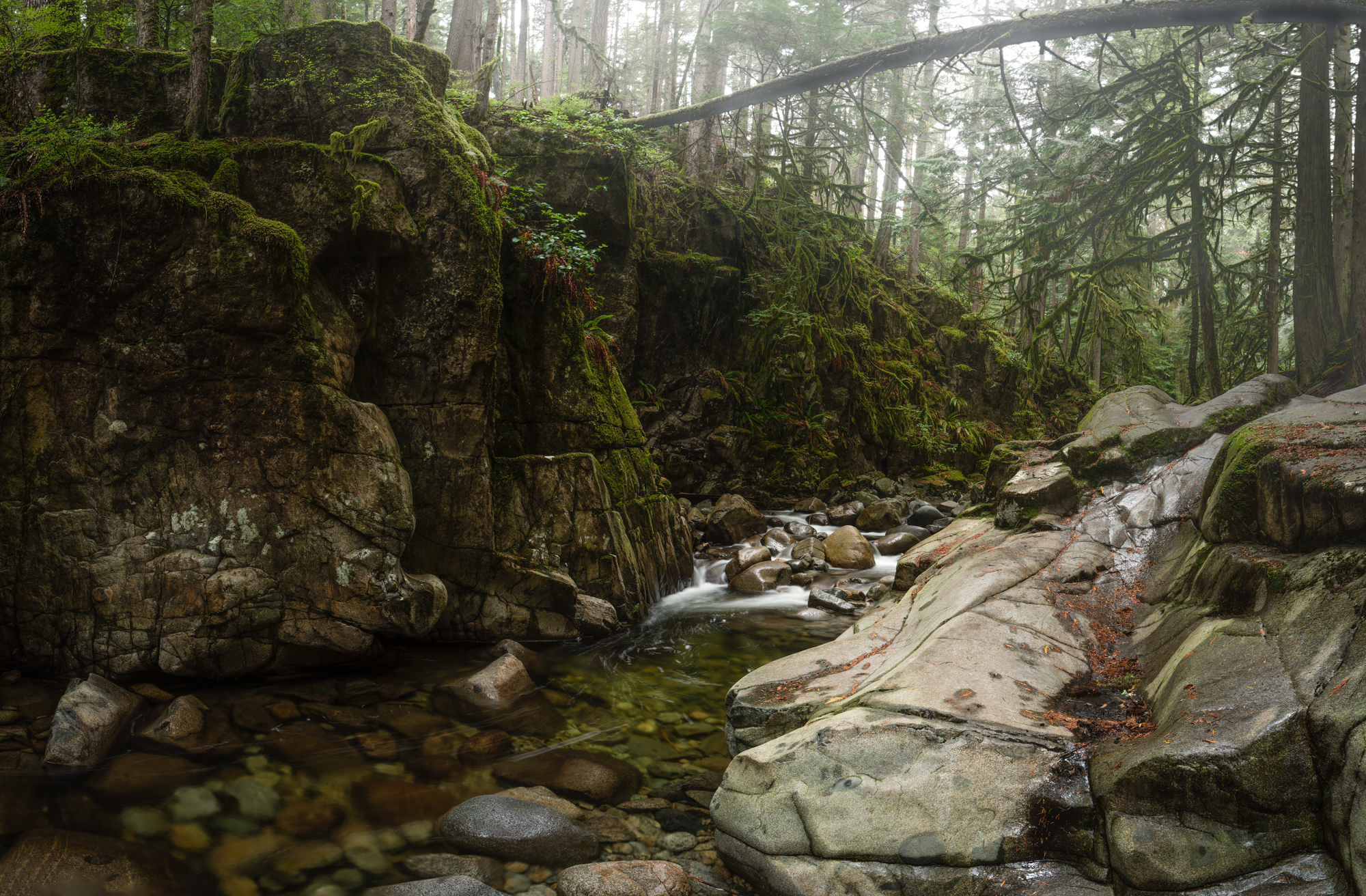
A misty morning in Cypress Falls Park, leading into the canyon.
Foggy Lake - More sunrise fall fog, this time from Burnaby Lake.
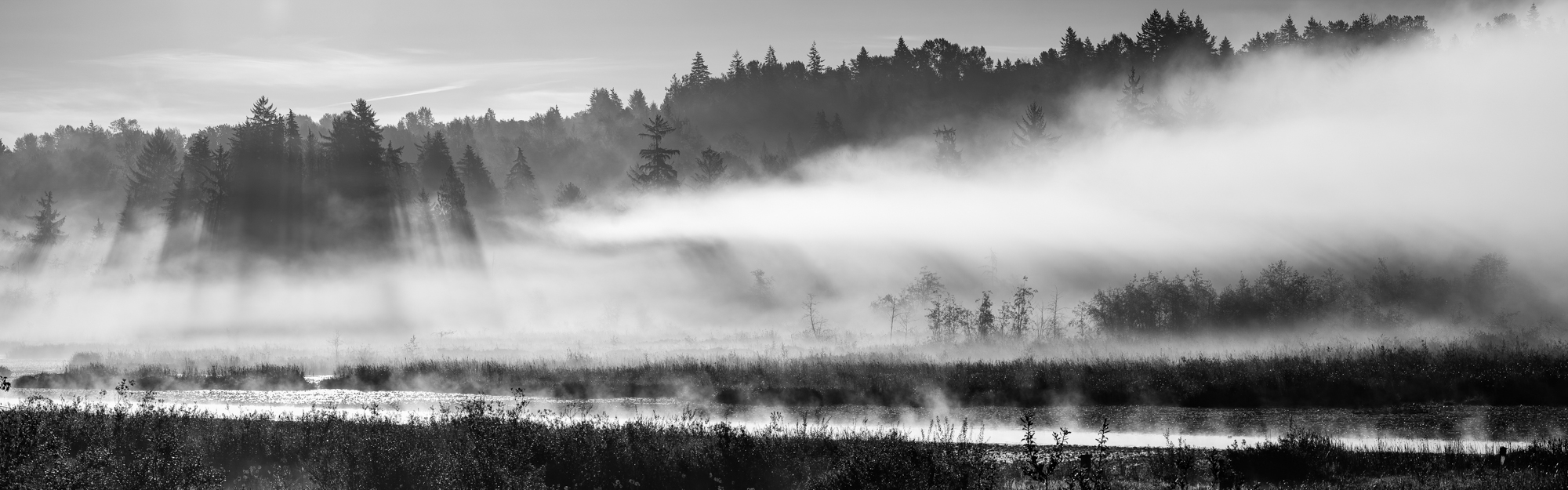
Really liked the shapes that the negative space of the fog took here. Calm and simple.

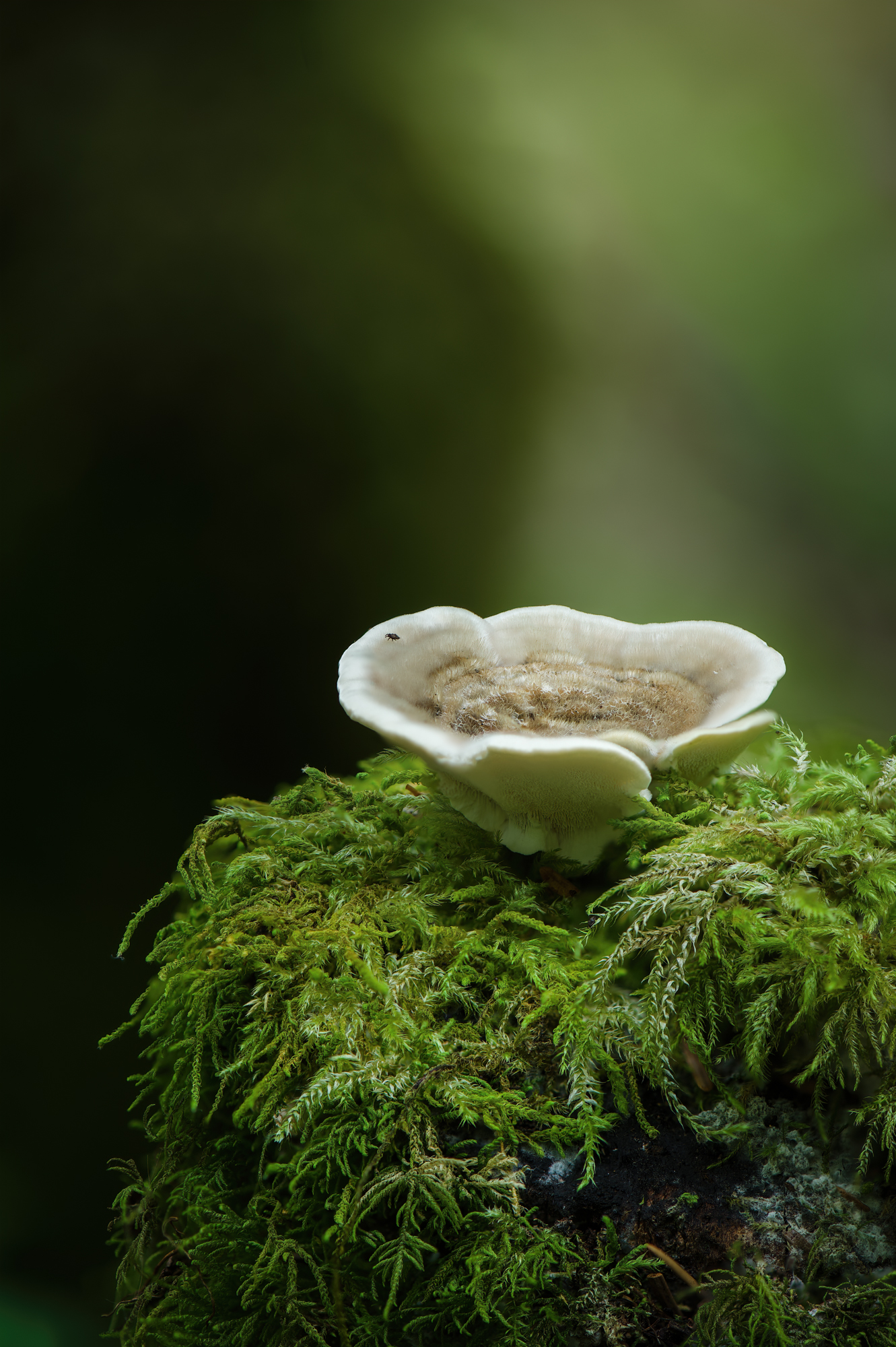
Nice standalone mushroom seen this morning in Woodhaven Swamp (with a tiny guest).
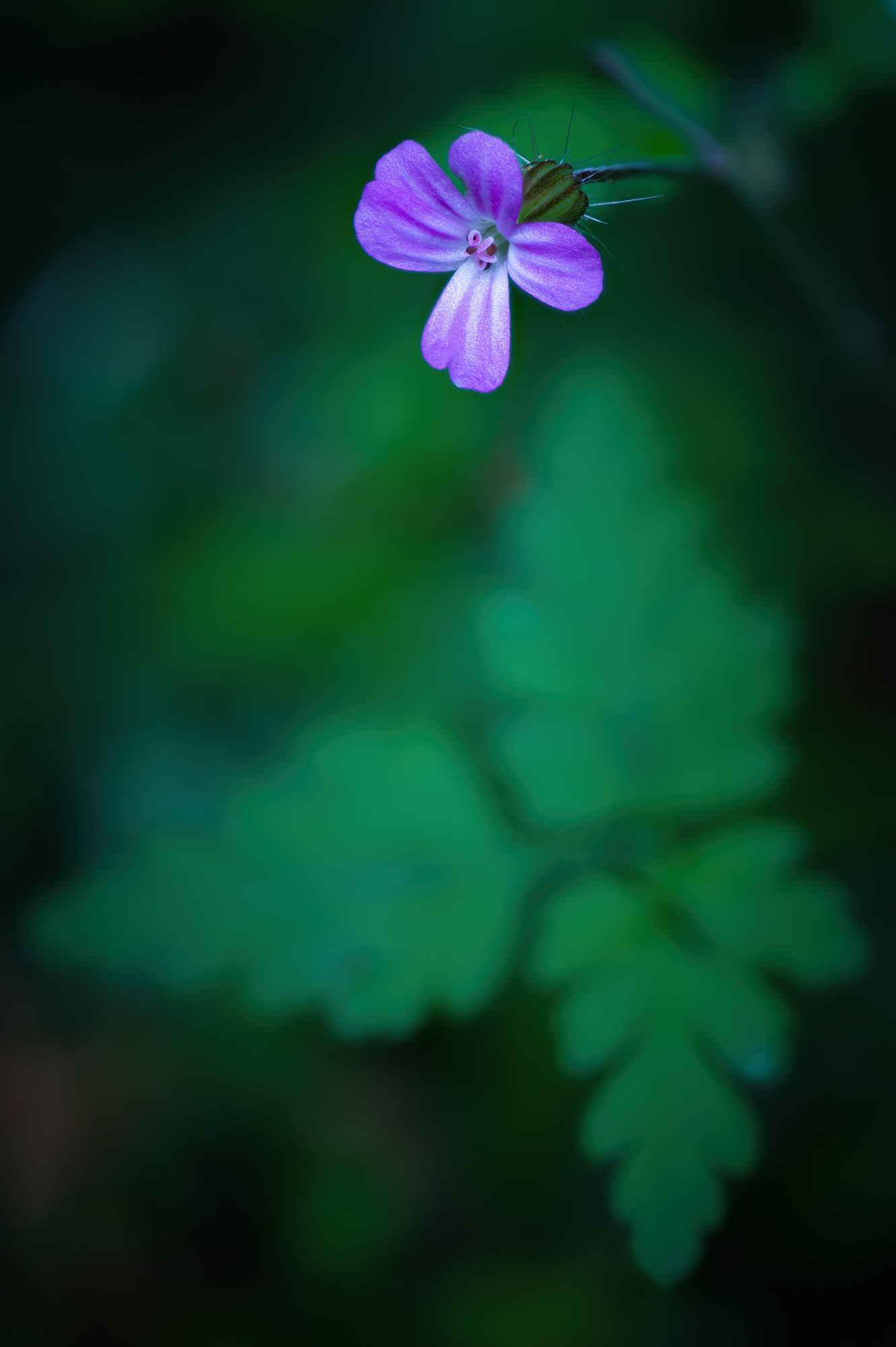
The dregs of summer are upon us for sure. Most plants are either withering away, or are big leafy greens (which don't typically macrophoto very well). Caught this lil purple guy along the trail in Capilano Canyon.
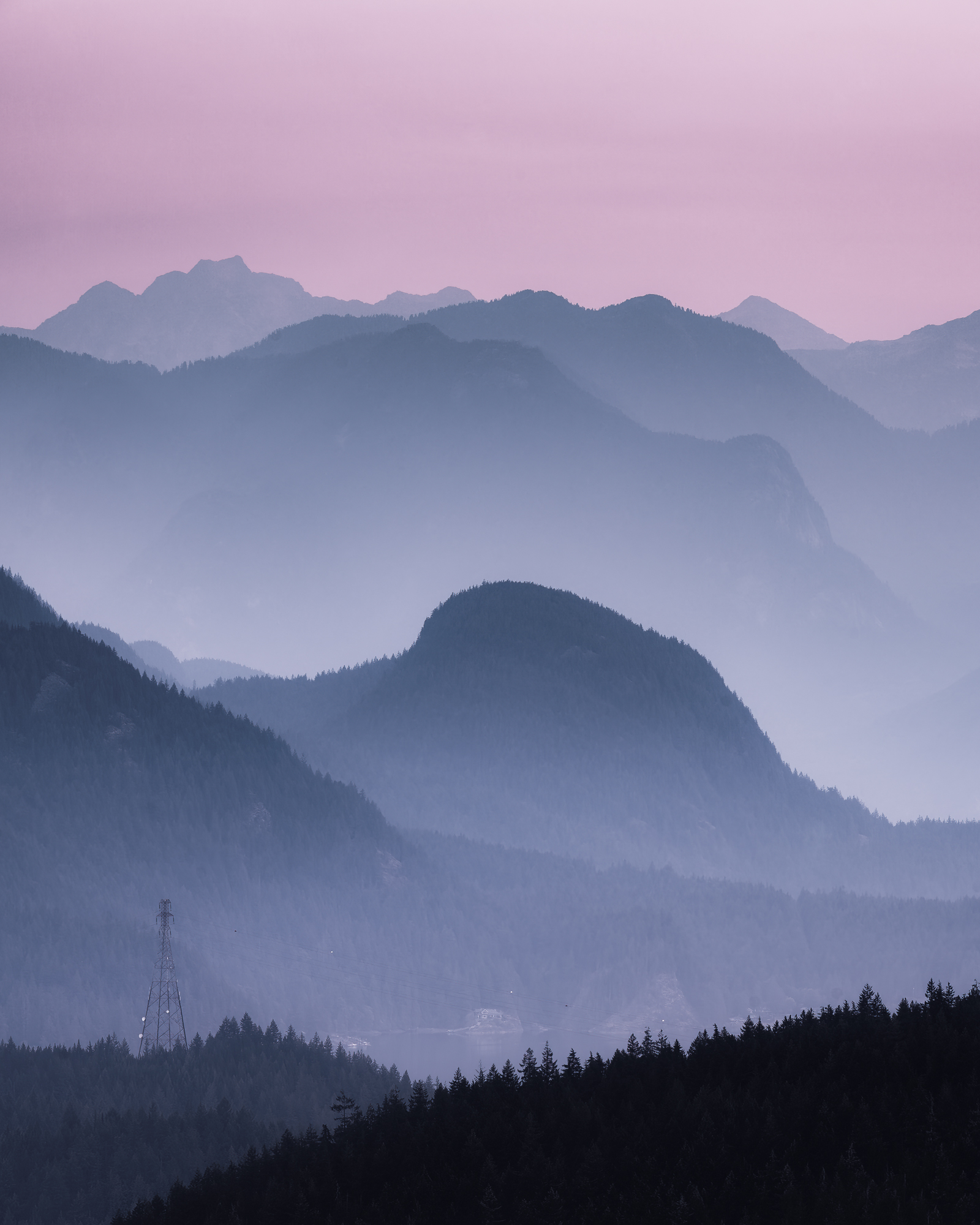
Wildfire smoke still pretty strong here in Vancouver. This is a viewpoint from Burnaby Mountain, looking north towards Deep Cove and Indian Arm.
Cheers thanks! Yep, one other shot you should be able to see on my profile.
Thanks very much! This was shot on a Nikon Z6, using the F-mount 105mm macro lens. It's a focus stack of 25 exposures, each shot at 0.4s f/5.6.
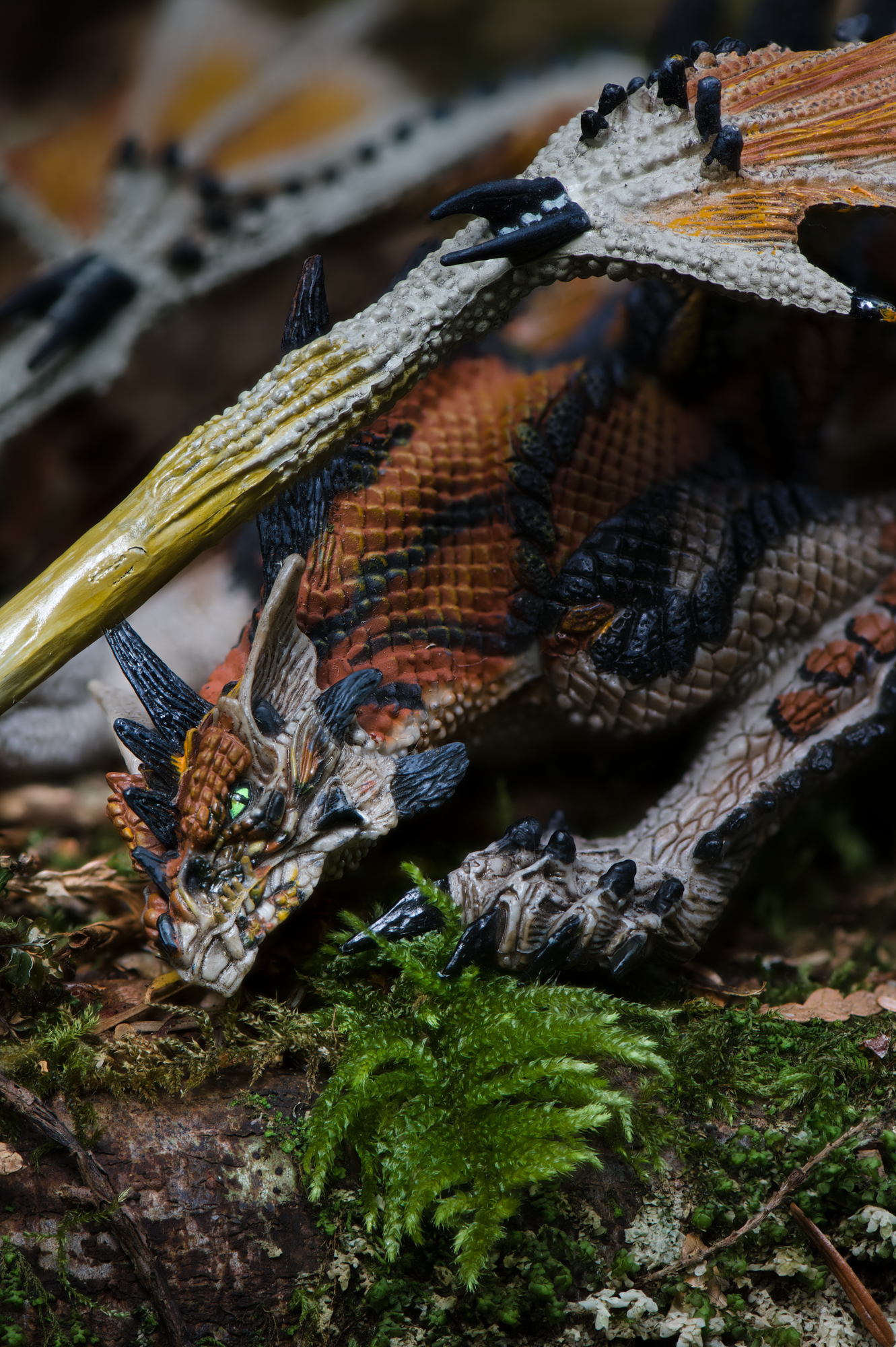
Took a couple of my old McFarlane dragon figures out on a hike this morning.

Took a couple of my old McFarlane dragon figures out on a hike this morning.
Thanks very much! It’s pretty hot right now, we’ve got a few days of 30C weather in front of us right now. Been a very dry summer (by Vancouver standards, at any rate).
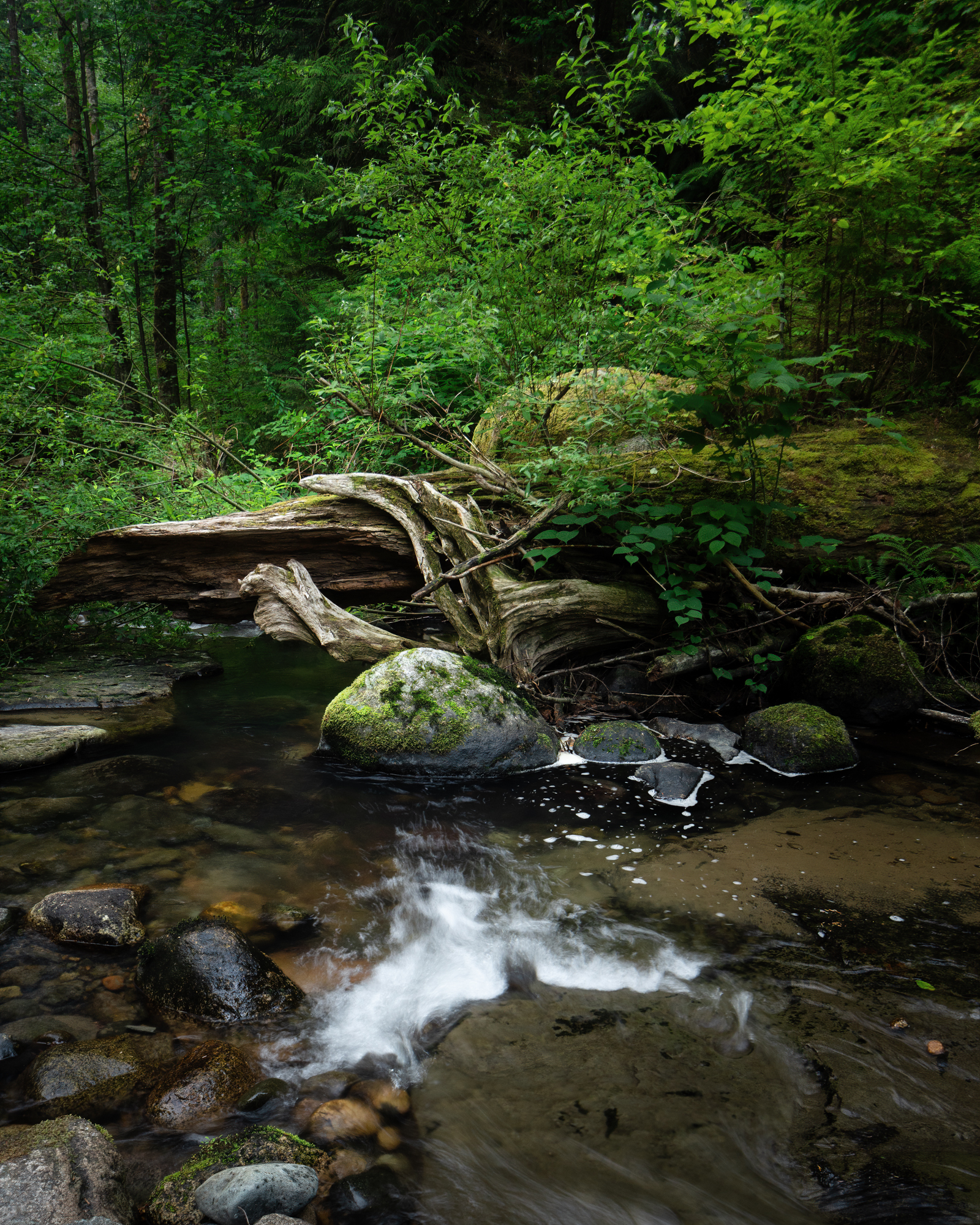
Took a walk around Cliff Falls Park in Maple Ridge this morning. Might be worth a re-visit in the fall, once the water flow is stronger.
Thank you! Process involves shooting a range of images in the field (generally more than I need), then merging them in either Photoshop or a tool like Helicon Focus. I then select the edge shots (where I'd like the focus to begin and end), and then selectively edit and/or remove shots from the stack; perhaps the wind moved the subject a bit, or a bug entered shot. Following that is my usual RAW processing regime, which varies from shot to shot.
Thanks! The drop-off is something that I've struggled with using this process so far, as the edge shots will have the same shallow DoF that all of the other ones do. If there were a way to vary aperture while shooting the stack, that might be a way to do it.
Not fake, but focus stacked. This is 29 shots blended, each at 1/13s, f/5.6.
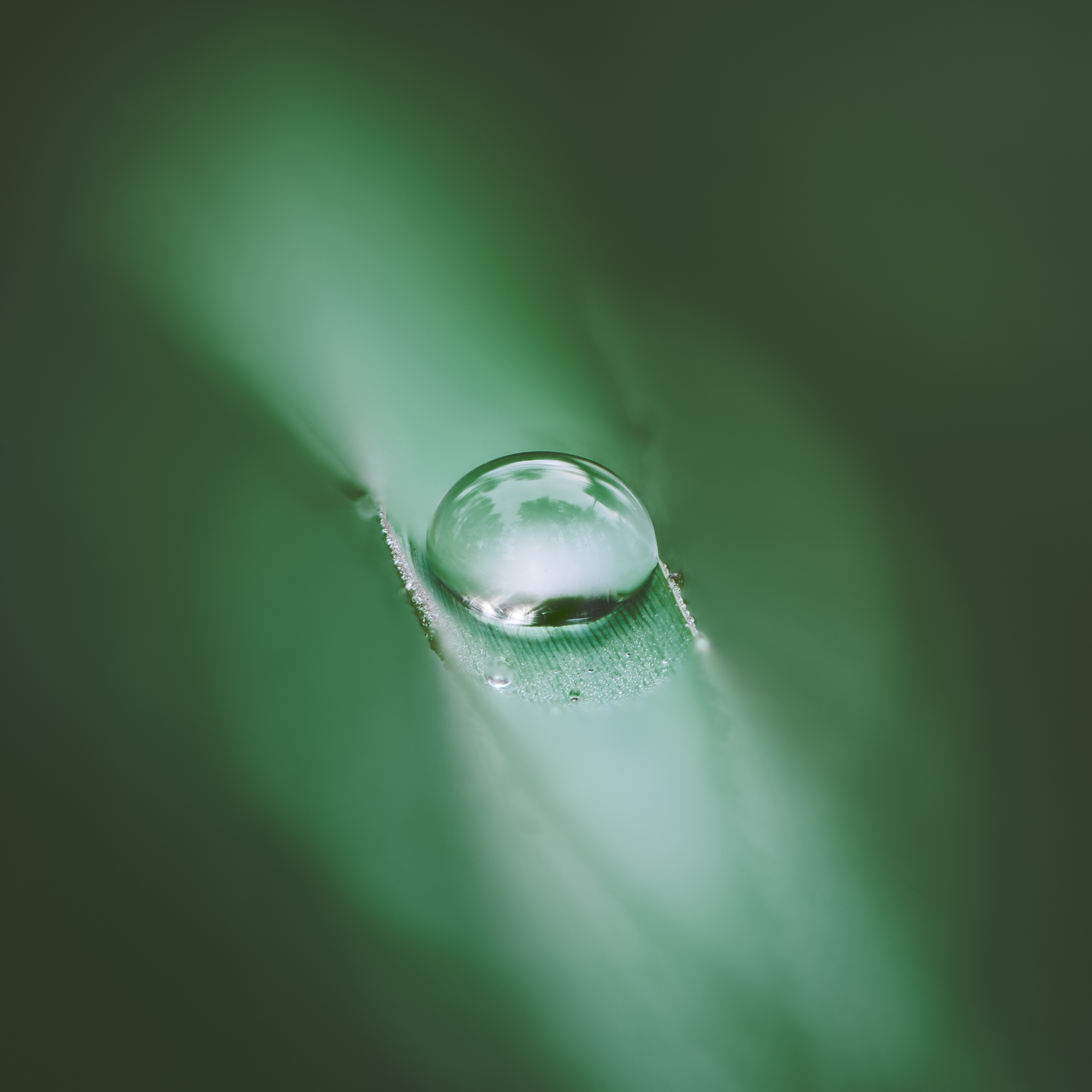
A singular dewdrop, found while wandering Maplewood Flats this morning.
Thanks! Glad you liked it (and I didn’t even see your pre-edit, but for clarity, this was taken at Barnet Marine Park in Burnaby, BC).