o.o I had completely forgotten this.
Next you're going to tell me that strlcpy() is not real. I will not believe you. I will choose not to believe you.
o.o I had completely forgotten this.
Next you're going to tell me that strlcpy() is not real. I will not believe you. I will choose not to believe you.
Unit pedant here: Just 166W. Watts are joules per second (they already have time in them, adding another unit of time confuses things).
This might seem silly, but it will help avoid confusion when you encounter Wh (watts * hours).
I am using this one. Texting or messaging my phone (on anything that makes a notification popup) with the text "fmd password location" gives me GPS coords. More than enough for me, and works even from a borrowed stranger's phone.
Setup steps require ADB though, because in the phone ecosystem getting "unusual" permissions usually requires business deals with Google/Apple.
😭 If greed were a religion, then I guess that's their version of sainthood. First-to-market sainthood.
For extra joy #define ellen(A) ln(A)
Would so love him to be on my local currency.
requiring a not insignificant fee to write the exam
What does this mean?
My head hurts. If I take panadol then is it still a rot sesh? EDIT: Took panadol, can confirm still rotting, just a bit better though.
As of this month, applicants now face a record application fee of $11,710 — up $2,345 from the previous charge
That's 5x what it was. Hmm, that's odd. EDIT: Nope, see brisk's reply.
In an interview with SBS Nepali, Home Affairs Minister Tony Burke said he did not accept the way the visa fee increase has been characterised, arguing visa fees needed to be considered alongside other costs involved in moving overseas.
"Just remember with the costs as well, anybody who's travelling overseas for an extended period of time has already decided that they've got the cost of an airfare and, you know, the visa fees are, are well below that," he said.
WTF?
Has this guy ever booked his own flights? Brownwyn Bishop's helicopter rides were cheaper than that.
Maybe he's imagining moving a whole house of furniture and appliances overseas too? Does he imagine that's how people do this?
Headline is misleading, this does not slash the costs of panels people actually buy. Perovskite cells are cool, but mostly contain lead.
As long as it's not gambling or a scam. (Points are most "tech" companies and their products)
Maybe blushing ////// between two eyes >< ?
(This is a totally normal conversation to have around a good girl)
Source: https://lcsc.com/product-detail/Vibration-Motors_Lian-Xin-Technology-XDMD-YB200-08_C47118014.html
Applying current changes the vertical position. You would glue a lens onto this and place it above your camera sensor.
Machine-translated page from the datasheet:


I can't begin to fathom how stupid this is.

My mum rang them up and asked to change to it.
My mum quoted the exact prices (73.15c/day and 29.70c/kwh) as well as the plan code (SUM874100MRE2). They replied by saying those prices will change on July 1st and quoted us back some numbers a few percent higher than those two. Mum said yes.
Sumo emailed us the following "Offer Summary":

Wat. That's a completely different plan.
We're left feeling dazed, scammed and confused. I've just looked through my mum's emails from the old electricity provider (dodo) and they notified us about the smart meter change, but no mentions have been made about tariff changes. I double checked and our last bill from them was single tariff.
Q1: Who do we complain to about the bait and switch? AER?
Q2: Who actually changes the tariff? The old supplier (silently), the new supplier (silently), the grid operator (ausgrid), someone else?
Q3: How do we work out what tariff we're going to be on? Can I lookup the meter number and find out, or just have to wait for the old supplier to re-enable our account (we can't login today) to find out?
Q4: Do we get to choose what tariff we're on?
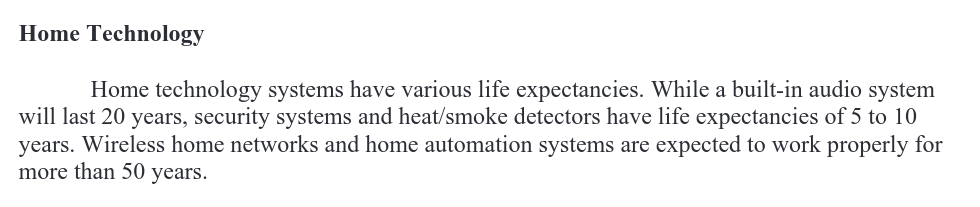
I was reading up on the life expectancy of different building materials when I came across this gem.
Screenshot is of page 122 https://www.portseattle.org/sites/default/files/2025-02/SEA-SIPP%20Technical%20Report%20Appendix%20C%20Life%20Expectancy%20of%20Building%20Materials.pdf
I guess the ethernet cables could last that long, but they rate house wiring to a lower lifetime. Ethernet cables are not "wireless", however.
The only other wireless systems I can think of are garage door openers, but they are definitely not expected to last 50 years.
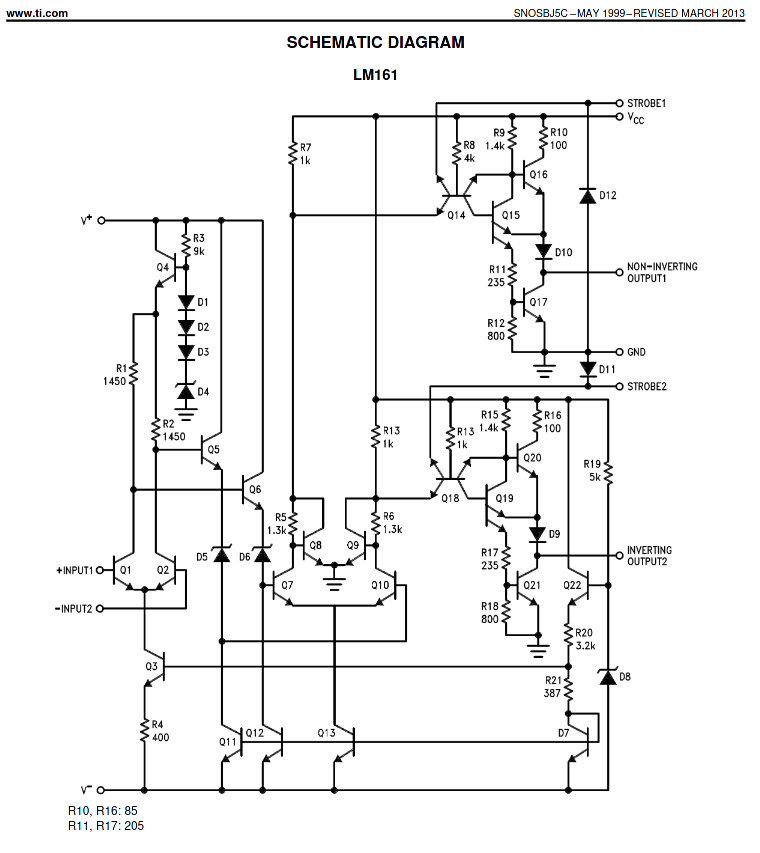
You can do all sorts of nifty things when you're designing silicon. Including this abomination.
https://en.wikipedia.org/wiki/Carcinisation
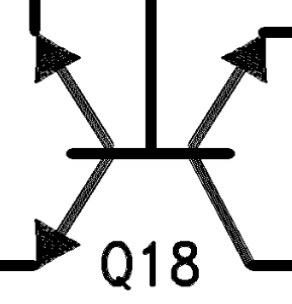
Source: datasheet for LM161, a high speed (20ns delay) moderately high voltage (30V) comparator. I'm going to try and make a discrete version of some bits of it and see how well it works. Maybe not this triple-emitter NPN though, I draw the line at components that require livestock sacrifices.
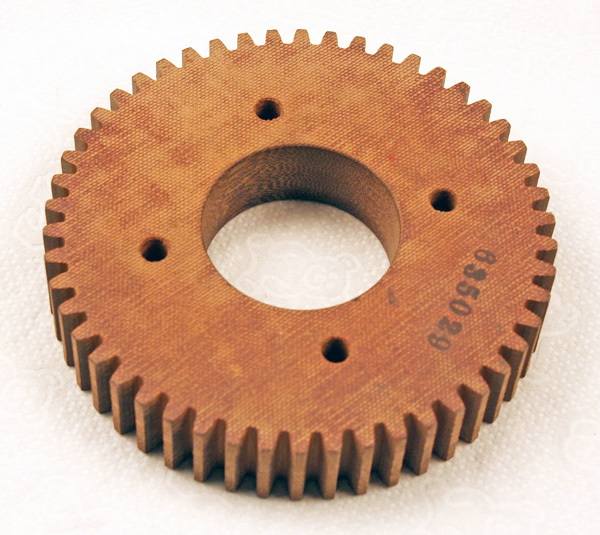
FR2 is the brownish material that many cheap circuit boards are made of. It's a mixture of phenolic resin and paper. Apparently it's quite useful to make gears out of:
Phenolic Gears exhibits superior shear force, help reduce machinery noise, absorbs destructive vibration unlike metal gears, phenolic is non-conductive, protects the mating metal gear train, and are known to outlast metal gears under severe continuous service. (source: https://www.knowbirs.com/phenolic-gears )
Has anyone seen these used anywhere? I've read a hint regarding pool equipment, but I have never seen them there. I assume the fibres allow them to last longer than plastic/resin only gears.
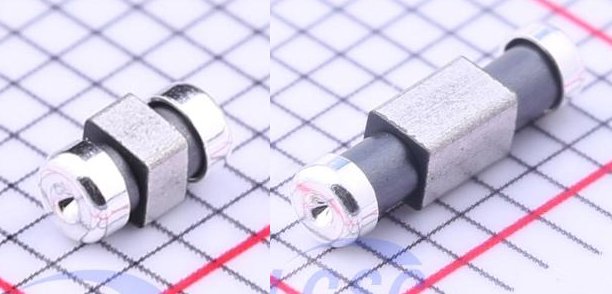
Two different sizes shown. Each has two inductors (grey bits) stuck to a capacitor (middle) with some metal end caps acting as terminals. There is a third terminal underneath the capacitor. Grid in background is 1mm, pics stolen from LCSC.
I think this taped picture is also really cool (stolen from here):
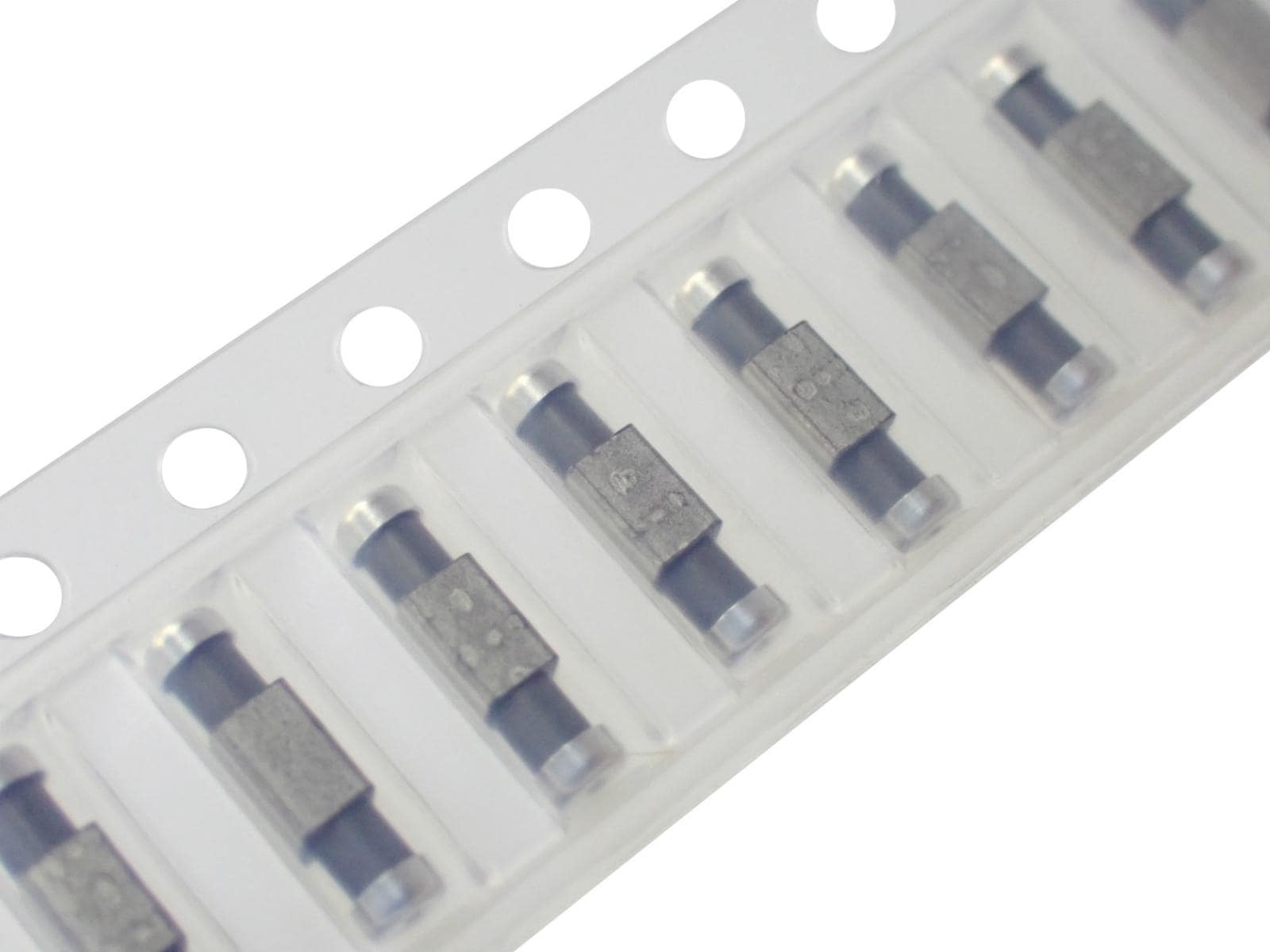
Datasheet: https://www.murata.com/en-global/products/productdata/8796766699550/ENFE0002.pdf
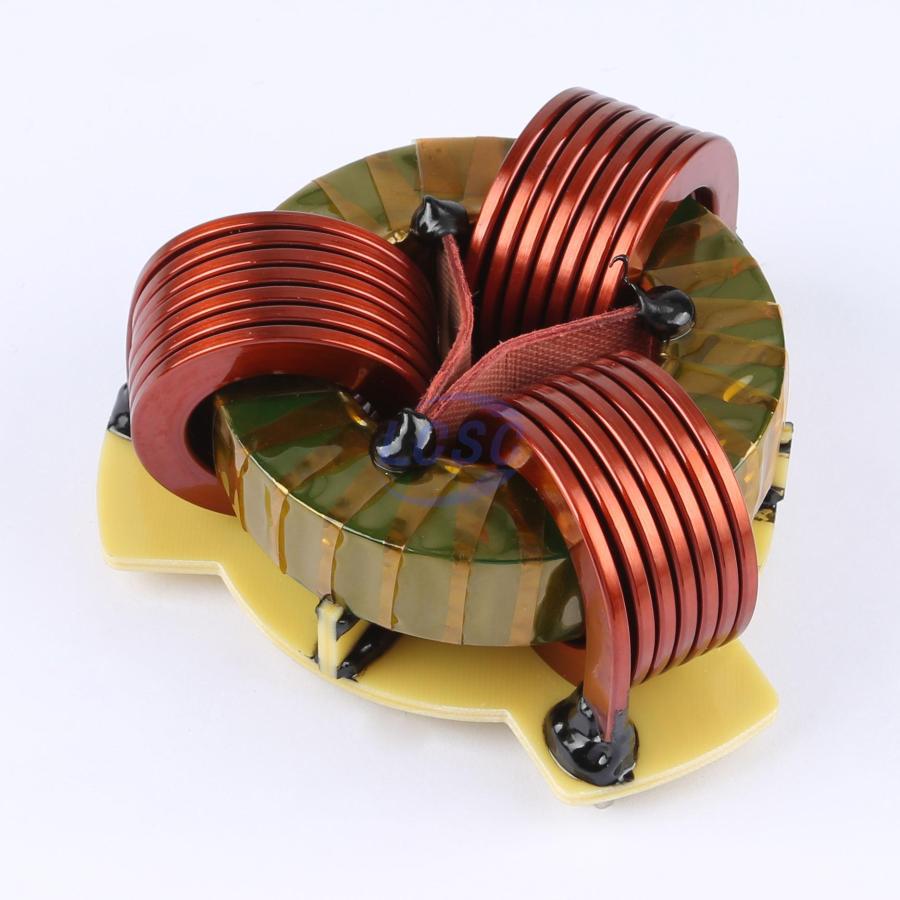
The thickness of the board beneath it gives deceptive scale. It's about 50mm tall and the toroid is 85mm in diameter.
https://www.lcsc.com/datasheet/lcsc_datasheet_2408061709_Ruishen-RSCM11548-5mH-3P_C37634003.pdf
I was looking for much smaller CMCs. Also the datasheet for this part doesn't have impedance-versus-frequency graphs so I refuse to buy it anyway :P