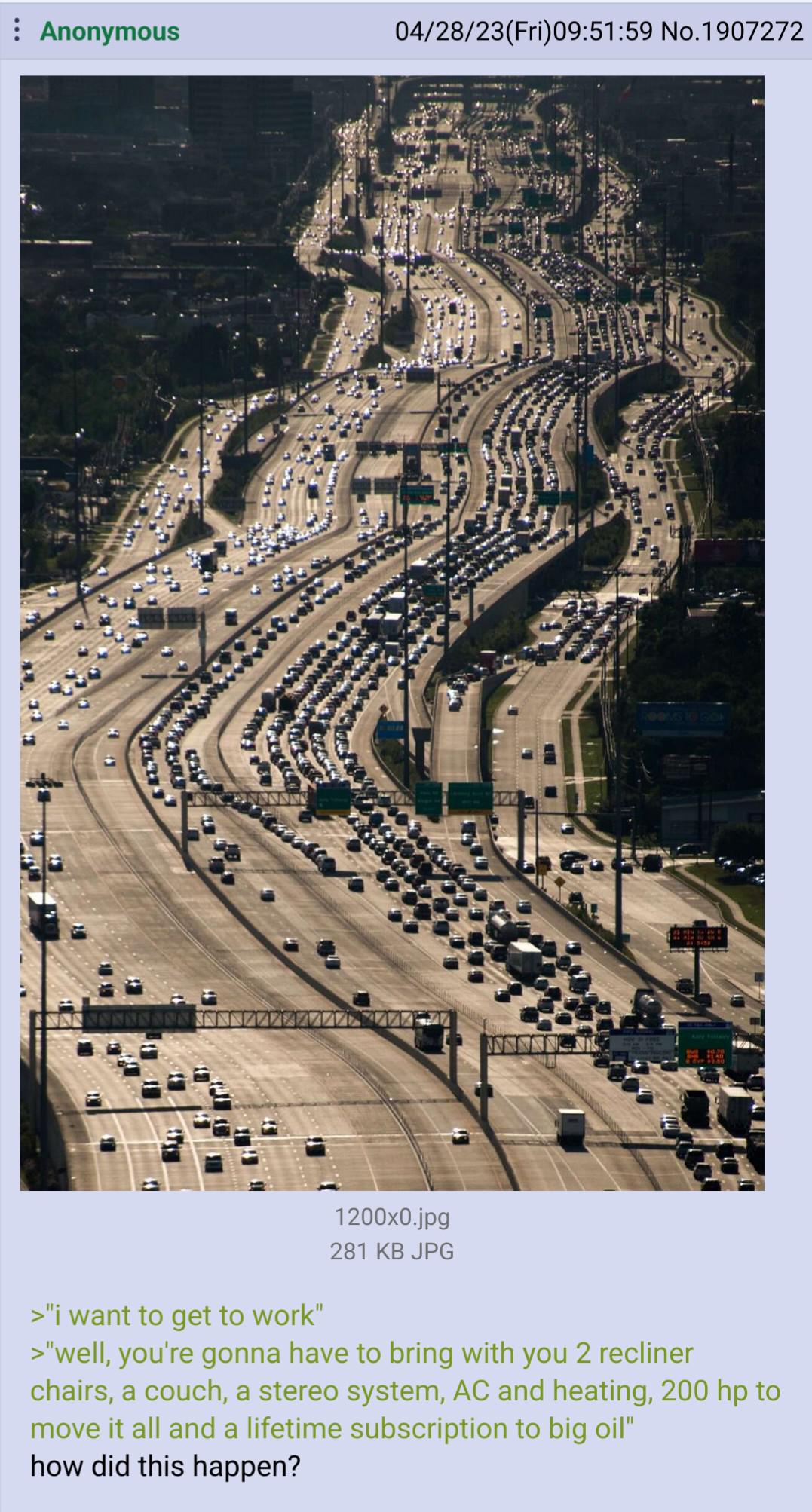
I have my doubts that military considerations were anything but a ruse to help sell the nation on the cost. That claim feels a lot like an utban legend, with embellishments like the design accommodating aircraft landings. The contemporary source material from the people supporting it cited the economic benefits mostly. As well, the military voiced support for the system, but the Secretary of Defense was Charles Erwin Wilson. He had been CEO of General Motors before taking office. At his confirmation hearing, he could see no conflict of interest. It was there that he uttered that famous quote, "What's good for General Motors is good for America."
The capitalist automotive companies had captured the military industrial complex, so I think maybe there's a slight possibilty that the latter's support for something that benefitted the former so immensely may not have been wholly genuine.