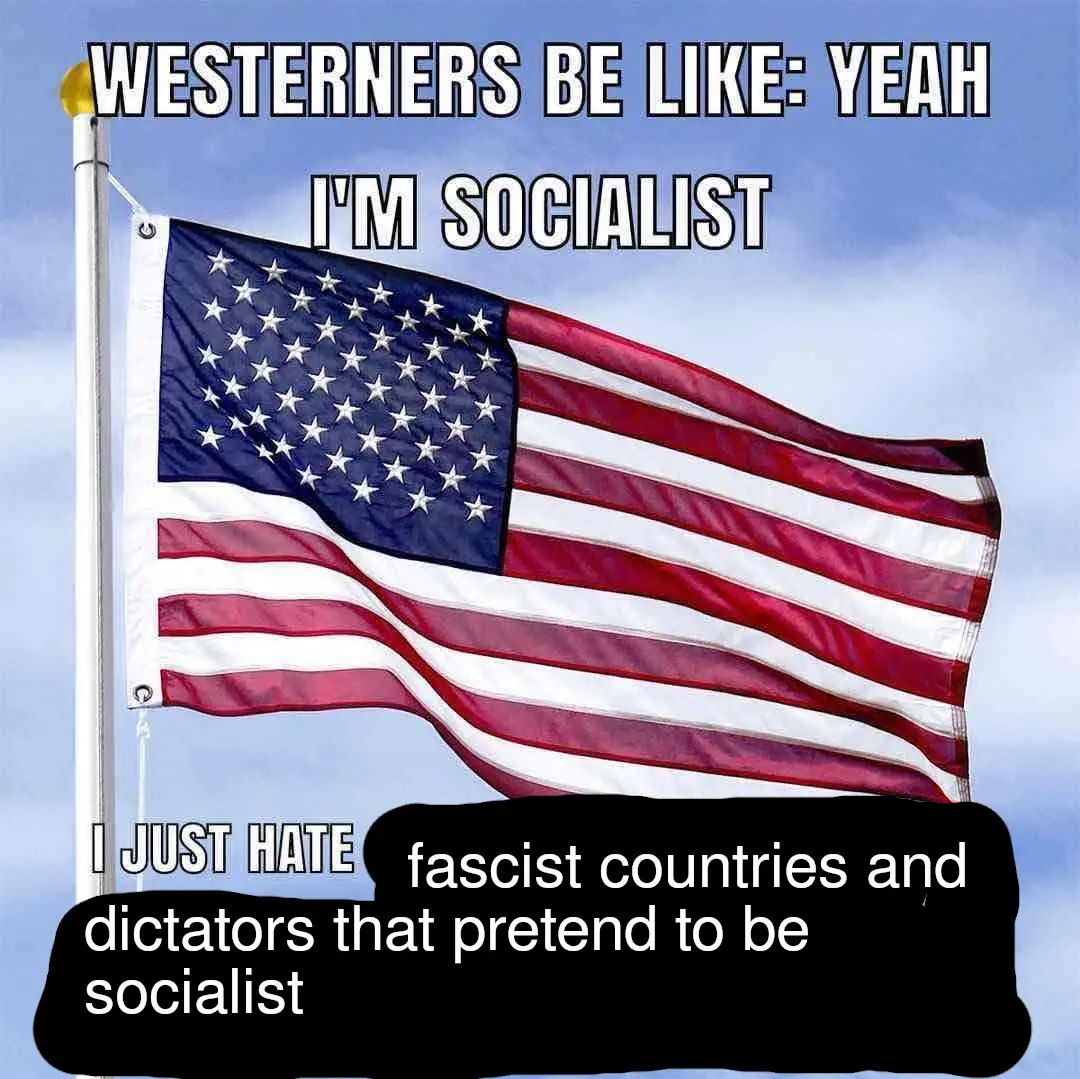
▲ 831 ▼ fixed cyberghost's "meme" (thelemmy.club) submitted 2 years ago by Vuraniute@thelemmy.club to c/memes@lemmy.ml 942 comments fedilink hide all child comments
[–] JohnDClay@sh.itjust.works 15 points 2 years ago (2 children) Warning: this is a hexbear user permalink fedilink source parent hideshow 4 child comments replies: [–] axont@hexbear.net 52 points 2 years ago Warning: 🚨 ⚠️ Hexbearian detected! Everyone, into the posting bunkers! permalink fedilink source parent [–] BurgerPunk@hexbear.net 36 points 2 years ago (2 children) But is warning morally justified? permalink fedilink source parent hideshow 4 child comments replies: [–] JohnDClay@sh.itjust.works 7 points 2 years ago (1 child) Yes permalink fedilink source parent hideshow 2 child comments replies: [–] BurgerPunk@hexbear.net 29 points 2 years ago (1 child) What is your moral justification for posting? permalink fedilink source parent hideshow 2 child comments replies: [–] JohnDClay@sh.itjust.works 4 points 2 years ago (2 children) That it's fun to do and informative to others. It might be fun for them too. The reason I was asking morality yesterday was because that was the main question of the post. America bad and Russia bad are moral questions, so I was asking them as such. permalink fedilink source parent hideshow 4 child comments replies: [–] somename@hexbear.net 24 points 2 years ago (1 child) I will admit that I am having fun posting. permalink fedilink source parent hideshow 2 child comments replies: [–] BurgerPunk@hexbear.net 14 points 2 years ago (1 child) But is your fun the morally justifiable kind? I'm trying to get to the bottom of this in a truely high-level idea discussion with the morality understander permalink fedilink source parent hideshow 2 child comments replies: [–] somename@hexbear.net 17 points 2 years ago (1 child) As a Hexbear poster, I have abandoned my morality and kneel at the altar of the Russo-Sino Satanist. permalink fedilink source parent hideshow 2 child comments replies: [–] BurgerPunk@hexbear.net 15 points 2 years ago* this is the way comrade permalink fedilink source parent [–] BurgerPunk@hexbear.net 20 points 2 years ago (1 child) Is fun moral? permalink fedilink source parent hideshow 2 child comments replies: [–] JohnDClay@sh.itjust.works 4 points 2 years ago (1 child) Not always but in this case permalink fedilink source parent hideshow 2 child comments replies: [–] BurgerPunk@hexbear.net 15 points 2 years ago (1 child) What makes it morally justifiable in this case but not others? permalink fedilink source parent hideshow 2 child comments replies: [–] JohnDClay@sh.itjust.works 3 points 2 years ago (1 child) That it is benefiting those involved instead of being to their determent. permalink fedilink source parent hideshow 2 child comments replies: [–] BurgerPunk@hexbear.net 14 points 2 years ago (1 child) Is benefiting others morally justifiable? permalink fedilink source parent hideshow 2 child comments replies: [–] JohnDClay@sh.itjust.works 4 points 2 years ago (1 child) Yes permalink fedilink source parent hideshow 2 child comments replies: [–] BurgerPunk@hexbear.net 15 points 2 years ago (1 child) What is the moral justification for your answer? permalink fedilink source parent hideshow 2 child comments replies: [–] JohnDClay@sh.itjust.works 4 points 2 years ago (1 child) It's actually axiomatic. I can't really prove or justify why one should be good or bad, or why they should be good or bad to one another. But that good is good and to be strived for is the staring point of the philosophy. permalink fedilink source parent hideshow 2 child comments replies: [–] BurgerPunk@hexbear.net 15 points 2 years ago (1 child) This is an appeal to the one true scotsman fallacy permalink fedilink source parent hideshow 2 child comments replies: [–] JohnDClay@sh.itjust.works 3 points 2 years ago (1 child) Look up axioms. You'll see they are the staring points of logical arguments. permalink fedilink source parent hideshow 2 child comments replies: [–] BurgerPunk@hexbear.net 11 points 2 years ago (1 child) Why do you get to define axioms to exclude my definition? permalink fedilink source parent hideshow 2 child comments replies: [–] JohnDClay@sh.itjust.works 2 points 2 years ago (1 child) I don't define axioms. It is the general definition commonly used, as recorded (but not decided) by the dictionary. Do you in fact have a different definition? permalink fedilink source parent hideshow 2 child comments replies: [–] BurgerPunk@hexbear.net 11 points 2 years ago (1 child) Words have the meaning we give them, not always just the original meaning permalink fedilink source parent hideshow 2 child comments replies: [–] JohnDClay@sh.itjust.works 2 points 2 years ago (1 child) Exactly. And the general meaning is the one I just gave. permalink fedilink source parent hideshow 2 child comments replies: [–] BurgerPunk@hexbear.net 12 points 2 years ago* (1 child) But general definition is not stable it changes. You're just saying this in a way to negate my definition. Why do you get to define it? permalink fedilink source parent hideshow 2 child comments replies: [–] JohnDClay@sh.itjust.works 0 points 2 years ago (1 child) The majority/community defines it has hasn't changed it yet. permalink fedilink source parent hideshow 2 child comments replies: [–] BurgerPunk@hexbear.net 10 points 2 years ago (1 child) So you're trying to say words have actual meanings? permalink fedilink source parent hideshow 2 child comments replies: [–] JohnDClay@sh.itjust.works 1 point 2 years ago (1 child) They have the actual meaning that the majority or community gives them. But that isn't necessarily static. But you've shown no evidence that it's changed in this case. That's what I've always been saying. permalink fedilink source parent hideshow 2 child comments replies: [–] BurgerPunk@hexbear.net 8 points 2 years ago (1 child) So words have settled meanings when you say they do? permalink fedilink source parent hideshow 2 child comments replies: [–] JohnDClay@sh.itjust.works 1 point 2 years ago (1 child) What do you mean settled? Do words meaning change? Absolutely. Quick examples from Google are awesome, egregious, awful, terrific, smeart->smart, nice, wicked, presently, etc permalink fedilink source parent hideshow 2 child comments replies: [–] BurgerPunk@hexbear.net 9 points 2 years ago (1 child) I mean you feel confindent saying that a word has a meaning that is agreed upon permalink fedilink source parent hideshow 2 child comments replies: [–] JohnDClay@sh.itjust.works 1 point 2 years ago (1 child) Yes? Sometimes multiple in the case of homophones. permalink fedilink source parent hideshow 2 child comments replies: [–] BurgerPunk@hexbear.net 9 points 2 years ago* So if someone told you that you were using a word or words incorrectly, because the agreed upon usage of that term was decided, you would accept it and wouldn't pedantically argue that point instead? permalink fedilink source parent [–] BigNote@lemm.ee 0 points 2 years ago (1 child) Yes, because engaging with hexbears is a waste of time. They are not here in good faith. Either that or they don't know any better, which in practice amounts to the same thing. permalink fedilink source parent hideshow 2 child comments replies: [–] BurgerPunk@hexbear.net 3 points 2 years ago (1 child) My post was an inside joke based on that users previous posts on our instance. Have you engaged with a hexbear in good faith? permalink fedilink source parent hideshow 2 child comments replies: [–] BigNote@lemm.ee 0 points 2 years ago (1 child) That's a fair question and in all honesty the answer is no, because based on what I can easily see and understand of hexbears, they aren't intellectually serious people and to the contrary are more akin to a kind of 4-chan trolling community than anything worth actual intellectual engagement. I could be wrong, but so far I have yet to see any evidence as such. permalink fedilink source parent hideshow 2 child comments replies: [–] BurgerPunk@hexbear.net 2 points 2 years ago (1 child) So you wouldn't engage with any of us in good faith, because you've decided that we aren't capable of that permalink fedilink source parent hideshow 2 child comments replies: [–] BigNote@lemm.ee 1 point 2 years ago (1 child) Yes. That's correct. I choose not to waste my time. What do you do when dealing with bad-faith actors? permalink fedilink source parent hideshow 2 child comments replies: [–] BurgerPunk@hexbear.net 0 points 2 years ago I just think it's strange to think that people you've never engaged in good faith aren't capable of it. permalink fedilink source parent
[–] axont@hexbear.net 52 points 2 years ago Warning: 🚨 ⚠️ Hexbearian detected! Everyone, into the posting bunkers! permalink fedilink source parent
[–] BurgerPunk@hexbear.net 36 points 2 years ago (2 children) But is warning morally justified? permalink fedilink source parent hideshow 4 child comments replies: [–] JohnDClay@sh.itjust.works 7 points 2 years ago (1 child) Yes permalink fedilink source parent hideshow 2 child comments replies: [–] BurgerPunk@hexbear.net 29 points 2 years ago (1 child) What is your moral justification for posting? permalink fedilink source parent hideshow 2 child comments replies: [–] JohnDClay@sh.itjust.works 4 points 2 years ago (2 children) That it's fun to do and informative to others. It might be fun for them too. The reason I was asking morality yesterday was because that was the main question of the post. America bad and Russia bad are moral questions, so I was asking them as such. permalink fedilink source parent hideshow 4 child comments replies: [–] somename@hexbear.net 24 points 2 years ago (1 child) I will admit that I am having fun posting. permalink fedilink source parent hideshow 2 child comments replies: [–] BurgerPunk@hexbear.net 14 points 2 years ago (1 child) But is your fun the morally justifiable kind? I'm trying to get to the bottom of this in a truely high-level idea discussion with the morality understander permalink fedilink source parent hideshow 2 child comments replies: [–] somename@hexbear.net 17 points 2 years ago (1 child) As a Hexbear poster, I have abandoned my morality and kneel at the altar of the Russo-Sino Satanist. permalink fedilink source parent hideshow 2 child comments replies: [–] BurgerPunk@hexbear.net 15 points 2 years ago* this is the way comrade permalink fedilink source parent [–] BurgerPunk@hexbear.net 20 points 2 years ago (1 child) Is fun moral? permalink fedilink source parent hideshow 2 child comments replies: [–] JohnDClay@sh.itjust.works 4 points 2 years ago (1 child) Not always but in this case permalink fedilink source parent hideshow 2 child comments replies: [–] BurgerPunk@hexbear.net 15 points 2 years ago (1 child) What makes it morally justifiable in this case but not others? permalink fedilink source parent hideshow 2 child comments replies: [–] JohnDClay@sh.itjust.works 3 points 2 years ago (1 child) That it is benefiting those involved instead of being to their determent. permalink fedilink source parent hideshow 2 child comments replies: [–] BurgerPunk@hexbear.net 14 points 2 years ago (1 child) Is benefiting others morally justifiable? permalink fedilink source parent hideshow 2 child comments replies: [–] JohnDClay@sh.itjust.works 4 points 2 years ago (1 child) Yes permalink fedilink source parent hideshow 2 child comments replies: [–] BurgerPunk@hexbear.net 15 points 2 years ago (1 child) What is the moral justification for your answer? permalink fedilink source parent hideshow 2 child comments replies: [–] JohnDClay@sh.itjust.works 4 points 2 years ago (1 child) It's actually axiomatic. I can't really prove or justify why one should be good or bad, or why they should be good or bad to one another. But that good is good and to be strived for is the staring point of the philosophy. permalink fedilink source parent hideshow 2 child comments replies: [–] BurgerPunk@hexbear.net 15 points 2 years ago (1 child) This is an appeal to the one true scotsman fallacy permalink fedilink source parent hideshow 2 child comments replies: [–] JohnDClay@sh.itjust.works 3 points 2 years ago (1 child) Look up axioms. You'll see they are the staring points of logical arguments. permalink fedilink source parent hideshow 2 child comments replies: [–] BurgerPunk@hexbear.net 11 points 2 years ago (1 child) Why do you get to define axioms to exclude my definition? permalink fedilink source parent hideshow 2 child comments replies: [–] JohnDClay@sh.itjust.works 2 points 2 years ago (1 child) I don't define axioms. It is the general definition commonly used, as recorded (but not decided) by the dictionary. Do you in fact have a different definition? permalink fedilink source parent hideshow 2 child comments replies: [–] BurgerPunk@hexbear.net 11 points 2 years ago (1 child) Words have the meaning we give them, not always just the original meaning permalink fedilink source parent hideshow 2 child comments replies: [–] JohnDClay@sh.itjust.works 2 points 2 years ago (1 child) Exactly. And the general meaning is the one I just gave. permalink fedilink source parent hideshow 2 child comments replies: [–] BurgerPunk@hexbear.net 12 points 2 years ago* (1 child) But general definition is not stable it changes. You're just saying this in a way to negate my definition. Why do you get to define it? permalink fedilink source parent hideshow 2 child comments replies: [–] JohnDClay@sh.itjust.works 0 points 2 years ago (1 child) The majority/community defines it has hasn't changed it yet. permalink fedilink source parent hideshow 2 child comments replies: [–] BurgerPunk@hexbear.net 10 points 2 years ago (1 child) So you're trying to say words have actual meanings? permalink fedilink source parent hideshow 2 child comments replies: [–] JohnDClay@sh.itjust.works 1 point 2 years ago (1 child) They have the actual meaning that the majority or community gives them. But that isn't necessarily static. But you've shown no evidence that it's changed in this case. That's what I've always been saying. permalink fedilink source parent hideshow 2 child comments replies: [–] BurgerPunk@hexbear.net 8 points 2 years ago (1 child) So words have settled meanings when you say they do? permalink fedilink source parent hideshow 2 child comments replies: [–] JohnDClay@sh.itjust.works 1 point 2 years ago (1 child) What do you mean settled? Do words meaning change? Absolutely. Quick examples from Google are awesome, egregious, awful, terrific, smeart->smart, nice, wicked, presently, etc permalink fedilink source parent hideshow 2 child comments replies: [–] BurgerPunk@hexbear.net 9 points 2 years ago (1 child) I mean you feel confindent saying that a word has a meaning that is agreed upon permalink fedilink source parent hideshow 2 child comments replies: [–] JohnDClay@sh.itjust.works 1 point 2 years ago (1 child) Yes? Sometimes multiple in the case of homophones. permalink fedilink source parent hideshow 2 child comments replies: [–] BurgerPunk@hexbear.net 9 points 2 years ago* So if someone told you that you were using a word or words incorrectly, because the agreed upon usage of that term was decided, you would accept it and wouldn't pedantically argue that point instead? permalink fedilink source parent [–] BigNote@lemm.ee 0 points 2 years ago (1 child) Yes, because engaging with hexbears is a waste of time. They are not here in good faith. Either that or they don't know any better, which in practice amounts to the same thing. permalink fedilink source parent hideshow 2 child comments replies: [–] BurgerPunk@hexbear.net 3 points 2 years ago (1 child) My post was an inside joke based on that users previous posts on our instance. Have you engaged with a hexbear in good faith? permalink fedilink source parent hideshow 2 child comments replies: [–] BigNote@lemm.ee 0 points 2 years ago (1 child) That's a fair question and in all honesty the answer is no, because based on what I can easily see and understand of hexbears, they aren't intellectually serious people and to the contrary are more akin to a kind of 4-chan trolling community than anything worth actual intellectual engagement. I could be wrong, but so far I have yet to see any evidence as such. permalink fedilink source parent hideshow 2 child comments replies: [–] BurgerPunk@hexbear.net 2 points 2 years ago (1 child) So you wouldn't engage with any of us in good faith, because you've decided that we aren't capable of that permalink fedilink source parent hideshow 2 child comments replies: [–] BigNote@lemm.ee 1 point 2 years ago (1 child) Yes. That's correct. I choose not to waste my time. What do you do when dealing with bad-faith actors? permalink fedilink source parent hideshow 2 child comments replies: [–] BurgerPunk@hexbear.net 0 points 2 years ago I just think it's strange to think that people you've never engaged in good faith aren't capable of it. permalink fedilink source parent
[–] JohnDClay@sh.itjust.works 7 points 2 years ago (1 child) Yes permalink fedilink source parent hideshow 2 child comments replies: [–] BurgerPunk@hexbear.net 29 points 2 years ago (1 child) What is your moral justification for posting? permalink fedilink source parent hideshow 2 child comments replies: [–] JohnDClay@sh.itjust.works 4 points 2 years ago (2 children) That it's fun to do and informative to others. It might be fun for them too. The reason I was asking morality yesterday was because that was the main question of the post. America bad and Russia bad are moral questions, so I was asking them as such. permalink fedilink source parent hideshow 4 child comments replies: [–] somename@hexbear.net 24 points 2 years ago (1 child) I will admit that I am having fun posting. permalink fedilink source parent hideshow 2 child comments replies: [–] BurgerPunk@hexbear.net 14 points 2 years ago (1 child) But is your fun the morally justifiable kind? I'm trying to get to the bottom of this in a truely high-level idea discussion with the morality understander permalink fedilink source parent hideshow 2 child comments replies: [–] somename@hexbear.net 17 points 2 years ago (1 child) As a Hexbear poster, I have abandoned my morality and kneel at the altar of the Russo-Sino Satanist. permalink fedilink source parent hideshow 2 child comments replies: [–] BurgerPunk@hexbear.net 15 points 2 years ago* this is the way comrade permalink fedilink source parent [–] BurgerPunk@hexbear.net 20 points 2 years ago (1 child) Is fun moral? permalink fedilink source parent hideshow 2 child comments replies: [–] JohnDClay@sh.itjust.works 4 points 2 years ago (1 child) Not always but in this case permalink fedilink source parent hideshow 2 child comments replies: [–] BurgerPunk@hexbear.net 15 points 2 years ago (1 child) What makes it morally justifiable in this case but not others? permalink fedilink source parent hideshow 2 child comments replies: [–] JohnDClay@sh.itjust.works 3 points 2 years ago (1 child) That it is benefiting those involved instead of being to their determent. permalink fedilink source parent hideshow 2 child comments replies: [–] BurgerPunk@hexbear.net 14 points 2 years ago (1 child) Is benefiting others morally justifiable? permalink fedilink source parent hideshow 2 child comments replies: [–] JohnDClay@sh.itjust.works 4 points 2 years ago (1 child) Yes permalink fedilink source parent hideshow 2 child comments replies: [–] BurgerPunk@hexbear.net 15 points 2 years ago (1 child) What is the moral justification for your answer? permalink fedilink source parent hideshow 2 child comments replies: [–] JohnDClay@sh.itjust.works 4 points 2 years ago (1 child) It's actually axiomatic. I can't really prove or justify why one should be good or bad, or why they should be good or bad to one another. But that good is good and to be strived for is the staring point of the philosophy. permalink fedilink source parent hideshow 2 child comments replies: [–] BurgerPunk@hexbear.net 15 points 2 years ago (1 child) This is an appeal to the one true scotsman fallacy permalink fedilink source parent hideshow 2 child comments replies: [–] JohnDClay@sh.itjust.works 3 points 2 years ago (1 child) Look up axioms. You'll see they are the staring points of logical arguments. permalink fedilink source parent hideshow 2 child comments replies: [–] BurgerPunk@hexbear.net 11 points 2 years ago (1 child) Why do you get to define axioms to exclude my definition? permalink fedilink source parent hideshow 2 child comments replies: [–] JohnDClay@sh.itjust.works 2 points 2 years ago (1 child) I don't define axioms. It is the general definition commonly used, as recorded (but not decided) by the dictionary. Do you in fact have a different definition? permalink fedilink source parent hideshow 2 child comments replies: [–] BurgerPunk@hexbear.net 11 points 2 years ago (1 child) Words have the meaning we give them, not always just the original meaning permalink fedilink source parent hideshow 2 child comments replies: [–] JohnDClay@sh.itjust.works 2 points 2 years ago (1 child) Exactly. And the general meaning is the one I just gave. permalink fedilink source parent hideshow 2 child comments replies: [–] BurgerPunk@hexbear.net 12 points 2 years ago* (1 child) But general definition is not stable it changes. You're just saying this in a way to negate my definition. Why do you get to define it? permalink fedilink source parent hideshow 2 child comments replies: [–] JohnDClay@sh.itjust.works 0 points 2 years ago (1 child) The majority/community defines it has hasn't changed it yet. permalink fedilink source parent hideshow 2 child comments replies: [–] BurgerPunk@hexbear.net 10 points 2 years ago (1 child) So you're trying to say words have actual meanings? permalink fedilink source parent hideshow 2 child comments replies: [–] JohnDClay@sh.itjust.works 1 point 2 years ago (1 child) They have the actual meaning that the majority or community gives them. But that isn't necessarily static. But you've shown no evidence that it's changed in this case. That's what I've always been saying. permalink fedilink source parent hideshow 2 child comments replies: [–] BurgerPunk@hexbear.net 8 points 2 years ago (1 child) So words have settled meanings when you say they do? permalink fedilink source parent hideshow 2 child comments replies: [–] JohnDClay@sh.itjust.works 1 point 2 years ago (1 child) What do you mean settled? Do words meaning change? Absolutely. Quick examples from Google are awesome, egregious, awful, terrific, smeart->smart, nice, wicked, presently, etc permalink fedilink source parent hideshow 2 child comments replies: [–] BurgerPunk@hexbear.net 9 points 2 years ago (1 child) I mean you feel confindent saying that a word has a meaning that is agreed upon permalink fedilink source parent hideshow 2 child comments replies: [–] JohnDClay@sh.itjust.works 1 point 2 years ago (1 child) Yes? Sometimes multiple in the case of homophones. permalink fedilink source parent hideshow 2 child comments replies: [–] BurgerPunk@hexbear.net 9 points 2 years ago* So if someone told you that you were using a word or words incorrectly, because the agreed upon usage of that term was decided, you would accept it and wouldn't pedantically argue that point instead? permalink fedilink source parent
[–] BurgerPunk@hexbear.net 29 points 2 years ago (1 child) What is your moral justification for posting? permalink fedilink source parent hideshow 2 child comments replies: [–] JohnDClay@sh.itjust.works 4 points 2 years ago (2 children) That it's fun to do and informative to others. It might be fun for them too. The reason I was asking morality yesterday was because that was the main question of the post. America bad and Russia bad are moral questions, so I was asking them as such. permalink fedilink source parent hideshow 4 child comments replies: [–] somename@hexbear.net 24 points 2 years ago (1 child) I will admit that I am having fun posting. permalink fedilink source parent hideshow 2 child comments replies: [–] BurgerPunk@hexbear.net 14 points 2 years ago (1 child) But is your fun the morally justifiable kind? I'm trying to get to the bottom of this in a truely high-level idea discussion with the morality understander permalink fedilink source parent hideshow 2 child comments replies: [–] somename@hexbear.net 17 points 2 years ago (1 child) As a Hexbear poster, I have abandoned my morality and kneel at the altar of the Russo-Sino Satanist. permalink fedilink source parent hideshow 2 child comments replies: [–] BurgerPunk@hexbear.net 15 points 2 years ago* this is the way comrade permalink fedilink source parent [–] BurgerPunk@hexbear.net 20 points 2 years ago (1 child) Is fun moral? permalink fedilink source parent hideshow 2 child comments replies: [–] JohnDClay@sh.itjust.works 4 points 2 years ago (1 child) Not always but in this case permalink fedilink source parent hideshow 2 child comments replies: [–] BurgerPunk@hexbear.net 15 points 2 years ago (1 child) What makes it morally justifiable in this case but not others? permalink fedilink source parent hideshow 2 child comments replies: [–] JohnDClay@sh.itjust.works 3 points 2 years ago (1 child) That it is benefiting those involved instead of being to their determent. permalink fedilink source parent hideshow 2 child comments replies: [–] BurgerPunk@hexbear.net 14 points 2 years ago (1 child) Is benefiting others morally justifiable? permalink fedilink source parent hideshow 2 child comments replies: [–] JohnDClay@sh.itjust.works 4 points 2 years ago (1 child) Yes permalink fedilink source parent hideshow 2 child comments replies: [–] BurgerPunk@hexbear.net 15 points 2 years ago (1 child) What is the moral justification for your answer? permalink fedilink source parent hideshow 2 child comments replies: [–] JohnDClay@sh.itjust.works 4 points 2 years ago (1 child) It's actually axiomatic. I can't really prove or justify why one should be good or bad, or why they should be good or bad to one another. But that good is good and to be strived for is the staring point of the philosophy. permalink fedilink source parent hideshow 2 child comments replies: [–] BurgerPunk@hexbear.net 15 points 2 years ago (1 child) This is an appeal to the one true scotsman fallacy permalink fedilink source parent hideshow 2 child comments replies: [–] JohnDClay@sh.itjust.works 3 points 2 years ago (1 child) Look up axioms. You'll see they are the staring points of logical arguments. permalink fedilink source parent hideshow 2 child comments replies: [–] BurgerPunk@hexbear.net 11 points 2 years ago (1 child) Why do you get to define axioms to exclude my definition? permalink fedilink source parent hideshow 2 child comments replies: [–] JohnDClay@sh.itjust.works 2 points 2 years ago (1 child) I don't define axioms. It is the general definition commonly used, as recorded (but not decided) by the dictionary. Do you in fact have a different definition? permalink fedilink source parent hideshow 2 child comments replies: [–] BurgerPunk@hexbear.net 11 points 2 years ago (1 child) Words have the meaning we give them, not always just the original meaning permalink fedilink source parent hideshow 2 child comments replies: [–] JohnDClay@sh.itjust.works 2 points 2 years ago (1 child) Exactly. And the general meaning is the one I just gave. permalink fedilink source parent hideshow 2 child comments replies: [–] BurgerPunk@hexbear.net 12 points 2 years ago* (1 child) But general definition is not stable it changes. You're just saying this in a way to negate my definition. Why do you get to define it? permalink fedilink source parent hideshow 2 child comments replies: [–] JohnDClay@sh.itjust.works 0 points 2 years ago (1 child) The majority/community defines it has hasn't changed it yet. permalink fedilink source parent hideshow 2 child comments replies: [–] BurgerPunk@hexbear.net 10 points 2 years ago (1 child) So you're trying to say words have actual meanings? permalink fedilink source parent hideshow 2 child comments replies: [–] JohnDClay@sh.itjust.works 1 point 2 years ago (1 child) They have the actual meaning that the majority or community gives them. But that isn't necessarily static. But you've shown no evidence that it's changed in this case. That's what I've always been saying. permalink fedilink source parent hideshow 2 child comments replies: [–] BurgerPunk@hexbear.net 8 points 2 years ago (1 child) So words have settled meanings when you say they do? permalink fedilink source parent hideshow 2 child comments replies: [–] JohnDClay@sh.itjust.works 1 point 2 years ago (1 child) What do you mean settled? Do words meaning change? Absolutely. Quick examples from Google are awesome, egregious, awful, terrific, smeart->smart, nice, wicked, presently, etc permalink fedilink source parent hideshow 2 child comments replies: [–] BurgerPunk@hexbear.net 9 points 2 years ago (1 child) I mean you feel confindent saying that a word has a meaning that is agreed upon permalink fedilink source parent hideshow 2 child comments replies: [–] JohnDClay@sh.itjust.works 1 point 2 years ago (1 child) Yes? Sometimes multiple in the case of homophones. permalink fedilink source parent hideshow 2 child comments replies: [–] BurgerPunk@hexbear.net 9 points 2 years ago* So if someone told you that you were using a word or words incorrectly, because the agreed upon usage of that term was decided, you would accept it and wouldn't pedantically argue that point instead? permalink fedilink source parent
[–] JohnDClay@sh.itjust.works 4 points 2 years ago (2 children) That it's fun to do and informative to others. It might be fun for them too. The reason I was asking morality yesterday was because that was the main question of the post. America bad and Russia bad are moral questions, so I was asking them as such. permalink fedilink source parent hideshow 4 child comments replies: [–] somename@hexbear.net 24 points 2 years ago (1 child) I will admit that I am having fun posting. permalink fedilink source parent hideshow 2 child comments replies: [–] BurgerPunk@hexbear.net 14 points 2 years ago (1 child) But is your fun the morally justifiable kind? I'm trying to get to the bottom of this in a truely high-level idea discussion with the morality understander permalink fedilink source parent hideshow 2 child comments replies: [–] somename@hexbear.net 17 points 2 years ago (1 child) As a Hexbear poster, I have abandoned my morality and kneel at the altar of the Russo-Sino Satanist. permalink fedilink source parent hideshow 2 child comments replies: [–] BurgerPunk@hexbear.net 15 points 2 years ago* this is the way comrade permalink fedilink source parent [–] BurgerPunk@hexbear.net 20 points 2 years ago (1 child) Is fun moral? permalink fedilink source parent hideshow 2 child comments replies: [–] JohnDClay@sh.itjust.works 4 points 2 years ago (1 child) Not always but in this case permalink fedilink source parent hideshow 2 child comments replies: [–] BurgerPunk@hexbear.net 15 points 2 years ago (1 child) What makes it morally justifiable in this case but not others? permalink fedilink source parent hideshow 2 child comments replies: [–] JohnDClay@sh.itjust.works 3 points 2 years ago (1 child) That it is benefiting those involved instead of being to their determent. permalink fedilink source parent hideshow 2 child comments replies: [–] BurgerPunk@hexbear.net 14 points 2 years ago (1 child) Is benefiting others morally justifiable? permalink fedilink source parent hideshow 2 child comments replies: [–] JohnDClay@sh.itjust.works 4 points 2 years ago (1 child) Yes permalink fedilink source parent hideshow 2 child comments replies: [–] BurgerPunk@hexbear.net 15 points 2 years ago (1 child) What is the moral justification for your answer? permalink fedilink source parent hideshow 2 child comments replies: [–] JohnDClay@sh.itjust.works 4 points 2 years ago (1 child) It's actually axiomatic. I can't really prove or justify why one should be good or bad, or why they should be good or bad to one another. But that good is good and to be strived for is the staring point of the philosophy. permalink fedilink source parent hideshow 2 child comments replies: [–] BurgerPunk@hexbear.net 15 points 2 years ago (1 child) This is an appeal to the one true scotsman fallacy permalink fedilink source parent hideshow 2 child comments replies: [–] JohnDClay@sh.itjust.works 3 points 2 years ago (1 child) Look up axioms. You'll see they are the staring points of logical arguments. permalink fedilink source parent hideshow 2 child comments replies: [–] BurgerPunk@hexbear.net 11 points 2 years ago (1 child) Why do you get to define axioms to exclude my definition? permalink fedilink source parent hideshow 2 child comments replies: [–] JohnDClay@sh.itjust.works 2 points 2 years ago (1 child) I don't define axioms. It is the general definition commonly used, as recorded (but not decided) by the dictionary. Do you in fact have a different definition? permalink fedilink source parent hideshow 2 child comments replies: [–] BurgerPunk@hexbear.net 11 points 2 years ago (1 child) Words have the meaning we give them, not always just the original meaning permalink fedilink source parent hideshow 2 child comments replies: [–] JohnDClay@sh.itjust.works 2 points 2 years ago (1 child) Exactly. And the general meaning is the one I just gave. permalink fedilink source parent hideshow 2 child comments replies: [–] BurgerPunk@hexbear.net 12 points 2 years ago* (1 child) But general definition is not stable it changes. You're just saying this in a way to negate my definition. Why do you get to define it? permalink fedilink source parent hideshow 2 child comments replies: [–] JohnDClay@sh.itjust.works 0 points 2 years ago (1 child) The majority/community defines it has hasn't changed it yet. permalink fedilink source parent hideshow 2 child comments replies: [–] BurgerPunk@hexbear.net 10 points 2 years ago (1 child) So you're trying to say words have actual meanings? permalink fedilink source parent hideshow 2 child comments replies: [–] JohnDClay@sh.itjust.works 1 point 2 years ago (1 child) They have the actual meaning that the majority or community gives them. But that isn't necessarily static. But you've shown no evidence that it's changed in this case. That's what I've always been saying. permalink fedilink source parent hideshow 2 child comments replies: [–] BurgerPunk@hexbear.net 8 points 2 years ago (1 child) So words have settled meanings when you say they do? permalink fedilink source parent hideshow 2 child comments replies: [–] JohnDClay@sh.itjust.works 1 point 2 years ago (1 child) What do you mean settled? Do words meaning change? Absolutely. Quick examples from Google are awesome, egregious, awful, terrific, smeart->smart, nice, wicked, presently, etc permalink fedilink source parent hideshow 2 child comments replies: [–] BurgerPunk@hexbear.net 9 points 2 years ago (1 child) I mean you feel confindent saying that a word has a meaning that is agreed upon permalink fedilink source parent hideshow 2 child comments replies: [–] JohnDClay@sh.itjust.works 1 point 2 years ago (1 child) Yes? Sometimes multiple in the case of homophones. permalink fedilink source parent hideshow 2 child comments replies: [–] BurgerPunk@hexbear.net 9 points 2 years ago* So if someone told you that you were using a word or words incorrectly, because the agreed upon usage of that term was decided, you would accept it and wouldn't pedantically argue that point instead? permalink fedilink source parent
[–] somename@hexbear.net 24 points 2 years ago (1 child) I will admit that I am having fun posting. permalink fedilink source parent hideshow 2 child comments replies: [–] BurgerPunk@hexbear.net 14 points 2 years ago (1 child) But is your fun the morally justifiable kind? I'm trying to get to the bottom of this in a truely high-level idea discussion with the morality understander permalink fedilink source parent hideshow 2 child comments replies: [–] somename@hexbear.net 17 points 2 years ago (1 child) As a Hexbear poster, I have abandoned my morality and kneel at the altar of the Russo-Sino Satanist. permalink fedilink source parent hideshow 2 child comments replies: [–] BurgerPunk@hexbear.net 15 points 2 years ago* this is the way comrade permalink fedilink source parent
[–] BurgerPunk@hexbear.net 14 points 2 years ago (1 child) But is your fun the morally justifiable kind? I'm trying to get to the bottom of this in a truely high-level idea discussion with the morality understander permalink fedilink source parent hideshow 2 child comments replies: [–] somename@hexbear.net 17 points 2 years ago (1 child) As a Hexbear poster, I have abandoned my morality and kneel at the altar of the Russo-Sino Satanist. permalink fedilink source parent hideshow 2 child comments replies: [–] BurgerPunk@hexbear.net 15 points 2 years ago* this is the way comrade permalink fedilink source parent
[–] somename@hexbear.net 17 points 2 years ago (1 child) As a Hexbear poster, I have abandoned my morality and kneel at the altar of the Russo-Sino Satanist. permalink fedilink source parent hideshow 2 child comments replies: [–] BurgerPunk@hexbear.net 15 points 2 years ago* this is the way comrade permalink fedilink source parent
[–] BurgerPunk@hexbear.net 15 points 2 years ago* this is the way comrade permalink fedilink source parent
[–] BurgerPunk@hexbear.net 20 points 2 years ago (1 child) Is fun moral? permalink fedilink source parent hideshow 2 child comments replies: [–] JohnDClay@sh.itjust.works 4 points 2 years ago (1 child) Not always but in this case permalink fedilink source parent hideshow 2 child comments replies: [–] BurgerPunk@hexbear.net 15 points 2 years ago (1 child) What makes it morally justifiable in this case but not others? permalink fedilink source parent hideshow 2 child comments replies: [–] JohnDClay@sh.itjust.works 3 points 2 years ago (1 child) That it is benefiting those involved instead of being to their determent. permalink fedilink source parent hideshow 2 child comments replies: [–] BurgerPunk@hexbear.net 14 points 2 years ago (1 child) Is benefiting others morally justifiable? permalink fedilink source parent hideshow 2 child comments replies: [–] JohnDClay@sh.itjust.works 4 points 2 years ago (1 child) Yes permalink fedilink source parent hideshow 2 child comments replies: [–] BurgerPunk@hexbear.net 15 points 2 years ago (1 child) What is the moral justification for your answer? permalink fedilink source parent hideshow 2 child comments replies: [–] JohnDClay@sh.itjust.works 4 points 2 years ago (1 child) It's actually axiomatic. I can't really prove or justify why one should be good or bad, or why they should be good or bad to one another. But that good is good and to be strived for is the staring point of the philosophy. permalink fedilink source parent hideshow 2 child comments replies: [–] BurgerPunk@hexbear.net 15 points 2 years ago (1 child) This is an appeal to the one true scotsman fallacy permalink fedilink source parent hideshow 2 child comments replies: [–] JohnDClay@sh.itjust.works 3 points 2 years ago (1 child) Look up axioms. You'll see they are the staring points of logical arguments. permalink fedilink source parent hideshow 2 child comments replies: [–] BurgerPunk@hexbear.net 11 points 2 years ago (1 child) Why do you get to define axioms to exclude my definition? permalink fedilink source parent hideshow 2 child comments replies: [–] JohnDClay@sh.itjust.works 2 points 2 years ago (1 child) I don't define axioms. It is the general definition commonly used, as recorded (but not decided) by the dictionary. Do you in fact have a different definition? permalink fedilink source parent hideshow 2 child comments replies: [–] BurgerPunk@hexbear.net 11 points 2 years ago (1 child) Words have the meaning we give them, not always just the original meaning permalink fedilink source parent hideshow 2 child comments replies: [–] JohnDClay@sh.itjust.works 2 points 2 years ago (1 child) Exactly. And the general meaning is the one I just gave. permalink fedilink source parent hideshow 2 child comments replies: [–] BurgerPunk@hexbear.net 12 points 2 years ago* (1 child) But general definition is not stable it changes. You're just saying this in a way to negate my definition. Why do you get to define it? permalink fedilink source parent hideshow 2 child comments replies: [–] JohnDClay@sh.itjust.works 0 points 2 years ago (1 child) The majority/community defines it has hasn't changed it yet. permalink fedilink source parent hideshow 2 child comments replies: [–] BurgerPunk@hexbear.net 10 points 2 years ago (1 child) So you're trying to say words have actual meanings? permalink fedilink source parent hideshow 2 child comments replies: [–] JohnDClay@sh.itjust.works 1 point 2 years ago (1 child) They have the actual meaning that the majority or community gives them. But that isn't necessarily static. But you've shown no evidence that it's changed in this case. That's what I've always been saying. permalink fedilink source parent hideshow 2 child comments replies: [–] BurgerPunk@hexbear.net 8 points 2 years ago (1 child) So words have settled meanings when you say they do? permalink fedilink source parent hideshow 2 child comments replies: [–] JohnDClay@sh.itjust.works 1 point 2 years ago (1 child) What do you mean settled? Do words meaning change? Absolutely. Quick examples from Google are awesome, egregious, awful, terrific, smeart->smart, nice, wicked, presently, etc permalink fedilink source parent hideshow 2 child comments replies: [–] BurgerPunk@hexbear.net 9 points 2 years ago (1 child) I mean you feel confindent saying that a word has a meaning that is agreed upon permalink fedilink source parent hideshow 2 child comments replies: [–] JohnDClay@sh.itjust.works 1 point 2 years ago (1 child) Yes? Sometimes multiple in the case of homophones. permalink fedilink source parent hideshow 2 child comments replies: [–] BurgerPunk@hexbear.net 9 points 2 years ago* So if someone told you that you were using a word or words incorrectly, because the agreed upon usage of that term was decided, you would accept it and wouldn't pedantically argue that point instead? permalink fedilink source parent
[–] JohnDClay@sh.itjust.works 4 points 2 years ago (1 child) Not always but in this case permalink fedilink source parent hideshow 2 child comments replies: [–] BurgerPunk@hexbear.net 15 points 2 years ago (1 child) What makes it morally justifiable in this case but not others? permalink fedilink source parent hideshow 2 child comments replies: [–] JohnDClay@sh.itjust.works 3 points 2 years ago (1 child) That it is benefiting those involved instead of being to their determent. permalink fedilink source parent hideshow 2 child comments replies: [–] BurgerPunk@hexbear.net 14 points 2 years ago (1 child) Is benefiting others morally justifiable? permalink fedilink source parent hideshow 2 child comments replies: [–] JohnDClay@sh.itjust.works 4 points 2 years ago (1 child) Yes permalink fedilink source parent hideshow 2 child comments replies: [–] BurgerPunk@hexbear.net 15 points 2 years ago (1 child) What is the moral justification for your answer? permalink fedilink source parent hideshow 2 child comments replies: [–] JohnDClay@sh.itjust.works 4 points 2 years ago (1 child) It's actually axiomatic. I can't really prove or justify why one should be good or bad, or why they should be good or bad to one another. But that good is good and to be strived for is the staring point of the philosophy. permalink fedilink source parent hideshow 2 child comments replies: [–] BurgerPunk@hexbear.net 15 points 2 years ago (1 child) This is an appeal to the one true scotsman fallacy permalink fedilink source parent hideshow 2 child comments replies: [–] JohnDClay@sh.itjust.works 3 points 2 years ago (1 child) Look up axioms. You'll see they are the staring points of logical arguments. permalink fedilink source parent hideshow 2 child comments replies: [–] BurgerPunk@hexbear.net 11 points 2 years ago (1 child) Why do you get to define axioms to exclude my definition? permalink fedilink source parent hideshow 2 child comments replies: [–] JohnDClay@sh.itjust.works 2 points 2 years ago (1 child) I don't define axioms. It is the general definition commonly used, as recorded (but not decided) by the dictionary. Do you in fact have a different definition? permalink fedilink source parent hideshow 2 child comments replies: [–] BurgerPunk@hexbear.net 11 points 2 years ago (1 child) Words have the meaning we give them, not always just the original meaning permalink fedilink source parent hideshow 2 child comments replies: [–] JohnDClay@sh.itjust.works 2 points 2 years ago (1 child) Exactly. And the general meaning is the one I just gave. permalink fedilink source parent hideshow 2 child comments replies: [–] BurgerPunk@hexbear.net 12 points 2 years ago* (1 child) But general definition is not stable it changes. You're just saying this in a way to negate my definition. Why do you get to define it? permalink fedilink source parent hideshow 2 child comments replies: [–] JohnDClay@sh.itjust.works 0 points 2 years ago (1 child) The majority/community defines it has hasn't changed it yet. permalink fedilink source parent hideshow 2 child comments replies: [–] BurgerPunk@hexbear.net 10 points 2 years ago (1 child) So you're trying to say words have actual meanings? permalink fedilink source parent hideshow 2 child comments replies: [–] JohnDClay@sh.itjust.works 1 point 2 years ago (1 child) They have the actual meaning that the majority or community gives them. But that isn't necessarily static. But you've shown no evidence that it's changed in this case. That's what I've always been saying. permalink fedilink source parent hideshow 2 child comments replies: [–] BurgerPunk@hexbear.net 8 points 2 years ago (1 child) So words have settled meanings when you say they do? permalink fedilink source parent hideshow 2 child comments replies: [–] JohnDClay@sh.itjust.works 1 point 2 years ago (1 child) What do you mean settled? Do words meaning change? Absolutely. Quick examples from Google are awesome, egregious, awful, terrific, smeart->smart, nice, wicked, presently, etc permalink fedilink source parent hideshow 2 child comments replies: [–] BurgerPunk@hexbear.net 9 points 2 years ago (1 child) I mean you feel confindent saying that a word has a meaning that is agreed upon permalink fedilink source parent hideshow 2 child comments replies: [–] JohnDClay@sh.itjust.works 1 point 2 years ago (1 child) Yes? Sometimes multiple in the case of homophones. permalink fedilink source parent hideshow 2 child comments replies: [–] BurgerPunk@hexbear.net 9 points 2 years ago* So if someone told you that you were using a word or words incorrectly, because the agreed upon usage of that term was decided, you would accept it and wouldn't pedantically argue that point instead? permalink fedilink source parent
[–] BurgerPunk@hexbear.net 15 points 2 years ago (1 child) What makes it morally justifiable in this case but not others? permalink fedilink source parent hideshow 2 child comments replies: [–] JohnDClay@sh.itjust.works 3 points 2 years ago (1 child) That it is benefiting those involved instead of being to their determent. permalink fedilink source parent hideshow 2 child comments replies: [–] BurgerPunk@hexbear.net 14 points 2 years ago (1 child) Is benefiting others morally justifiable? permalink fedilink source parent hideshow 2 child comments replies: [–] JohnDClay@sh.itjust.works 4 points 2 years ago (1 child) Yes permalink fedilink source parent hideshow 2 child comments replies: [–] BurgerPunk@hexbear.net 15 points 2 years ago (1 child) What is the moral justification for your answer? permalink fedilink source parent hideshow 2 child comments replies: [–] JohnDClay@sh.itjust.works 4 points 2 years ago (1 child) It's actually axiomatic. I can't really prove or justify why one should be good or bad, or why they should be good or bad to one another. But that good is good and to be strived for is the staring point of the philosophy. permalink fedilink source parent hideshow 2 child comments replies: [–] BurgerPunk@hexbear.net 15 points 2 years ago (1 child) This is an appeal to the one true scotsman fallacy permalink fedilink source parent hideshow 2 child comments replies: [–] JohnDClay@sh.itjust.works 3 points 2 years ago (1 child) Look up axioms. You'll see they are the staring points of logical arguments. permalink fedilink source parent hideshow 2 child comments replies: [–] BurgerPunk@hexbear.net 11 points 2 years ago (1 child) Why do you get to define axioms to exclude my definition? permalink fedilink source parent hideshow 2 child comments replies: [–] JohnDClay@sh.itjust.works 2 points 2 years ago (1 child) I don't define axioms. It is the general definition commonly used, as recorded (but not decided) by the dictionary. Do you in fact have a different definition? permalink fedilink source parent hideshow 2 child comments replies: [–] BurgerPunk@hexbear.net 11 points 2 years ago (1 child) Words have the meaning we give them, not always just the original meaning permalink fedilink source parent hideshow 2 child comments replies: [–] JohnDClay@sh.itjust.works 2 points 2 years ago (1 child) Exactly. And the general meaning is the one I just gave. permalink fedilink source parent hideshow 2 child comments replies: [–] BurgerPunk@hexbear.net 12 points 2 years ago* (1 child) But general definition is not stable it changes. You're just saying this in a way to negate my definition. Why do you get to define it? permalink fedilink source parent hideshow 2 child comments replies: [–] JohnDClay@sh.itjust.works 0 points 2 years ago (1 child) The majority/community defines it has hasn't changed it yet. permalink fedilink source parent hideshow 2 child comments replies: [–] BurgerPunk@hexbear.net 10 points 2 years ago (1 child) So you're trying to say words have actual meanings? permalink fedilink source parent hideshow 2 child comments replies: [–] JohnDClay@sh.itjust.works 1 point 2 years ago (1 child) They have the actual meaning that the majority or community gives them. But that isn't necessarily static. But you've shown no evidence that it's changed in this case. That's what I've always been saying. permalink fedilink source parent hideshow 2 child comments replies: [–] BurgerPunk@hexbear.net 8 points 2 years ago (1 child) So words have settled meanings when you say they do? permalink fedilink source parent hideshow 2 child comments replies: [–] JohnDClay@sh.itjust.works 1 point 2 years ago (1 child) What do you mean settled? Do words meaning change? Absolutely. Quick examples from Google are awesome, egregious, awful, terrific, smeart->smart, nice, wicked, presently, etc permalink fedilink source parent hideshow 2 child comments replies: [–] BurgerPunk@hexbear.net 9 points 2 years ago (1 child) I mean you feel confindent saying that a word has a meaning that is agreed upon permalink fedilink source parent hideshow 2 child comments replies: [–] JohnDClay@sh.itjust.works 1 point 2 years ago (1 child) Yes? Sometimes multiple in the case of homophones. permalink fedilink source parent hideshow 2 child comments replies: [–] BurgerPunk@hexbear.net 9 points 2 years ago* So if someone told you that you were using a word or words incorrectly, because the agreed upon usage of that term was decided, you would accept it and wouldn't pedantically argue that point instead? permalink fedilink source parent
[–] JohnDClay@sh.itjust.works 3 points 2 years ago (1 child) That it is benefiting those involved instead of being to their determent. permalink fedilink source parent hideshow 2 child comments replies: [–] BurgerPunk@hexbear.net 14 points 2 years ago (1 child) Is benefiting others morally justifiable? permalink fedilink source parent hideshow 2 child comments replies: [–] JohnDClay@sh.itjust.works 4 points 2 years ago (1 child) Yes permalink fedilink source parent hideshow 2 child comments replies: [–] BurgerPunk@hexbear.net 15 points 2 years ago (1 child) What is the moral justification for your answer? permalink fedilink source parent hideshow 2 child comments replies: [–] JohnDClay@sh.itjust.works 4 points 2 years ago (1 child) It's actually axiomatic. I can't really prove or justify why one should be good or bad, or why they should be good or bad to one another. But that good is good and to be strived for is the staring point of the philosophy. permalink fedilink source parent hideshow 2 child comments replies: [–] BurgerPunk@hexbear.net 15 points 2 years ago (1 child) This is an appeal to the one true scotsman fallacy permalink fedilink source parent hideshow 2 child comments replies: [–] JohnDClay@sh.itjust.works 3 points 2 years ago (1 child) Look up axioms. You'll see they are the staring points of logical arguments. permalink fedilink source parent hideshow 2 child comments replies: [–] BurgerPunk@hexbear.net 11 points 2 years ago (1 child) Why do you get to define axioms to exclude my definition? permalink fedilink source parent hideshow 2 child comments replies: [–] JohnDClay@sh.itjust.works 2 points 2 years ago (1 child) I don't define axioms. It is the general definition commonly used, as recorded (but not decided) by the dictionary. Do you in fact have a different definition? permalink fedilink source parent hideshow 2 child comments replies: [–] BurgerPunk@hexbear.net 11 points 2 years ago (1 child) Words have the meaning we give them, not always just the original meaning permalink fedilink source parent hideshow 2 child comments replies: [–] JohnDClay@sh.itjust.works 2 points 2 years ago (1 child) Exactly. And the general meaning is the one I just gave. permalink fedilink source parent hideshow 2 child comments replies: [–] BurgerPunk@hexbear.net 12 points 2 years ago* (1 child) But general definition is not stable it changes. You're just saying this in a way to negate my definition. Why do you get to define it? permalink fedilink source parent hideshow 2 child comments replies: [–] JohnDClay@sh.itjust.works 0 points 2 years ago (1 child) The majority/community defines it has hasn't changed it yet. permalink fedilink source parent hideshow 2 child comments replies: [–] BurgerPunk@hexbear.net 10 points 2 years ago (1 child) So you're trying to say words have actual meanings? permalink fedilink source parent hideshow 2 child comments replies: [–] JohnDClay@sh.itjust.works 1 point 2 years ago (1 child) They have the actual meaning that the majority or community gives them. But that isn't necessarily static. But you've shown no evidence that it's changed in this case. That's what I've always been saying. permalink fedilink source parent hideshow 2 child comments replies: [–] BurgerPunk@hexbear.net 8 points 2 years ago (1 child) So words have settled meanings when you say they do? permalink fedilink source parent hideshow 2 child comments replies: [–] JohnDClay@sh.itjust.works 1 point 2 years ago (1 child) What do you mean settled? Do words meaning change? Absolutely. Quick examples from Google are awesome, egregious, awful, terrific, smeart->smart, nice, wicked, presently, etc permalink fedilink source parent hideshow 2 child comments replies: [–] BurgerPunk@hexbear.net 9 points 2 years ago (1 child) I mean you feel confindent saying that a word has a meaning that is agreed upon permalink fedilink source parent hideshow 2 child comments replies: [–] JohnDClay@sh.itjust.works 1 point 2 years ago (1 child) Yes? Sometimes multiple in the case of homophones. permalink fedilink source parent hideshow 2 child comments replies: [–] BurgerPunk@hexbear.net 9 points 2 years ago* So if someone told you that you were using a word or words incorrectly, because the agreed upon usage of that term was decided, you would accept it and wouldn't pedantically argue that point instead? permalink fedilink source parent
[–] BurgerPunk@hexbear.net 14 points 2 years ago (1 child) Is benefiting others morally justifiable? permalink fedilink source parent hideshow 2 child comments replies: [–] JohnDClay@sh.itjust.works 4 points 2 years ago (1 child) Yes permalink fedilink source parent hideshow 2 child comments replies: [–] BurgerPunk@hexbear.net 15 points 2 years ago (1 child) What is the moral justification for your answer? permalink fedilink source parent hideshow 2 child comments replies: [–] JohnDClay@sh.itjust.works 4 points 2 years ago (1 child) It's actually axiomatic. I can't really prove or justify why one should be good or bad, or why they should be good or bad to one another. But that good is good and to be strived for is the staring point of the philosophy. permalink fedilink source parent hideshow 2 child comments replies: [–] BurgerPunk@hexbear.net 15 points 2 years ago (1 child) This is an appeal to the one true scotsman fallacy permalink fedilink source parent hideshow 2 child comments replies: [–] JohnDClay@sh.itjust.works 3 points 2 years ago (1 child) Look up axioms. You'll see they are the staring points of logical arguments. permalink fedilink source parent hideshow 2 child comments replies: [–] BurgerPunk@hexbear.net 11 points 2 years ago (1 child) Why do you get to define axioms to exclude my definition? permalink fedilink source parent hideshow 2 child comments replies: [–] JohnDClay@sh.itjust.works 2 points 2 years ago (1 child) I don't define axioms. It is the general definition commonly used, as recorded (but not decided) by the dictionary. Do you in fact have a different definition? permalink fedilink source parent hideshow 2 child comments replies: [–] BurgerPunk@hexbear.net 11 points 2 years ago (1 child) Words have the meaning we give them, not always just the original meaning permalink fedilink source parent hideshow 2 child comments replies: [–] JohnDClay@sh.itjust.works 2 points 2 years ago (1 child) Exactly. And the general meaning is the one I just gave. permalink fedilink source parent hideshow 2 child comments replies: [–] BurgerPunk@hexbear.net 12 points 2 years ago* (1 child) But general definition is not stable it changes. You're just saying this in a way to negate my definition. Why do you get to define it? permalink fedilink source parent hideshow 2 child comments replies: [–] JohnDClay@sh.itjust.works 0 points 2 years ago (1 child) The majority/community defines it has hasn't changed it yet. permalink fedilink source parent hideshow 2 child comments replies: [–] BurgerPunk@hexbear.net 10 points 2 years ago (1 child) So you're trying to say words have actual meanings? permalink fedilink source parent hideshow 2 child comments replies: [–] JohnDClay@sh.itjust.works 1 point 2 years ago (1 child) They have the actual meaning that the majority or community gives them. But that isn't necessarily static. But you've shown no evidence that it's changed in this case. That's what I've always been saying. permalink fedilink source parent hideshow 2 child comments replies: [–] BurgerPunk@hexbear.net 8 points 2 years ago (1 child) So words have settled meanings when you say they do? permalink fedilink source parent hideshow 2 child comments replies: [–] JohnDClay@sh.itjust.works 1 point 2 years ago (1 child) What do you mean settled? Do words meaning change? Absolutely. Quick examples from Google are awesome, egregious, awful, terrific, smeart->smart, nice, wicked, presently, etc permalink fedilink source parent hideshow 2 child comments replies: [–] BurgerPunk@hexbear.net 9 points 2 years ago (1 child) I mean you feel confindent saying that a word has a meaning that is agreed upon permalink fedilink source parent hideshow 2 child comments replies: [–] JohnDClay@sh.itjust.works 1 point 2 years ago (1 child) Yes? Sometimes multiple in the case of homophones. permalink fedilink source parent hideshow 2 child comments replies: [–] BurgerPunk@hexbear.net 9 points 2 years ago* So if someone told you that you were using a word or words incorrectly, because the agreed upon usage of that term was decided, you would accept it and wouldn't pedantically argue that point instead? permalink fedilink source parent
[–] JohnDClay@sh.itjust.works 4 points 2 years ago (1 child) Yes permalink fedilink source parent hideshow 2 child comments replies: [–] BurgerPunk@hexbear.net 15 points 2 years ago (1 child) What is the moral justification for your answer? permalink fedilink source parent hideshow 2 child comments replies: [–] JohnDClay@sh.itjust.works 4 points 2 years ago (1 child) It's actually axiomatic. I can't really prove or justify why one should be good or bad, or why they should be good or bad to one another. But that good is good and to be strived for is the staring point of the philosophy. permalink fedilink source parent hideshow 2 child comments replies: [–] BurgerPunk@hexbear.net 15 points 2 years ago (1 child) This is an appeal to the one true scotsman fallacy permalink fedilink source parent hideshow 2 child comments replies: [–] JohnDClay@sh.itjust.works 3 points 2 years ago (1 child) Look up axioms. You'll see they are the staring points of logical arguments. permalink fedilink source parent hideshow 2 child comments replies: [–] BurgerPunk@hexbear.net 11 points 2 years ago (1 child) Why do you get to define axioms to exclude my definition? permalink fedilink source parent hideshow 2 child comments replies: [–] JohnDClay@sh.itjust.works 2 points 2 years ago (1 child) I don't define axioms. It is the general definition commonly used, as recorded (but not decided) by the dictionary. Do you in fact have a different definition? permalink fedilink source parent hideshow 2 child comments replies: [–] BurgerPunk@hexbear.net 11 points 2 years ago (1 child) Words have the meaning we give them, not always just the original meaning permalink fedilink source parent hideshow 2 child comments replies: [–] JohnDClay@sh.itjust.works 2 points 2 years ago (1 child) Exactly. And the general meaning is the one I just gave. permalink fedilink source parent hideshow 2 child comments replies: [–] BurgerPunk@hexbear.net 12 points 2 years ago* (1 child) But general definition is not stable it changes. You're just saying this in a way to negate my definition. Why do you get to define it? permalink fedilink source parent hideshow 2 child comments replies: [–] JohnDClay@sh.itjust.works 0 points 2 years ago (1 child) The majority/community defines it has hasn't changed it yet. permalink fedilink source parent hideshow 2 child comments replies: [–] BurgerPunk@hexbear.net 10 points 2 years ago (1 child) So you're trying to say words have actual meanings? permalink fedilink source parent hideshow 2 child comments replies: [–] JohnDClay@sh.itjust.works 1 point 2 years ago (1 child) They have the actual meaning that the majority or community gives them. But that isn't necessarily static. But you've shown no evidence that it's changed in this case. That's what I've always been saying. permalink fedilink source parent hideshow 2 child comments replies: [–] BurgerPunk@hexbear.net 8 points 2 years ago (1 child) So words have settled meanings when you say they do? permalink fedilink source parent hideshow 2 child comments replies: [–] JohnDClay@sh.itjust.works 1 point 2 years ago (1 child) What do you mean settled? Do words meaning change? Absolutely. Quick examples from Google are awesome, egregious, awful, terrific, smeart->smart, nice, wicked, presently, etc permalink fedilink source parent hideshow 2 child comments replies: [–] BurgerPunk@hexbear.net 9 points 2 years ago (1 child) I mean you feel confindent saying that a word has a meaning that is agreed upon permalink fedilink source parent hideshow 2 child comments replies: [–] JohnDClay@sh.itjust.works 1 point 2 years ago (1 child) Yes? Sometimes multiple in the case of homophones. permalink fedilink source parent hideshow 2 child comments replies: [–] BurgerPunk@hexbear.net 9 points 2 years ago* So if someone told you that you were using a word or words incorrectly, because the agreed upon usage of that term was decided, you would accept it and wouldn't pedantically argue that point instead? permalink fedilink source parent
[–] BurgerPunk@hexbear.net 15 points 2 years ago (1 child) What is the moral justification for your answer? permalink fedilink source parent hideshow 2 child comments replies: [–] JohnDClay@sh.itjust.works 4 points 2 years ago (1 child) It's actually axiomatic. I can't really prove or justify why one should be good or bad, or why they should be good or bad to one another. But that good is good and to be strived for is the staring point of the philosophy. permalink fedilink source parent hideshow 2 child comments replies: [–] BurgerPunk@hexbear.net 15 points 2 years ago (1 child) This is an appeal to the one true scotsman fallacy permalink fedilink source parent hideshow 2 child comments replies: [–] JohnDClay@sh.itjust.works 3 points 2 years ago (1 child) Look up axioms. You'll see they are the staring points of logical arguments. permalink fedilink source parent hideshow 2 child comments replies: [–] BurgerPunk@hexbear.net 11 points 2 years ago (1 child) Why do you get to define axioms to exclude my definition? permalink fedilink source parent hideshow 2 child comments replies: [–] JohnDClay@sh.itjust.works 2 points 2 years ago (1 child) I don't define axioms. It is the general definition commonly used, as recorded (but not decided) by the dictionary. Do you in fact have a different definition? permalink fedilink source parent hideshow 2 child comments replies: [–] BurgerPunk@hexbear.net 11 points 2 years ago (1 child) Words have the meaning we give them, not always just the original meaning permalink fedilink source parent hideshow 2 child comments replies: [–] JohnDClay@sh.itjust.works 2 points 2 years ago (1 child) Exactly. And the general meaning is the one I just gave. permalink fedilink source parent hideshow 2 child comments replies: [–] BurgerPunk@hexbear.net 12 points 2 years ago* (1 child) But general definition is not stable it changes. You're just saying this in a way to negate my definition. Why do you get to define it? permalink fedilink source parent hideshow 2 child comments replies: [–] JohnDClay@sh.itjust.works 0 points 2 years ago (1 child) The majority/community defines it has hasn't changed it yet. permalink fedilink source parent hideshow 2 child comments replies: [–] BurgerPunk@hexbear.net 10 points 2 years ago (1 child) So you're trying to say words have actual meanings? permalink fedilink source parent hideshow 2 child comments replies: [–] JohnDClay@sh.itjust.works 1 point 2 years ago (1 child) They have the actual meaning that the majority or community gives them. But that isn't necessarily static. But you've shown no evidence that it's changed in this case. That's what I've always been saying. permalink fedilink source parent hideshow 2 child comments replies: [–] BurgerPunk@hexbear.net 8 points 2 years ago (1 child) So words have settled meanings when you say they do? permalink fedilink source parent hideshow 2 child comments replies: [–] JohnDClay@sh.itjust.works 1 point 2 years ago (1 child) What do you mean settled? Do words meaning change? Absolutely. Quick examples from Google are awesome, egregious, awful, terrific, smeart->smart, nice, wicked, presently, etc permalink fedilink source parent hideshow 2 child comments replies: [–] BurgerPunk@hexbear.net 9 points 2 years ago (1 child) I mean you feel confindent saying that a word has a meaning that is agreed upon permalink fedilink source parent hideshow 2 child comments replies: [–] JohnDClay@sh.itjust.works 1 point 2 years ago (1 child) Yes? Sometimes multiple in the case of homophones. permalink fedilink source parent hideshow 2 child comments replies: [–] BurgerPunk@hexbear.net 9 points 2 years ago* So if someone told you that you were using a word or words incorrectly, because the agreed upon usage of that term was decided, you would accept it and wouldn't pedantically argue that point instead? permalink fedilink source parent
[–] JohnDClay@sh.itjust.works 4 points 2 years ago (1 child) It's actually axiomatic. I can't really prove or justify why one should be good or bad, or why they should be good or bad to one another. But that good is good and to be strived for is the staring point of the philosophy. permalink fedilink source parent hideshow 2 child comments replies: [–] BurgerPunk@hexbear.net 15 points 2 years ago (1 child) This is an appeal to the one true scotsman fallacy permalink fedilink source parent hideshow 2 child comments replies: [–] JohnDClay@sh.itjust.works 3 points 2 years ago (1 child) Look up axioms. You'll see they are the staring points of logical arguments. permalink fedilink source parent hideshow 2 child comments replies: [–] BurgerPunk@hexbear.net 11 points 2 years ago (1 child) Why do you get to define axioms to exclude my definition? permalink fedilink source parent hideshow 2 child comments replies: [–] JohnDClay@sh.itjust.works 2 points 2 years ago (1 child) I don't define axioms. It is the general definition commonly used, as recorded (but not decided) by the dictionary. Do you in fact have a different definition? permalink fedilink source parent hideshow 2 child comments replies: [–] BurgerPunk@hexbear.net 11 points 2 years ago (1 child) Words have the meaning we give them, not always just the original meaning permalink fedilink source parent hideshow 2 child comments replies: [–] JohnDClay@sh.itjust.works 2 points 2 years ago (1 child) Exactly. And the general meaning is the one I just gave. permalink fedilink source parent hideshow 2 child comments replies: [–] BurgerPunk@hexbear.net 12 points 2 years ago* (1 child) But general definition is not stable it changes. You're just saying this in a way to negate my definition. Why do you get to define it? permalink fedilink source parent hideshow 2 child comments replies: [–] JohnDClay@sh.itjust.works 0 points 2 years ago (1 child) The majority/community defines it has hasn't changed it yet. permalink fedilink source parent hideshow 2 child comments replies: [–] BurgerPunk@hexbear.net 10 points 2 years ago (1 child) So you're trying to say words have actual meanings? permalink fedilink source parent hideshow 2 child comments replies: [–] JohnDClay@sh.itjust.works 1 point 2 years ago (1 child) They have the actual meaning that the majority or community gives them. But that isn't necessarily static. But you've shown no evidence that it's changed in this case. That's what I've always been saying. permalink fedilink source parent hideshow 2 child comments replies: [–] BurgerPunk@hexbear.net 8 points 2 years ago (1 child) So words have settled meanings when you say they do? permalink fedilink source parent hideshow 2 child comments replies: [–] JohnDClay@sh.itjust.works 1 point 2 years ago (1 child) What do you mean settled? Do words meaning change? Absolutely. Quick examples from Google are awesome, egregious, awful, terrific, smeart->smart, nice, wicked, presently, etc permalink fedilink source parent hideshow 2 child comments replies: [–] BurgerPunk@hexbear.net 9 points 2 years ago (1 child) I mean you feel confindent saying that a word has a meaning that is agreed upon permalink fedilink source parent hideshow 2 child comments replies: [–] JohnDClay@sh.itjust.works 1 point 2 years ago (1 child) Yes? Sometimes multiple in the case of homophones. permalink fedilink source parent hideshow 2 child comments replies: [–] BurgerPunk@hexbear.net 9 points 2 years ago* So if someone told you that you were using a word or words incorrectly, because the agreed upon usage of that term was decided, you would accept it and wouldn't pedantically argue that point instead? permalink fedilink source parent
[–] BurgerPunk@hexbear.net 15 points 2 years ago (1 child) This is an appeal to the one true scotsman fallacy permalink fedilink source parent hideshow 2 child comments replies: [–] JohnDClay@sh.itjust.works 3 points 2 years ago (1 child) Look up axioms. You'll see they are the staring points of logical arguments. permalink fedilink source parent hideshow 2 child comments replies: [–] BurgerPunk@hexbear.net 11 points 2 years ago (1 child) Why do you get to define axioms to exclude my definition? permalink fedilink source parent hideshow 2 child comments replies: [–] JohnDClay@sh.itjust.works 2 points 2 years ago (1 child) I don't define axioms. It is the general definition commonly used, as recorded (but not decided) by the dictionary. Do you in fact have a different definition? permalink fedilink source parent hideshow 2 child comments replies: [–] BurgerPunk@hexbear.net 11 points 2 years ago (1 child) Words have the meaning we give them, not always just the original meaning permalink fedilink source parent hideshow 2 child comments replies: [–] JohnDClay@sh.itjust.works 2 points 2 years ago (1 child) Exactly. And the general meaning is the one I just gave. permalink fedilink source parent hideshow 2 child comments replies: [–] BurgerPunk@hexbear.net 12 points 2 years ago* (1 child) But general definition is not stable it changes. You're just saying this in a way to negate my definition. Why do you get to define it? permalink fedilink source parent hideshow 2 child comments replies: [–] JohnDClay@sh.itjust.works 0 points 2 years ago (1 child) The majority/community defines it has hasn't changed it yet. permalink fedilink source parent hideshow 2 child comments replies: [–] BurgerPunk@hexbear.net 10 points 2 years ago (1 child) So you're trying to say words have actual meanings? permalink fedilink source parent hideshow 2 child comments replies: [–] JohnDClay@sh.itjust.works 1 point 2 years ago (1 child) They have the actual meaning that the majority or community gives them. But that isn't necessarily static. But you've shown no evidence that it's changed in this case. That's what I've always been saying. permalink fedilink source parent hideshow 2 child comments replies: [–] BurgerPunk@hexbear.net 8 points 2 years ago (1 child) So words have settled meanings when you say they do? permalink fedilink source parent hideshow 2 child comments replies: [–] JohnDClay@sh.itjust.works 1 point 2 years ago (1 child) What do you mean settled? Do words meaning change? Absolutely. Quick examples from Google are awesome, egregious, awful, terrific, smeart->smart, nice, wicked, presently, etc permalink fedilink source parent hideshow 2 child comments replies: [–] BurgerPunk@hexbear.net 9 points 2 years ago (1 child) I mean you feel confindent saying that a word has a meaning that is agreed upon permalink fedilink source parent hideshow 2 child comments replies: [–] JohnDClay@sh.itjust.works 1 point 2 years ago (1 child) Yes? Sometimes multiple in the case of homophones. permalink fedilink source parent hideshow 2 child comments replies: [–] BurgerPunk@hexbear.net 9 points 2 years ago* So if someone told you that you were using a word or words incorrectly, because the agreed upon usage of that term was decided, you would accept it and wouldn't pedantically argue that point instead? permalink fedilink source parent
[–] JohnDClay@sh.itjust.works 3 points 2 years ago (1 child) Look up axioms. You'll see they are the staring points of logical arguments. permalink fedilink source parent hideshow 2 child comments replies: [–] BurgerPunk@hexbear.net 11 points 2 years ago (1 child) Why do you get to define axioms to exclude my definition? permalink fedilink source parent hideshow 2 child comments replies: [–] JohnDClay@sh.itjust.works 2 points 2 years ago (1 child) I don't define axioms. It is the general definition commonly used, as recorded (but not decided) by the dictionary. Do you in fact have a different definition? permalink fedilink source parent hideshow 2 child comments replies: [–] BurgerPunk@hexbear.net 11 points 2 years ago (1 child) Words have the meaning we give them, not always just the original meaning permalink fedilink source parent hideshow 2 child comments replies: [–] JohnDClay@sh.itjust.works 2 points 2 years ago (1 child) Exactly. And the general meaning is the one I just gave. permalink fedilink source parent hideshow 2 child comments replies: [–] BurgerPunk@hexbear.net 12 points 2 years ago* (1 child) But general definition is not stable it changes. You're just saying this in a way to negate my definition. Why do you get to define it? permalink fedilink source parent hideshow 2 child comments replies: [–] JohnDClay@sh.itjust.works 0 points 2 years ago (1 child) The majority/community defines it has hasn't changed it yet. permalink fedilink source parent hideshow 2 child comments replies: [–] BurgerPunk@hexbear.net 10 points 2 years ago (1 child) So you're trying to say words have actual meanings? permalink fedilink source parent hideshow 2 child comments replies: [–] JohnDClay@sh.itjust.works 1 point 2 years ago (1 child) They have the actual meaning that the majority or community gives them. But that isn't necessarily static. But you've shown no evidence that it's changed in this case. That's what I've always been saying. permalink fedilink source parent hideshow 2 child comments replies: [–] BurgerPunk@hexbear.net 8 points 2 years ago (1 child) So words have settled meanings when you say they do? permalink fedilink source parent hideshow 2 child comments replies: [–] JohnDClay@sh.itjust.works 1 point 2 years ago (1 child) What do you mean settled? Do words meaning change? Absolutely. Quick examples from Google are awesome, egregious, awful, terrific, smeart->smart, nice, wicked, presently, etc permalink fedilink source parent hideshow 2 child comments replies: [–] BurgerPunk@hexbear.net 9 points 2 years ago (1 child) I mean you feel confindent saying that a word has a meaning that is agreed upon permalink fedilink source parent hideshow 2 child comments replies: [–] JohnDClay@sh.itjust.works 1 point 2 years ago (1 child) Yes? Sometimes multiple in the case of homophones. permalink fedilink source parent hideshow 2 child comments replies: [–] BurgerPunk@hexbear.net 9 points 2 years ago* So if someone told you that you were using a word or words incorrectly, because the agreed upon usage of that term was decided, you would accept it and wouldn't pedantically argue that point instead? permalink fedilink source parent
[–] BurgerPunk@hexbear.net 11 points 2 years ago (1 child) Why do you get to define axioms to exclude my definition? permalink fedilink source parent hideshow 2 child comments replies: [–] JohnDClay@sh.itjust.works 2 points 2 years ago (1 child) I don't define axioms. It is the general definition commonly used, as recorded (but not decided) by the dictionary. Do you in fact have a different definition? permalink fedilink source parent hideshow 2 child comments replies: [–] BurgerPunk@hexbear.net 11 points 2 years ago (1 child) Words have the meaning we give them, not always just the original meaning permalink fedilink source parent hideshow 2 child comments replies: [–] JohnDClay@sh.itjust.works 2 points 2 years ago (1 child) Exactly. And the general meaning is the one I just gave. permalink fedilink source parent hideshow 2 child comments replies: [–] BurgerPunk@hexbear.net 12 points 2 years ago* (1 child) But general definition is not stable it changes. You're just saying this in a way to negate my definition. Why do you get to define it? permalink fedilink source parent hideshow 2 child comments replies: [–] JohnDClay@sh.itjust.works 0 points 2 years ago (1 child) The majority/community defines it has hasn't changed it yet. permalink fedilink source parent hideshow 2 child comments replies: [–] BurgerPunk@hexbear.net 10 points 2 years ago (1 child) So you're trying to say words have actual meanings? permalink fedilink source parent hideshow 2 child comments replies: [–] JohnDClay@sh.itjust.works 1 point 2 years ago (1 child) They have the actual meaning that the majority or community gives them. But that isn't necessarily static. But you've shown no evidence that it's changed in this case. That's what I've always been saying. permalink fedilink source parent hideshow 2 child comments replies: [–] BurgerPunk@hexbear.net 8 points 2 years ago (1 child) So words have settled meanings when you say they do? permalink fedilink source parent hideshow 2 child comments replies: [–] JohnDClay@sh.itjust.works 1 point 2 years ago (1 child) What do you mean settled? Do words meaning change? Absolutely. Quick examples from Google are awesome, egregious, awful, terrific, smeart->smart, nice, wicked, presently, etc permalink fedilink source parent hideshow 2 child comments replies: [–] BurgerPunk@hexbear.net 9 points 2 years ago (1 child) I mean you feel confindent saying that a word has a meaning that is agreed upon permalink fedilink source parent hideshow 2 child comments replies: [–] JohnDClay@sh.itjust.works 1 point 2 years ago (1 child) Yes? Sometimes multiple in the case of homophones. permalink fedilink source parent hideshow 2 child comments replies: [–] BurgerPunk@hexbear.net 9 points 2 years ago* So if someone told you that you were using a word or words incorrectly, because the agreed upon usage of that term was decided, you would accept it and wouldn't pedantically argue that point instead? permalink fedilink source parent
[–] JohnDClay@sh.itjust.works 2 points 2 years ago (1 child) I don't define axioms. It is the general definition commonly used, as recorded (but not decided) by the dictionary. Do you in fact have a different definition? permalink fedilink source parent hideshow 2 child comments replies: [–] BurgerPunk@hexbear.net 11 points 2 years ago (1 child) Words have the meaning we give them, not always just the original meaning permalink fedilink source parent hideshow 2 child comments replies: [–] JohnDClay@sh.itjust.works 2 points 2 years ago (1 child) Exactly. And the general meaning is the one I just gave. permalink fedilink source parent hideshow 2 child comments replies: [–] BurgerPunk@hexbear.net 12 points 2 years ago* (1 child) But general definition is not stable it changes. You're just saying this in a way to negate my definition. Why do you get to define it? permalink fedilink source parent hideshow 2 child comments replies: [–] JohnDClay@sh.itjust.works 0 points 2 years ago (1 child) The majority/community defines it has hasn't changed it yet. permalink fedilink source parent hideshow 2 child comments replies: [–] BurgerPunk@hexbear.net 10 points 2 years ago (1 child) So you're trying to say words have actual meanings? permalink fedilink source parent hideshow 2 child comments replies: [–] JohnDClay@sh.itjust.works 1 point 2 years ago (1 child) They have the actual meaning that the majority or community gives them. But that isn't necessarily static. But you've shown no evidence that it's changed in this case. That's what I've always been saying. permalink fedilink source parent hideshow 2 child comments replies: [–] BurgerPunk@hexbear.net 8 points 2 years ago (1 child) So words have settled meanings when you say they do? permalink fedilink source parent hideshow 2 child comments replies: [–] JohnDClay@sh.itjust.works 1 point 2 years ago (1 child) What do you mean settled? Do words meaning change? Absolutely. Quick examples from Google are awesome, egregious, awful, terrific, smeart->smart, nice, wicked, presently, etc permalink fedilink source parent hideshow 2 child comments replies: [–] BurgerPunk@hexbear.net 9 points 2 years ago (1 child) I mean you feel confindent saying that a word has a meaning that is agreed upon permalink fedilink source parent hideshow 2 child comments replies: [–] JohnDClay@sh.itjust.works 1 point 2 years ago (1 child) Yes? Sometimes multiple in the case of homophones. permalink fedilink source parent hideshow 2 child comments replies: [–] BurgerPunk@hexbear.net 9 points 2 years ago* So if someone told you that you were using a word or words incorrectly, because the agreed upon usage of that term was decided, you would accept it and wouldn't pedantically argue that point instead? permalink fedilink source parent
[–] BurgerPunk@hexbear.net 11 points 2 years ago (1 child) Words have the meaning we give them, not always just the original meaning permalink fedilink source parent hideshow 2 child comments replies: [–] JohnDClay@sh.itjust.works 2 points 2 years ago (1 child) Exactly. And the general meaning is the one I just gave. permalink fedilink source parent hideshow 2 child comments replies: [–] BurgerPunk@hexbear.net 12 points 2 years ago* (1 child) But general definition is not stable it changes. You're just saying this in a way to negate my definition. Why do you get to define it? permalink fedilink source parent hideshow 2 child comments replies: [–] JohnDClay@sh.itjust.works 0 points 2 years ago (1 child) The majority/community defines it has hasn't changed it yet. permalink fedilink source parent hideshow 2 child comments replies: [–] BurgerPunk@hexbear.net 10 points 2 years ago (1 child) So you're trying to say words have actual meanings? permalink fedilink source parent hideshow 2 child comments replies: [–] JohnDClay@sh.itjust.works 1 point 2 years ago (1 child) They have the actual meaning that the majority or community gives them. But that isn't necessarily static. But you've shown no evidence that it's changed in this case. That's what I've always been saying. permalink fedilink source parent hideshow 2 child comments replies: [–] BurgerPunk@hexbear.net 8 points 2 years ago (1 child) So words have settled meanings when you say they do? permalink fedilink source parent hideshow 2 child comments replies: [–] JohnDClay@sh.itjust.works 1 point 2 years ago (1 child) What do you mean settled? Do words meaning change? Absolutely. Quick examples from Google are awesome, egregious, awful, terrific, smeart->smart, nice, wicked, presently, etc permalink fedilink source parent hideshow 2 child comments replies: [–] BurgerPunk@hexbear.net 9 points 2 years ago (1 child) I mean you feel confindent saying that a word has a meaning that is agreed upon permalink fedilink source parent hideshow 2 child comments replies: [–] JohnDClay@sh.itjust.works 1 point 2 years ago (1 child) Yes? Sometimes multiple in the case of homophones. permalink fedilink source parent hideshow 2 child comments replies: [–] BurgerPunk@hexbear.net 9 points 2 years ago* So if someone told you that you were using a word or words incorrectly, because the agreed upon usage of that term was decided, you would accept it and wouldn't pedantically argue that point instead? permalink fedilink source parent
[–] JohnDClay@sh.itjust.works 2 points 2 years ago (1 child) Exactly. And the general meaning is the one I just gave. permalink fedilink source parent hideshow 2 child comments replies: [–] BurgerPunk@hexbear.net 12 points 2 years ago* (1 child) But general definition is not stable it changes. You're just saying this in a way to negate my definition. Why do you get to define it? permalink fedilink source parent hideshow 2 child comments replies: [–] JohnDClay@sh.itjust.works 0 points 2 years ago (1 child) The majority/community defines it has hasn't changed it yet. permalink fedilink source parent hideshow 2 child comments replies: [–] BurgerPunk@hexbear.net 10 points 2 years ago (1 child) So you're trying to say words have actual meanings? permalink fedilink source parent hideshow 2 child comments replies: [–] JohnDClay@sh.itjust.works 1 point 2 years ago (1 child) They have the actual meaning that the majority or community gives them. But that isn't necessarily static. But you've shown no evidence that it's changed in this case. That's what I've always been saying. permalink fedilink source parent hideshow 2 child comments replies: [–] BurgerPunk@hexbear.net 8 points 2 years ago (1 child) So words have settled meanings when you say they do? permalink fedilink source parent hideshow 2 child comments replies: [–] JohnDClay@sh.itjust.works 1 point 2 years ago (1 child) What do you mean settled? Do words meaning change? Absolutely. Quick examples from Google are awesome, egregious, awful, terrific, smeart->smart, nice, wicked, presently, etc permalink fedilink source parent hideshow 2 child comments replies: [–] BurgerPunk@hexbear.net 9 points 2 years ago (1 child) I mean you feel confindent saying that a word has a meaning that is agreed upon permalink fedilink source parent hideshow 2 child comments replies: [–] JohnDClay@sh.itjust.works 1 point 2 years ago (1 child) Yes? Sometimes multiple in the case of homophones. permalink fedilink source parent hideshow 2 child comments replies: [–] BurgerPunk@hexbear.net 9 points 2 years ago* So if someone told you that you were using a word or words incorrectly, because the agreed upon usage of that term was decided, you would accept it and wouldn't pedantically argue that point instead? permalink fedilink source parent
[–] BurgerPunk@hexbear.net 12 points 2 years ago* (1 child) But general definition is not stable it changes. You're just saying this in a way to negate my definition. Why do you get to define it? permalink fedilink source parent hideshow 2 child comments replies: [–] JohnDClay@sh.itjust.works 0 points 2 years ago (1 child) The majority/community defines it has hasn't changed it yet. permalink fedilink source parent hideshow 2 child comments replies: [–] BurgerPunk@hexbear.net 10 points 2 years ago (1 child) So you're trying to say words have actual meanings? permalink fedilink source parent hideshow 2 child comments replies: [–] JohnDClay@sh.itjust.works 1 point 2 years ago (1 child) They have the actual meaning that the majority or community gives them. But that isn't necessarily static. But you've shown no evidence that it's changed in this case. That's what I've always been saying. permalink fedilink source parent hideshow 2 child comments replies: [–] BurgerPunk@hexbear.net 8 points 2 years ago (1 child) So words have settled meanings when you say they do? permalink fedilink source parent hideshow 2 child comments replies: [–] JohnDClay@sh.itjust.works 1 point 2 years ago (1 child) What do you mean settled? Do words meaning change? Absolutely. Quick examples from Google are awesome, egregious, awful, terrific, smeart->smart, nice, wicked, presently, etc permalink fedilink source parent hideshow 2 child comments replies: [–] BurgerPunk@hexbear.net 9 points 2 years ago (1 child) I mean you feel confindent saying that a word has a meaning that is agreed upon permalink fedilink source parent hideshow 2 child comments replies: [–] JohnDClay@sh.itjust.works 1 point 2 years ago (1 child) Yes? Sometimes multiple in the case of homophones. permalink fedilink source parent hideshow 2 child comments replies: [–] BurgerPunk@hexbear.net 9 points 2 years ago* So if someone told you that you were using a word or words incorrectly, because the agreed upon usage of that term was decided, you would accept it and wouldn't pedantically argue that point instead? permalink fedilink source parent
[–] JohnDClay@sh.itjust.works 0 points 2 years ago (1 child) The majority/community defines it has hasn't changed it yet. permalink fedilink source parent hideshow 2 child comments replies: [–] BurgerPunk@hexbear.net 10 points 2 years ago (1 child) So you're trying to say words have actual meanings? permalink fedilink source parent hideshow 2 child comments replies: [–] JohnDClay@sh.itjust.works 1 point 2 years ago (1 child) They have the actual meaning that the majority or community gives them. But that isn't necessarily static. But you've shown no evidence that it's changed in this case. That's what I've always been saying. permalink fedilink source parent hideshow 2 child comments replies: [–] BurgerPunk@hexbear.net 8 points 2 years ago (1 child) So words have settled meanings when you say they do? permalink fedilink source parent hideshow 2 child comments replies: [–] JohnDClay@sh.itjust.works 1 point 2 years ago (1 child) What do you mean settled? Do words meaning change? Absolutely. Quick examples from Google are awesome, egregious, awful, terrific, smeart->smart, nice, wicked, presently, etc permalink fedilink source parent hideshow 2 child comments replies: [–] BurgerPunk@hexbear.net 9 points 2 years ago (1 child) I mean you feel confindent saying that a word has a meaning that is agreed upon permalink fedilink source parent hideshow 2 child comments replies: [–] JohnDClay@sh.itjust.works 1 point 2 years ago (1 child) Yes? Sometimes multiple in the case of homophones. permalink fedilink source parent hideshow 2 child comments replies: [–] BurgerPunk@hexbear.net 9 points 2 years ago* So if someone told you that you were using a word or words incorrectly, because the agreed upon usage of that term was decided, you would accept it and wouldn't pedantically argue that point instead? permalink fedilink source parent
[–] BurgerPunk@hexbear.net 10 points 2 years ago (1 child) So you're trying to say words have actual meanings? permalink fedilink source parent hideshow 2 child comments replies: [–] JohnDClay@sh.itjust.works 1 point 2 years ago (1 child) They have the actual meaning that the majority or community gives them. But that isn't necessarily static. But you've shown no evidence that it's changed in this case. That's what I've always been saying. permalink fedilink source parent hideshow 2 child comments replies: [–] BurgerPunk@hexbear.net 8 points 2 years ago (1 child) So words have settled meanings when you say they do? permalink fedilink source parent hideshow 2 child comments replies: [–] JohnDClay@sh.itjust.works 1 point 2 years ago (1 child) What do you mean settled? Do words meaning change? Absolutely. Quick examples from Google are awesome, egregious, awful, terrific, smeart->smart, nice, wicked, presently, etc permalink fedilink source parent hideshow 2 child comments replies: [–] BurgerPunk@hexbear.net 9 points 2 years ago (1 child) I mean you feel confindent saying that a word has a meaning that is agreed upon permalink fedilink source parent hideshow 2 child comments replies: [–] JohnDClay@sh.itjust.works 1 point 2 years ago (1 child) Yes? Sometimes multiple in the case of homophones. permalink fedilink source parent hideshow 2 child comments replies: [–] BurgerPunk@hexbear.net 9 points 2 years ago* So if someone told you that you were using a word or words incorrectly, because the agreed upon usage of that term was decided, you would accept it and wouldn't pedantically argue that point instead? permalink fedilink source parent
[–] JohnDClay@sh.itjust.works 1 point 2 years ago (1 child) They have the actual meaning that the majority or community gives them. But that isn't necessarily static. But you've shown no evidence that it's changed in this case. That's what I've always been saying. permalink fedilink source parent hideshow 2 child comments replies: [–] BurgerPunk@hexbear.net 8 points 2 years ago (1 child) So words have settled meanings when you say they do? permalink fedilink source parent hideshow 2 child comments replies: [–] JohnDClay@sh.itjust.works 1 point 2 years ago (1 child) What do you mean settled? Do words meaning change? Absolutely. Quick examples from Google are awesome, egregious, awful, terrific, smeart->smart, nice, wicked, presently, etc permalink fedilink source parent hideshow 2 child comments replies: [–] BurgerPunk@hexbear.net 9 points 2 years ago (1 child) I mean you feel confindent saying that a word has a meaning that is agreed upon permalink fedilink source parent hideshow 2 child comments replies: [–] JohnDClay@sh.itjust.works 1 point 2 years ago (1 child) Yes? Sometimes multiple in the case of homophones. permalink fedilink source parent hideshow 2 child comments replies: [–] BurgerPunk@hexbear.net 9 points 2 years ago* So if someone told you that you were using a word or words incorrectly, because the agreed upon usage of that term was decided, you would accept it and wouldn't pedantically argue that point instead? permalink fedilink source parent
[–] BurgerPunk@hexbear.net 8 points 2 years ago (1 child) So words have settled meanings when you say they do? permalink fedilink source parent hideshow 2 child comments replies: [–] JohnDClay@sh.itjust.works 1 point 2 years ago (1 child) What do you mean settled? Do words meaning change? Absolutely. Quick examples from Google are awesome, egregious, awful, terrific, smeart->smart, nice, wicked, presently, etc permalink fedilink source parent hideshow 2 child comments replies: [–] BurgerPunk@hexbear.net 9 points 2 years ago (1 child) I mean you feel confindent saying that a word has a meaning that is agreed upon permalink fedilink source parent hideshow 2 child comments replies: [–] JohnDClay@sh.itjust.works 1 point 2 years ago (1 child) Yes? Sometimes multiple in the case of homophones. permalink fedilink source parent hideshow 2 child comments replies: [–] BurgerPunk@hexbear.net 9 points 2 years ago* So if someone told you that you were using a word or words incorrectly, because the agreed upon usage of that term was decided, you would accept it and wouldn't pedantically argue that point instead? permalink fedilink source parent
[–] JohnDClay@sh.itjust.works 1 point 2 years ago (1 child) What do you mean settled? Do words meaning change? Absolutely. Quick examples from Google are awesome, egregious, awful, terrific, smeart->smart, nice, wicked, presently, etc permalink fedilink source parent hideshow 2 child comments replies: [–] BurgerPunk@hexbear.net 9 points 2 years ago (1 child) I mean you feel confindent saying that a word has a meaning that is agreed upon permalink fedilink source parent hideshow 2 child comments replies: [–] JohnDClay@sh.itjust.works 1 point 2 years ago (1 child) Yes? Sometimes multiple in the case of homophones. permalink fedilink source parent hideshow 2 child comments replies: [–] BurgerPunk@hexbear.net 9 points 2 years ago* So if someone told you that you were using a word or words incorrectly, because the agreed upon usage of that term was decided, you would accept it and wouldn't pedantically argue that point instead? permalink fedilink source parent
[–] BurgerPunk@hexbear.net 9 points 2 years ago (1 child) I mean you feel confindent saying that a word has a meaning that is agreed upon permalink fedilink source parent hideshow 2 child comments replies: [–] JohnDClay@sh.itjust.works 1 point 2 years ago (1 child) Yes? Sometimes multiple in the case of homophones. permalink fedilink source parent hideshow 2 child comments replies: [–] BurgerPunk@hexbear.net 9 points 2 years ago* So if someone told you that you were using a word or words incorrectly, because the agreed upon usage of that term was decided, you would accept it and wouldn't pedantically argue that point instead? permalink fedilink source parent
[–] JohnDClay@sh.itjust.works 1 point 2 years ago (1 child) Yes? Sometimes multiple in the case of homophones. permalink fedilink source parent hideshow 2 child comments replies: [–] BurgerPunk@hexbear.net 9 points 2 years ago* So if someone told you that you were using a word or words incorrectly, because the agreed upon usage of that term was decided, you would accept it and wouldn't pedantically argue that point instead? permalink fedilink source parent
[–] BurgerPunk@hexbear.net 9 points 2 years ago* So if someone told you that you were using a word or words incorrectly, because the agreed upon usage of that term was decided, you would accept it and wouldn't pedantically argue that point instead? permalink fedilink source parent
[–] BigNote@lemm.ee 0 points 2 years ago (1 child) Yes, because engaging with hexbears is a waste of time. They are not here in good faith. Either that or they don't know any better, which in practice amounts to the same thing. permalink fedilink source parent hideshow 2 child comments replies: [–] BurgerPunk@hexbear.net 3 points 2 years ago (1 child) My post was an inside joke based on that users previous posts on our instance. Have you engaged with a hexbear in good faith? permalink fedilink source parent hideshow 2 child comments replies: [–] BigNote@lemm.ee 0 points 2 years ago (1 child) That's a fair question and in all honesty the answer is no, because based on what I can easily see and understand of hexbears, they aren't intellectually serious people and to the contrary are more akin to a kind of 4-chan trolling community than anything worth actual intellectual engagement. I could be wrong, but so far I have yet to see any evidence as such. permalink fedilink source parent hideshow 2 child comments replies: [–] BurgerPunk@hexbear.net 2 points 2 years ago (1 child) So you wouldn't engage with any of us in good faith, because you've decided that we aren't capable of that permalink fedilink source parent hideshow 2 child comments replies: [–] BigNote@lemm.ee 1 point 2 years ago (1 child) Yes. That's correct. I choose not to waste my time. What do you do when dealing with bad-faith actors? permalink fedilink source parent hideshow 2 child comments replies: [–] BurgerPunk@hexbear.net 0 points 2 years ago I just think it's strange to think that people you've never engaged in good faith aren't capable of it. permalink fedilink source parent
[–] BurgerPunk@hexbear.net 3 points 2 years ago (1 child) My post was an inside joke based on that users previous posts on our instance. Have you engaged with a hexbear in good faith? permalink fedilink source parent hideshow 2 child comments replies: [–] BigNote@lemm.ee 0 points 2 years ago (1 child) That's a fair question and in all honesty the answer is no, because based on what I can easily see and understand of hexbears, they aren't intellectually serious people and to the contrary are more akin to a kind of 4-chan trolling community than anything worth actual intellectual engagement. I could be wrong, but so far I have yet to see any evidence as such. permalink fedilink source parent hideshow 2 child comments replies: [–] BurgerPunk@hexbear.net 2 points 2 years ago (1 child) So you wouldn't engage with any of us in good faith, because you've decided that we aren't capable of that permalink fedilink source parent hideshow 2 child comments replies: [–] BigNote@lemm.ee 1 point 2 years ago (1 child) Yes. That's correct. I choose not to waste my time. What do you do when dealing with bad-faith actors? permalink fedilink source parent hideshow 2 child comments replies: [–] BurgerPunk@hexbear.net 0 points 2 years ago I just think it's strange to think that people you've never engaged in good faith aren't capable of it. permalink fedilink source parent
[–] BigNote@lemm.ee 0 points 2 years ago (1 child) That's a fair question and in all honesty the answer is no, because based on what I can easily see and understand of hexbears, they aren't intellectually serious people and to the contrary are more akin to a kind of 4-chan trolling community than anything worth actual intellectual engagement. I could be wrong, but so far I have yet to see any evidence as such. permalink fedilink source parent hideshow 2 child comments replies: [–] BurgerPunk@hexbear.net 2 points 2 years ago (1 child) So you wouldn't engage with any of us in good faith, because you've decided that we aren't capable of that permalink fedilink source parent hideshow 2 child comments replies: [–] BigNote@lemm.ee 1 point 2 years ago (1 child) Yes. That's correct. I choose not to waste my time. What do you do when dealing with bad-faith actors? permalink fedilink source parent hideshow 2 child comments replies: [–] BurgerPunk@hexbear.net 0 points 2 years ago I just think it's strange to think that people you've never engaged in good faith aren't capable of it. permalink fedilink source parent
[–] BurgerPunk@hexbear.net 2 points 2 years ago (1 child) So you wouldn't engage with any of us in good faith, because you've decided that we aren't capable of that permalink fedilink source parent hideshow 2 child comments replies: [–] BigNote@lemm.ee 1 point 2 years ago (1 child) Yes. That's correct. I choose not to waste my time. What do you do when dealing with bad-faith actors? permalink fedilink source parent hideshow 2 child comments replies: [–] BurgerPunk@hexbear.net 0 points 2 years ago I just think it's strange to think that people you've never engaged in good faith aren't capable of it. permalink fedilink source parent
[–] BigNote@lemm.ee 1 point 2 years ago (1 child) Yes. That's correct. I choose not to waste my time. What do you do when dealing with bad-faith actors? permalink fedilink source parent hideshow 2 child comments replies: [–] BurgerPunk@hexbear.net 0 points 2 years ago I just think it's strange to think that people you've never engaged in good faith aren't capable of it. permalink fedilink source parent
[–] BurgerPunk@hexbear.net 0 points 2 years ago I just think it's strange to think that people you've never engaged in good faith aren't capable of it. permalink fedilink source parent