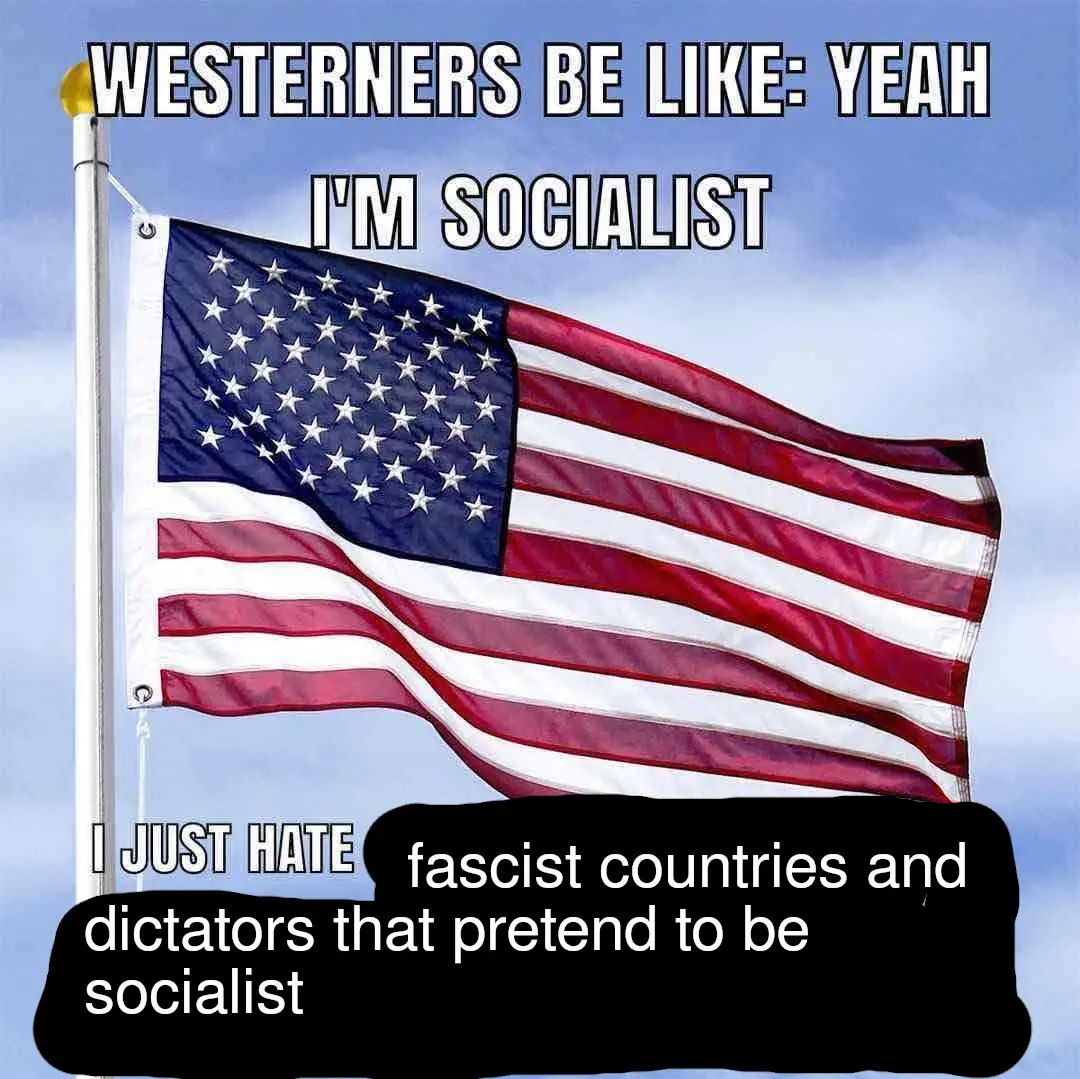
▲ 831 ▼ fixed cyberghost's "meme" (thelemmy.club) submitted 2 years ago by Vuraniute@thelemmy.club to c/memes@lemmy.ml 942 comments fedilink hide all child comments
[–] JohnDClay@sh.itjust.works 2 points 2 years ago (1 child) Exactly. And the general meaning is the one I just gave. permalink fedilink source parent hideshow 2 child comments replies: [–] BurgerPunk@hexbear.net 12 points 2 years ago* (1 child) But general definition is not stable it changes. You're just saying this in a way to negate my definition. Why do you get to define it? permalink fedilink source parent hideshow 2 child comments replies: [–] JohnDClay@sh.itjust.works 0 points 2 years ago (1 child) The majority/community defines it has hasn't changed it yet. permalink fedilink source parent hideshow 2 child comments replies: [–] BurgerPunk@hexbear.net 10 points 2 years ago (1 child) So you're trying to say words have actual meanings? permalink fedilink source parent hideshow 2 child comments replies: [–] JohnDClay@sh.itjust.works 1 point 2 years ago (1 child) They have the actual meaning that the majority or community gives them. But that isn't necessarily static. But you've shown no evidence that it's changed in this case. That's what I've always been saying. permalink fedilink source parent hideshow 2 child comments replies: [–] BurgerPunk@hexbear.net 8 points 2 years ago (1 child) So words have settled meanings when you say they do? permalink fedilink source parent hideshow 2 child comments replies: [–] JohnDClay@sh.itjust.works 1 point 2 years ago (1 child) What do you mean settled? Do words meaning change? Absolutely. Quick examples from Google are awesome, egregious, awful, terrific, smeart->smart, nice, wicked, presently, etc permalink fedilink source parent hideshow 2 child comments replies: [–] BurgerPunk@hexbear.net 9 points 2 years ago (1 child) I mean you feel confindent saying that a word has a meaning that is agreed upon permalink fedilink source parent hideshow 2 child comments replies: [–] JohnDClay@sh.itjust.works 1 point 2 years ago (1 child) Yes? Sometimes multiple in the case of homophones. permalink fedilink source parent hideshow 2 child comments replies: [–] BurgerPunk@hexbear.net 9 points 2 years ago* So if someone told you that you were using a word or words incorrectly, because the agreed upon usage of that term was decided, you would accept it and wouldn't pedantically argue that point instead? permalink fedilink source parent
[–] BurgerPunk@hexbear.net 12 points 2 years ago* (1 child) But general definition is not stable it changes. You're just saying this in a way to negate my definition. Why do you get to define it? permalink fedilink source parent hideshow 2 child comments replies: [–] JohnDClay@sh.itjust.works 0 points 2 years ago (1 child) The majority/community defines it has hasn't changed it yet. permalink fedilink source parent hideshow 2 child comments replies: [–] BurgerPunk@hexbear.net 10 points 2 years ago (1 child) So you're trying to say words have actual meanings? permalink fedilink source parent hideshow 2 child comments replies: [–] JohnDClay@sh.itjust.works 1 point 2 years ago (1 child) They have the actual meaning that the majority or community gives them. But that isn't necessarily static. But you've shown no evidence that it's changed in this case. That's what I've always been saying. permalink fedilink source parent hideshow 2 child comments replies: [–] BurgerPunk@hexbear.net 8 points 2 years ago (1 child) So words have settled meanings when you say they do? permalink fedilink source parent hideshow 2 child comments replies: [–] JohnDClay@sh.itjust.works 1 point 2 years ago (1 child) What do you mean settled? Do words meaning change? Absolutely. Quick examples from Google are awesome, egregious, awful, terrific, smeart->smart, nice, wicked, presently, etc permalink fedilink source parent hideshow 2 child comments replies: [–] BurgerPunk@hexbear.net 9 points 2 years ago (1 child) I mean you feel confindent saying that a word has a meaning that is agreed upon permalink fedilink source parent hideshow 2 child comments replies: [–] JohnDClay@sh.itjust.works 1 point 2 years ago (1 child) Yes? Sometimes multiple in the case of homophones. permalink fedilink source parent hideshow 2 child comments replies: [–] BurgerPunk@hexbear.net 9 points 2 years ago* So if someone told you that you were using a word or words incorrectly, because the agreed upon usage of that term was decided, you would accept it and wouldn't pedantically argue that point instead? permalink fedilink source parent
[–] JohnDClay@sh.itjust.works 0 points 2 years ago (1 child) The majority/community defines it has hasn't changed it yet. permalink fedilink source parent hideshow 2 child comments replies: [–] BurgerPunk@hexbear.net 10 points 2 years ago (1 child) So you're trying to say words have actual meanings? permalink fedilink source parent hideshow 2 child comments replies: [–] JohnDClay@sh.itjust.works 1 point 2 years ago (1 child) They have the actual meaning that the majority or community gives them. But that isn't necessarily static. But you've shown no evidence that it's changed in this case. That's what I've always been saying. permalink fedilink source parent hideshow 2 child comments replies: [–] BurgerPunk@hexbear.net 8 points 2 years ago (1 child) So words have settled meanings when you say they do? permalink fedilink source parent hideshow 2 child comments replies: [–] JohnDClay@sh.itjust.works 1 point 2 years ago (1 child) What do you mean settled? Do words meaning change? Absolutely. Quick examples from Google are awesome, egregious, awful, terrific, smeart->smart, nice, wicked, presently, etc permalink fedilink source parent hideshow 2 child comments replies: [–] BurgerPunk@hexbear.net 9 points 2 years ago (1 child) I mean you feel confindent saying that a word has a meaning that is agreed upon permalink fedilink source parent hideshow 2 child comments replies: [–] JohnDClay@sh.itjust.works 1 point 2 years ago (1 child) Yes? Sometimes multiple in the case of homophones. permalink fedilink source parent hideshow 2 child comments replies: [–] BurgerPunk@hexbear.net 9 points 2 years ago* So if someone told you that you were using a word or words incorrectly, because the agreed upon usage of that term was decided, you would accept it and wouldn't pedantically argue that point instead? permalink fedilink source parent
[–] BurgerPunk@hexbear.net 10 points 2 years ago (1 child) So you're trying to say words have actual meanings? permalink fedilink source parent hideshow 2 child comments replies: [–] JohnDClay@sh.itjust.works 1 point 2 years ago (1 child) They have the actual meaning that the majority or community gives them. But that isn't necessarily static. But you've shown no evidence that it's changed in this case. That's what I've always been saying. permalink fedilink source parent hideshow 2 child comments replies: [–] BurgerPunk@hexbear.net 8 points 2 years ago (1 child) So words have settled meanings when you say they do? permalink fedilink source parent hideshow 2 child comments replies: [–] JohnDClay@sh.itjust.works 1 point 2 years ago (1 child) What do you mean settled? Do words meaning change? Absolutely. Quick examples from Google are awesome, egregious, awful, terrific, smeart->smart, nice, wicked, presently, etc permalink fedilink source parent hideshow 2 child comments replies: [–] BurgerPunk@hexbear.net 9 points 2 years ago (1 child) I mean you feel confindent saying that a word has a meaning that is agreed upon permalink fedilink source parent hideshow 2 child comments replies: [–] JohnDClay@sh.itjust.works 1 point 2 years ago (1 child) Yes? Sometimes multiple in the case of homophones. permalink fedilink source parent hideshow 2 child comments replies: [–] BurgerPunk@hexbear.net 9 points 2 years ago* So if someone told you that you were using a word or words incorrectly, because the agreed upon usage of that term was decided, you would accept it and wouldn't pedantically argue that point instead? permalink fedilink source parent
[–] JohnDClay@sh.itjust.works 1 point 2 years ago (1 child) They have the actual meaning that the majority or community gives them. But that isn't necessarily static. But you've shown no evidence that it's changed in this case. That's what I've always been saying. permalink fedilink source parent hideshow 2 child comments replies: [–] BurgerPunk@hexbear.net 8 points 2 years ago (1 child) So words have settled meanings when you say they do? permalink fedilink source parent hideshow 2 child comments replies: [–] JohnDClay@sh.itjust.works 1 point 2 years ago (1 child) What do you mean settled? Do words meaning change? Absolutely. Quick examples from Google are awesome, egregious, awful, terrific, smeart->smart, nice, wicked, presently, etc permalink fedilink source parent hideshow 2 child comments replies: [–] BurgerPunk@hexbear.net 9 points 2 years ago (1 child) I mean you feel confindent saying that a word has a meaning that is agreed upon permalink fedilink source parent hideshow 2 child comments replies: [–] JohnDClay@sh.itjust.works 1 point 2 years ago (1 child) Yes? Sometimes multiple in the case of homophones. permalink fedilink source parent hideshow 2 child comments replies: [–] BurgerPunk@hexbear.net 9 points 2 years ago* So if someone told you that you were using a word or words incorrectly, because the agreed upon usage of that term was decided, you would accept it and wouldn't pedantically argue that point instead? permalink fedilink source parent
[–] BurgerPunk@hexbear.net 8 points 2 years ago (1 child) So words have settled meanings when you say they do? permalink fedilink source parent hideshow 2 child comments replies: [–] JohnDClay@sh.itjust.works 1 point 2 years ago (1 child) What do you mean settled? Do words meaning change? Absolutely. Quick examples from Google are awesome, egregious, awful, terrific, smeart->smart, nice, wicked, presently, etc permalink fedilink source parent hideshow 2 child comments replies: [–] BurgerPunk@hexbear.net 9 points 2 years ago (1 child) I mean you feel confindent saying that a word has a meaning that is agreed upon permalink fedilink source parent hideshow 2 child comments replies: [–] JohnDClay@sh.itjust.works 1 point 2 years ago (1 child) Yes? Sometimes multiple in the case of homophones. permalink fedilink source parent hideshow 2 child comments replies: [–] BurgerPunk@hexbear.net 9 points 2 years ago* So if someone told you that you were using a word or words incorrectly, because the agreed upon usage of that term was decided, you would accept it and wouldn't pedantically argue that point instead? permalink fedilink source parent
[–] JohnDClay@sh.itjust.works 1 point 2 years ago (1 child) What do you mean settled? Do words meaning change? Absolutely. Quick examples from Google are awesome, egregious, awful, terrific, smeart->smart, nice, wicked, presently, etc permalink fedilink source parent hideshow 2 child comments replies: [–] BurgerPunk@hexbear.net 9 points 2 years ago (1 child) I mean you feel confindent saying that a word has a meaning that is agreed upon permalink fedilink source parent hideshow 2 child comments replies: [–] JohnDClay@sh.itjust.works 1 point 2 years ago (1 child) Yes? Sometimes multiple in the case of homophones. permalink fedilink source parent hideshow 2 child comments replies: [–] BurgerPunk@hexbear.net 9 points 2 years ago* So if someone told you that you were using a word or words incorrectly, because the agreed upon usage of that term was decided, you would accept it and wouldn't pedantically argue that point instead? permalink fedilink source parent
[–] BurgerPunk@hexbear.net 9 points 2 years ago (1 child) I mean you feel confindent saying that a word has a meaning that is agreed upon permalink fedilink source parent hideshow 2 child comments replies: [–] JohnDClay@sh.itjust.works 1 point 2 years ago (1 child) Yes? Sometimes multiple in the case of homophones. permalink fedilink source parent hideshow 2 child comments replies: [–] BurgerPunk@hexbear.net 9 points 2 years ago* So if someone told you that you were using a word or words incorrectly, because the agreed upon usage of that term was decided, you would accept it and wouldn't pedantically argue that point instead? permalink fedilink source parent
[–] JohnDClay@sh.itjust.works 1 point 2 years ago (1 child) Yes? Sometimes multiple in the case of homophones. permalink fedilink source parent hideshow 2 child comments replies: [–] BurgerPunk@hexbear.net 9 points 2 years ago* So if someone told you that you were using a word or words incorrectly, because the agreed upon usage of that term was decided, you would accept it and wouldn't pedantically argue that point instead? permalink fedilink source parent
[–] BurgerPunk@hexbear.net 9 points 2 years ago* So if someone told you that you were using a word or words incorrectly, because the agreed upon usage of that term was decided, you would accept it and wouldn't pedantically argue that point instead? permalink fedilink source parent