The big perspective shift for me, is not that I feel obliged to privacy in public. It's when the institution observing is so big and centralised that it becomes a power issue. I don't care if you (the people) see all that I do in public, I have nothing to hide. I do care when your agenda is to see everything and gain power from it.
Or even worse, google play services
The simplest method to get away with murder is causing a car accident.
European commission proposed [...] should be able to
Europe could soon get
I think that's a slightly too optimistic phrasing.
am I just supposed to become even WEIRDER than I am, let all that kinky energy turn toxic and then rapey
No.
type for 20 minutes a day about butt sex with an LLM
You do you, but if it's reinforcing isolation, also maybe no? I sure hope they aren't mutually exclusive though.
All very troublesome numbers, but the headline doesn't come back in the article and seems quite overstated. If boys mostly know 100 people their age and they all know that same person in an AI relationship. It's really 0.2% of the agegroup that are in a relationship with AI. Not good, but vastly smaller that the other figures, like creating naked depictions of other people.
You named a supposed benefit of what FUTO tries to accomplish with their licensing, but gave an example of a project that has a broadly used license, not specific to FUTO.
Except immich actually uses the AGPLv3
Can you name or link some models? I'd like to consider my options but haven't found any yet.
How is trader defined? Is it a developer that's selling apps or also one that's just providing it for free?
This is the command I used after unlocking the luks device in a rescue environment and confirming it not mounting further:
sudo btrfs rescue zero-log /dev/mapper/luksroot
After that, I could mount again and boot.
Here's more info on the command, to verify advice is sound: https://manpages.debian.org/testing/btrfs-progs/btrfs-zero-log.8.en.html#zero
EDIT: For me it didn't happen during an update, btw. You might still need the chroot approach to make the system bootable again.
I've had this exact error a couple of weeks ago. You have to clear the replay log (and lose potentially 30 seconds of disk writes). Let's see if I can find exact instructions before the end of my commute.
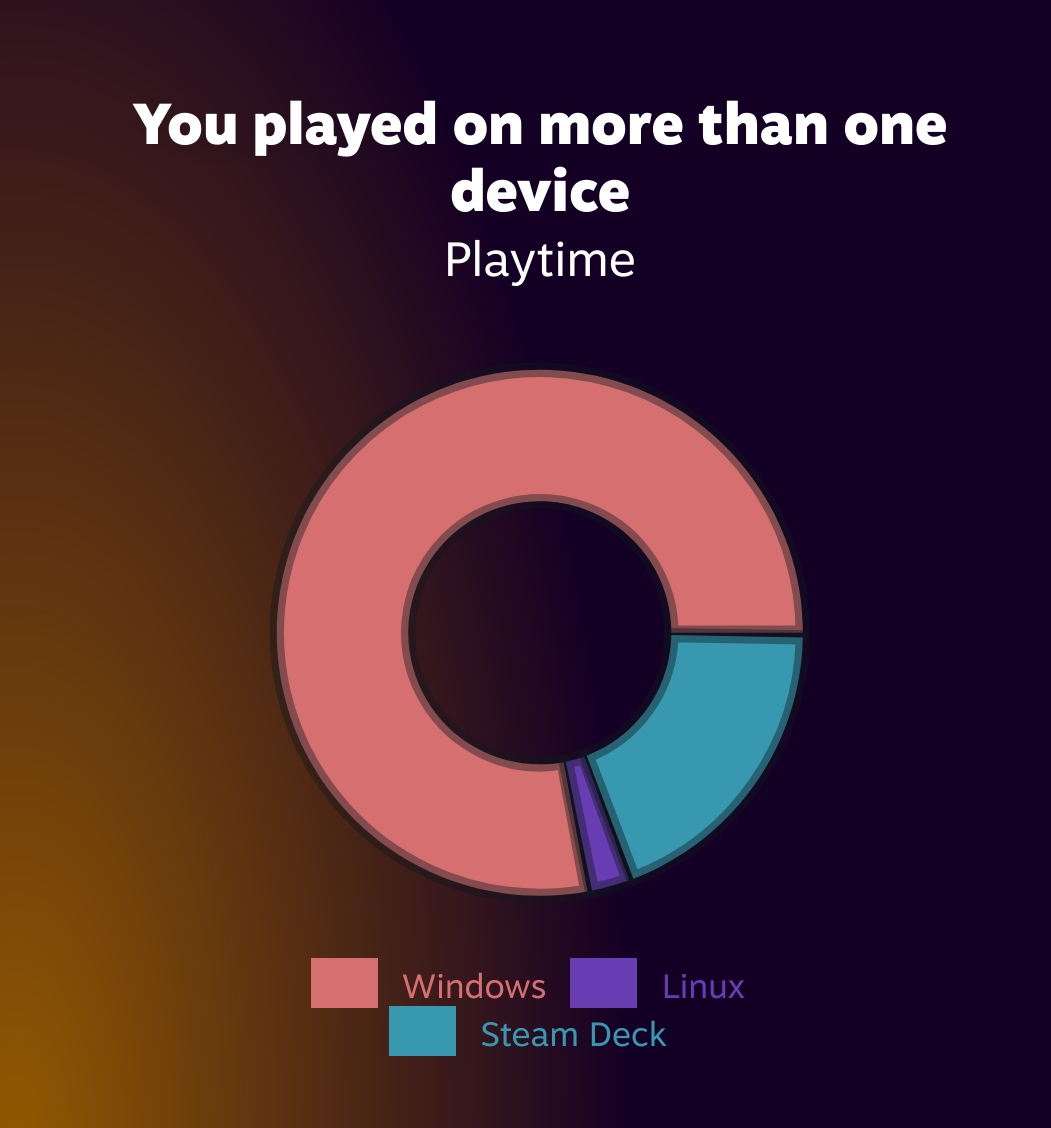
Apparently my setup, running the steam deck UI for gaming on my TV, is registering as an actual steam deck. Also unfortunate that the non steam games don't count, but hopefully next year this will be all purple/blue.
view more:
next ›