submitted 10 months ago* (last edited 10 months ago) by to c/videogames@piefed.social
 

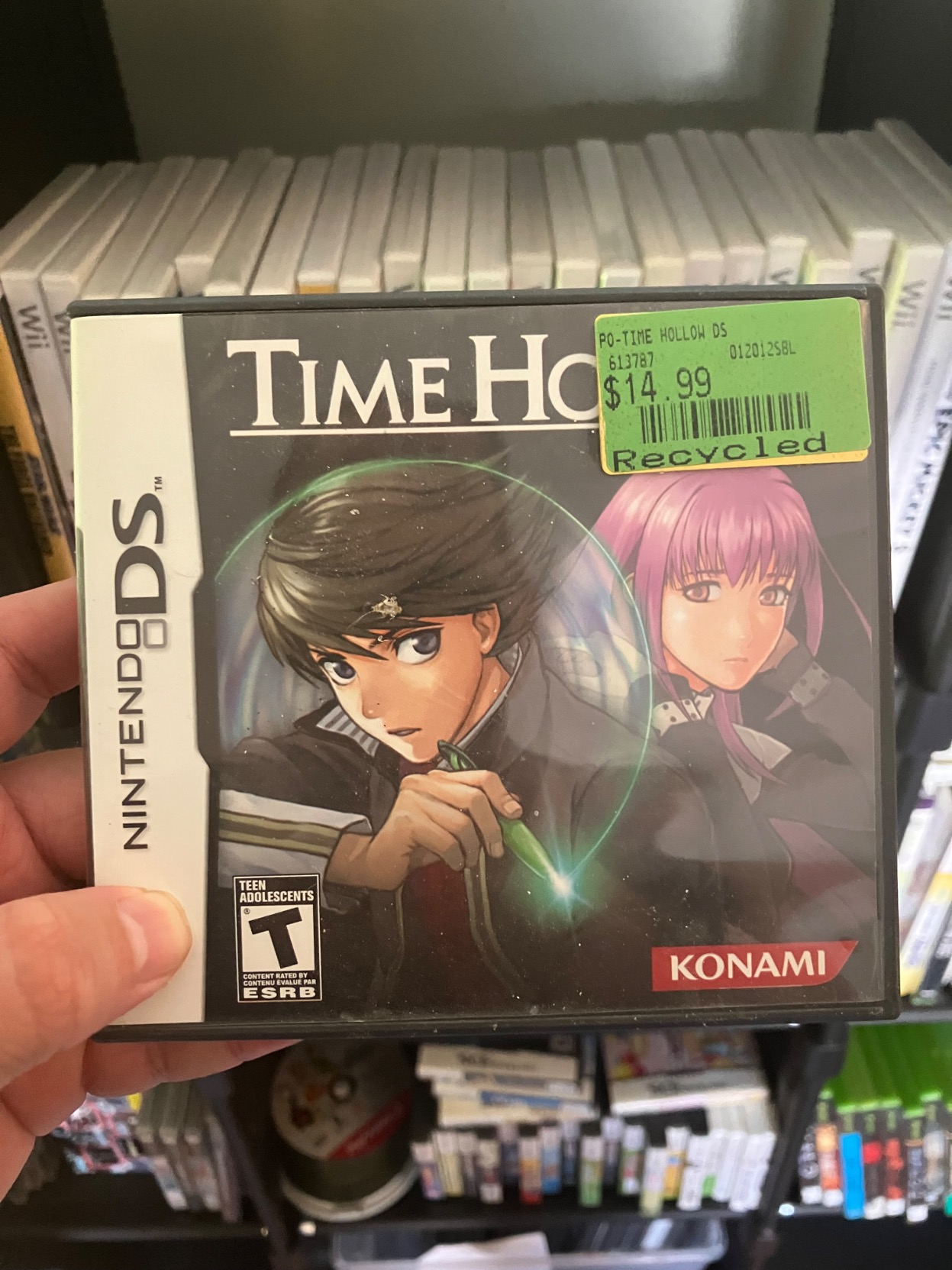
Time Hollow (2008) for Nintendo DS.

The DS really was a treasure chest for Japanese adventure games—and the stylus had everything to do with it. The system flipped open like a book, which made it perfect for late-night reading sessions or zoning out on a bus ride.

Time Hollow is one of those “timey-whimey” mysteries. You wield the Hollow Pen (your stylus) to cut literal windows into the past, swapping objects and rewriting events in search of your missing parents.

It’s all wrapped in sharp manga art, with anime cutscenes that still hold up. The vibe is what the kids now call “cozy.” I lucked out and found my copy at GameStop for C$15, back when they still had DS shelves worth browsing.

@videogames@piefed.social


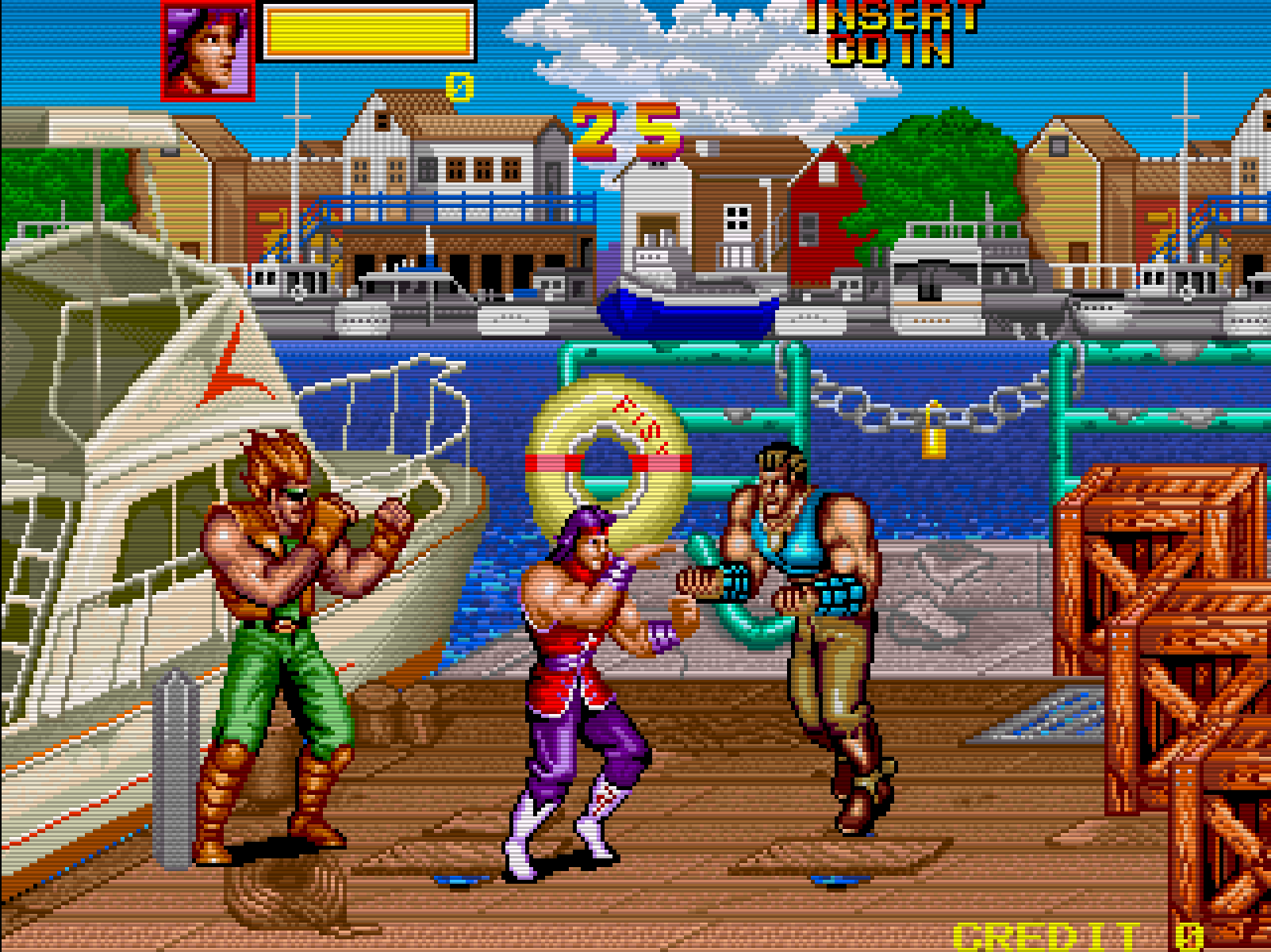
Silent Dragon (1992) for arcade is Taito’s forgotten attempt at a Double Dragon spiritual sequel.

This one came from East Technology, the same crew who made Double Dragon III (arcade, NES, Genesis, everything). That game is infamous for its stiff, awkward animation—arguably the weakest of the trilogy. But here, they got another shot.

And Silent Dragon is much better. You can tell East Technology saw what Final Fight was doing and tried to mash that polish with the Double Dragon formula. It’s still not Final Fight—by 1992, Capcom’s juggernaut was the yardstick every brawler got measured against—but it feels tighter than what they’d done before.

The action has weight, the sprites pop, and the set-pieces—like smashing through a clothing boutique or blowing up scenery—keep things lively.

It’s also packed with oddities that make it memorable. The bosses are wild: Animal Cupid (a bandaged brute), Wolfkid (basically Jagi from Fist of the North Star), and Frankenman (a stretchy mummy-thing). The HUD even has a bat icon that foreshadows the man-bat enemies later on.

And when you run out of credits, you don’t just get one “Continue?” countdown—you get a second screen with Catherine begging you to keep going, practically shaming you into feeding the machine another coin.

Mechanically, it’s a mixed bag. No separate punch and kick buttons, so the combos never get as flashy as Capcom’s. Still, you can wield a car battery as a weapon, chow down on gift-wrapped chicken, or watch a monkey pelt you with Molotovs before randomly dropping apples as health items. That sort of nonsense is peak arcade beat ’em up.

What I always notice, though, is the stock cast of enemies. Punks with mohawks? Check. Whip-wielding dominatrixes in leather? Of course. It’s as if there was a genre rulebook that every developer cribbed from. Silent Dragon follows it to the letter—only with a few more quirks to keep you smiling while you’re bashing away on the buttons

@videogames@piefed.social


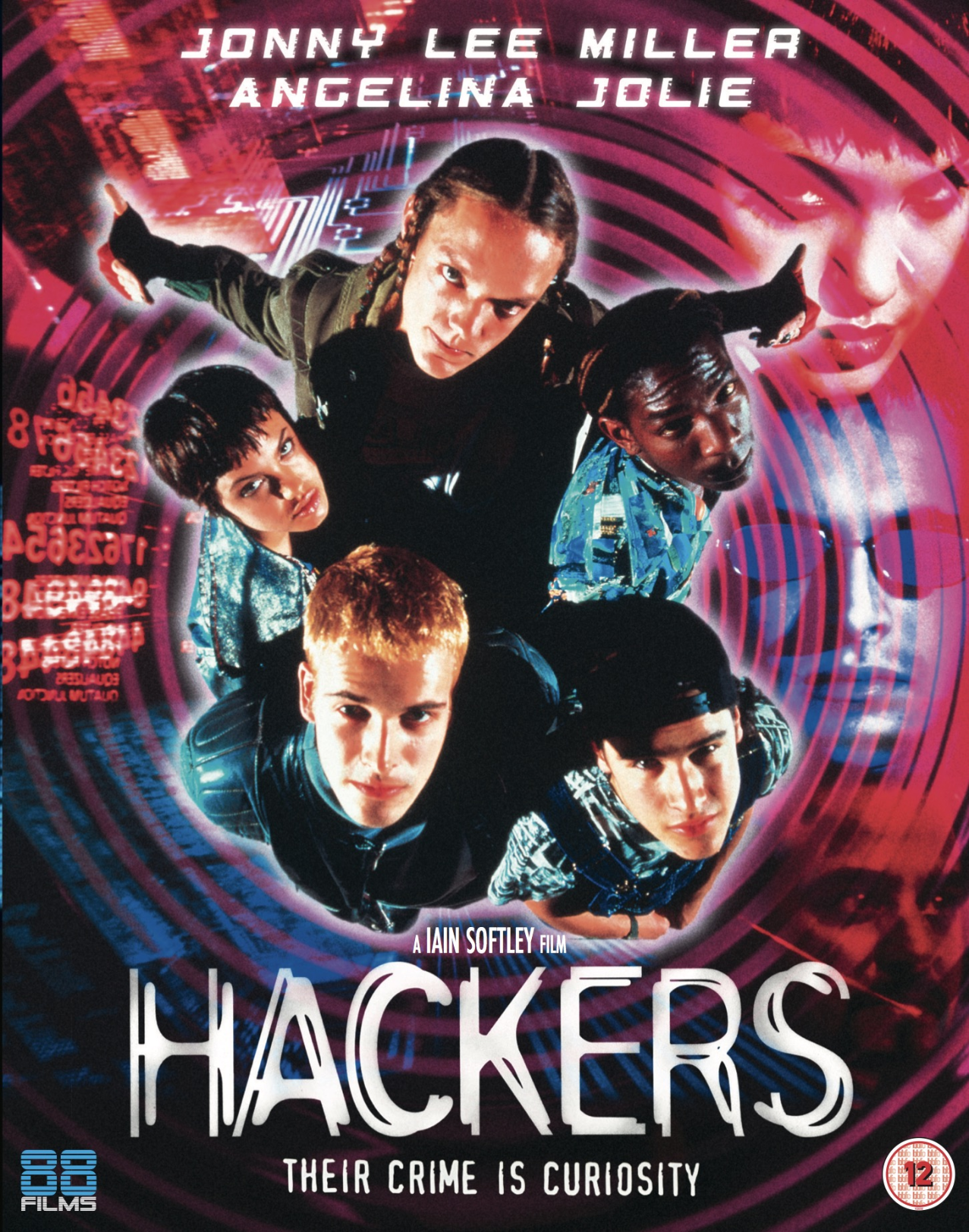
Hackers (1995) is a film I somehow never saw until now—wild, considering I lived through the real events it riffs on. Only 30 years later did I finally sit down to watch it.

This is a film I should’ve been more familiar with, seeing how it really cuts close to home. And I know some of you might find it unlikely that Hackers has real-world connections, but I’m telling you the truth.

The whole thing about free long distance was real. Back then we called it blue boxing. And in 1988, a young university student released what wasn’t exactly a virus but came to be known as the Morris Worm. It shut down a big chunk of the early internet. So while the movie exaggerates with a 12-year-old wunderkind, the inspiration was there.

Several characters were analogues to real people. Joey was based on a guy known as Fry Guy. And I’m pretty sure Nikon, the Black hacker in the movie, was based on John Threat—who in the 80s and 90s went by the handle Corrupt. I actually know John—great guy.

And yes, a lot of cybercrime investigations were really handled by the Secret Service. People forget their original purview was financial crime. Protecting the president came later.

So I’m shocked it took me until yesterday to actually see this movie. I remember it being a big deal—it touched youth culture and fashion. But let me tell you, hackers didn’t dress like that. Not before the movie came out. We were computer science nerds in labs. Nobody thought hacking or phreaking was cool.

Then overnight, with the movie’s leopard prints, fur, and pink neon side holsters, suddenly computer nerds were “the coolest kids in school.” Angelina Jolie helped with that one—plenty of girls suddenly wanted to get into computer science.

The plot is simple. A bunch of teenagers access file systems remotely, one stumbles onto something bigger, and suddenly they’re caught in a cyber-security conspiracy. The tagline nailed it: “Their only crime was curiosity.”

But the bad guy? Come on. A multimillion-dollar corporation hires as its CSO a dude who insists on being called “The Plague”? And the Secret Service wants to work with him instead of arrest him? No CSO walks into a boardroom with a skateboard and demands everyone call him by his hacker handle. That is the most unbelievable part of the movie.

Well, that and the hacking itself. Real hacking is just terminals and text. In Hackers, it’s skyscraper file systems and sci-fi UIs. Fun to look at, but nothing like reality. Same with the VR headset The Plague uses. VR existed in the 90s, but it sucked. Cool as an idea, but nobody was actually doing anything with it.

Same goes for the laptops. In 1995, laptops didn’t have the horsepower or fast built-in modems for serious hacking—if they had modems at all. They were impractical bricks.

What the movie did predict, though, were translucent machines. Those became all the rage later with Apple’s iMacs. In the 90s, our machines were beige or sometimes black—never cool, never translucent. So that influence stuck.

Other details are hilarious in retrospect. At the end, all the kids run to phone booths to hack. Why? Anonymity? Not really—now people can see you standing in a booth, typing furiously.

I used to mess with phone booths as a kid, routing calls around the world just because I could. That was phreaking. And one of the characters even goes by “Phreak”—spelled with a PH—which is a nod to that world. But almost never did I bring a laptop into a phone booth, not with them being so heavy and lacking battery power.

I realize I’m not treating this as just a movie. Hard to do, because this was my life. I’ve been in the tech industry for decades, and watching this is like a cop watching Bad Boys or a doctor watching House. It’s a story first, accuracy second. They wanted hacking to look cool.

My life wasn’t that cool. I didn’t have Angelina Jolie hanging off my arm. No woman has ever been impressed with my technical skills. Trivia skills once got me laid—technical skills, never.

I can’t believe I waited 30 years to finally watch this film. I watched it with my kid. She liked it. Then she asked me if that’s really what the 90s were like. I had to tell her no. Sorry to disappoint you, kid. But yeah—what a trip.

@movies@piefed.social


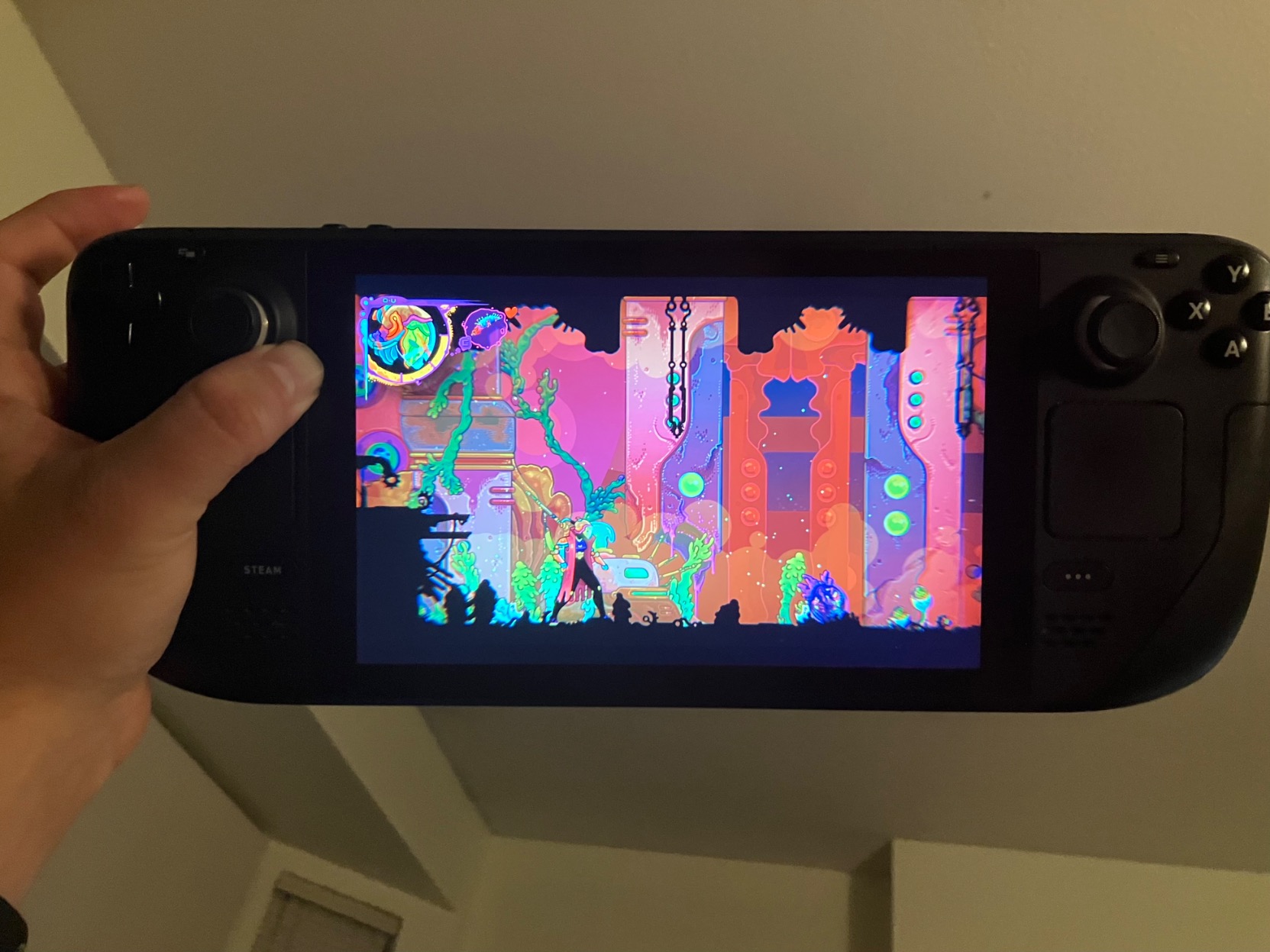
10 new(-ish) Linux games from itch.io that caught my eye lately.

I dug through, tested, and researched these—and every one of them runs excellently on Linux.

Spirit Stackers (fluttersprite)

A competitive falling-block puzzler spun out of the Paranatural webcomic. Spirit blocks drop in pairs, spectral energy zaps across the board, and clever chains bury your opponent in junk. Local 1–2 player, arcade mode for solo, and a wildcard block that can swing a match at the last second.

https://fluttersprite.itch.io/spiritstackers

COLORMUSE (TheJohnyFeeD)

Twin-stick bullet ballet. Swap polarities like Ikaruga, eat your colour, dodge the rest. Add in an online leaderboard, Lunatic difficulty, and a pounding electronic soundtrack. Feels arcade-authentic in a way most shooters don’t.

https://thejohnyfeed.itch.io/colormuse

Mycelium (Leoseverini)

A cozy survival-puzzle where you build out a fungal network one tile at a time. Collect resources, fruit your mushroom, and slowly surface. Still in development, but already a satisfying little zoom-and-pan clicker.

https://leoseverini.itch.io/mycelium

OBRII (Exponenta Games)

A stripped-down colony builder that makes Mars feel like a puzzle box. Every turn you drop terraforming tools, reshape craters, carve out deposits, and watch as your settlement teeters between survival and collapse. No tutorial bloat, no grind—just tight mechanics and a stark aesthetic that makes every decision bite.

https://exponenta-games.itch.io/obrii

Ship Miner (arielsan)

A one-bit twin-stick about grinding rock in the dark. Asteroids aren’t just scenery—they’re loaded with minerals, scrap, and the occasional hostile surprise. Strip them down, haul the loot, and pour it into upgrades: triple mining rays, photon thrusters, even healing drones to keep you alive when the void bites back. It’s sharp, frantic, and weirdly hypnotic..

https://arielsan.itch.io/shipminer

Children of the Spring (Arcanzu Games)

The world’s gone under, leaving only scattered islands and a sea that hides more than it gives away. Children of the Spring drops you into that flood with a ship that evolves alongside you—unlocking new ways to fight, explore, and dive into the depths. Real-time combat, secrets tucked above and below the waves, and a looming tower that dares you to climb.

https://arcanzu-games.itch.io/children-of-the-spring

Hope of Taru (Seidel Games)

A family-built platformer with hand-drawn charm. You play a wanderer piecing together memory, collecting stone fragments, and slowly lifting the curse from a ruined village. Six levels, a bespoke soundtrack, and just enough rough edges to remind you this came from a summer project at home—not a studio boardroom.

https://seidel-games.itch.io/hope-of-taru

Waste your Wedding (Antoine Foucault)

A side-scrolling aerial brawler where you crash a wedding to steal cake. Yes, really. Attacks double as extra jumps, you can quick-warp with F-keys, and there’s even a palette swap button. Ridiculous in the best way.

https://antoine-foucault.itch.io/waste-your-wedding

Hungry Horrors (Clumsy Bear Studio)

Most deckbuilders have you slashing goblins with swords or zapping them with lightning. Hungry Horrors says forget that—you’re cooking for them instead. Every beast from British and Irish folklore shows up starving, each with its own bizarre cravings.

https://clumsy-bear-studio.itch.io/hungry-horrors

Moth Planet (Moth Fried Games)

A platformer that feels like it crawled out of a sketchbook and took flight. You play a tiny moth in Lepidopteros—bouncing, gliding, and fluttering through hand-drawn landscapes stuffed with secrets. It’s equal parts whimsical and unsettling, with a narrative that doesn’t spoon-feed but keeps you curious.

https://mothfriedgames.itch.io/moth-planet


itch.io is absolutely flooded with experiments like these—some polished, some messy, but all more interesting than whatever safe sequel AAA is rolling out this quarter. And the best part is that every single one here is playable on Linux right now.

@videogames@piefed.social
 

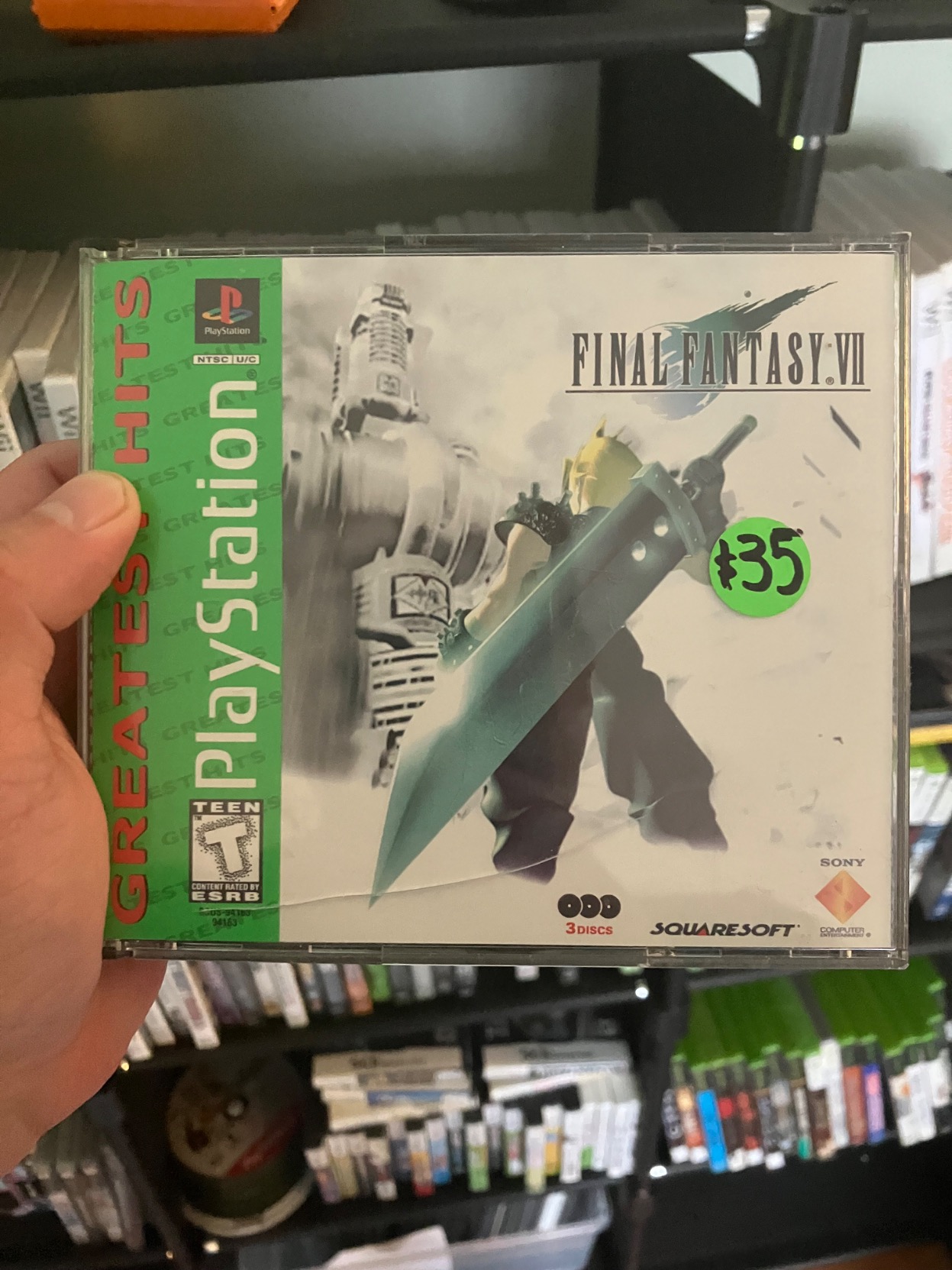
Final Fantasy VII (1997) for Sony PlayStation.

One of my all-time favourite RPGs. I put it right up there with Trails in the Sky—and that’s the highest praise I can give any JRPG. But unlike Trails, this one became a phenomenon. It moved consoles. It sold the PlayStation itself. And at the time, those pre-rendered backgrounds blew my mind.

I also own the PC release, which I adore even more. The models are sharper, Cloud even has a mouth. But make no mistake: this game belongs to the PSX era. It’s the defining title.

@videogames@piefed.social


Clown in a Cornfield (2025) is a horror movie about a teenage girl who moves to a small town that’s split between old-timers and high school kids—then gets confronted by a clown.

She falls in with a group of friends, and just as life starts to settle, the town’s history comes roaring back in the worst way possible. A clown mascot named Frendo steps out of the cornfields, and suddenly those kids are being hunted down one by one.

The reason I watched this is because I often have this mentality: one plus one equals two. Take one horror premise—Children of the Corn—combine it with It. What do you get? Clown in a Cornfield. So why not go hog wild, right?

Wildly enough, this didn’t start from some B-movie producer’s imagination. It was a novel first—Adam Cesare’s 2020 book—and now it’s an adaptation. The director is Eli Craig, the same guy who made Tucker & Dale vs. Evil, one of the best horror spoofs I’ve ever seen. Incredibly witty and clever. I hoped to see that same wit here. Spoiler alert: no, you don’t.

The core problem is that it tries too hard to do the self-aware teen thing, where characters seem to know they’re in a horror movie. But Scream already did this decades ago—much better. You’re not going to top Scream. And by now, the self-aware horror movie is as much of a cliché as the movies it lampoons.

Where it really goes wrong is the characters. They’re stock, and being self-aware doesn’t excuse that. You’ve got the Black kid who dies first, the snobby popular girls, the rich bad boy, the hick. Later in the film they try to throw a curveball, but it doesn’t land—by then the movie's lurching towards the end, and the relationships aren’t developed enough.

If you’re going to do something like this, the movie has to be clever. This one isn’t. The stock characters never break out of their molds.

That said, Will Sasso as the sheriff was excellent—the highlight of the film for me, though he doesn’t get much screen time.

The clown costumes, designed from Keith Lau’s concept art, were fun and creepy enough to make me giggle. A few kills, like the bench-press scene, were imaginative. But that’s about as good as it got.

The shoot had its quirks. Filmed in Winnipeg in fall 2023, the crew had to use blowtorches to melt snow after a blizzard so it would still look like autumn. Craig stacked the cast and crew with Canadians after moving to North Vancouver and even taking Canadian citizenship, so the whole thing has a half-Hollywood, half-Winnipeg vibe.

The marketing leaned into the gimmick. A week before wide release, they did drive-in-only previews with author signings and posters. Then came the “Frendo Across America” semi-truck tour, rolling up to landmarks with the clown mascot in tow.

It’s not a bad film—there are plenty worse with the same tropes. But because this was Eli Craig, I had high expectations. Tucker & Dale vs. Evil proved he could twist horror with wit. Here, those expectations just weren’t met.

Do I recommend it? Meh. Not a total waste of time, but you could watch better movies.

Where to watch:

Prime Video: https://www.primevideo.com/detail/0GVJCCJDSJI8PS821VSPHOHTQU

@movies@piefed.social


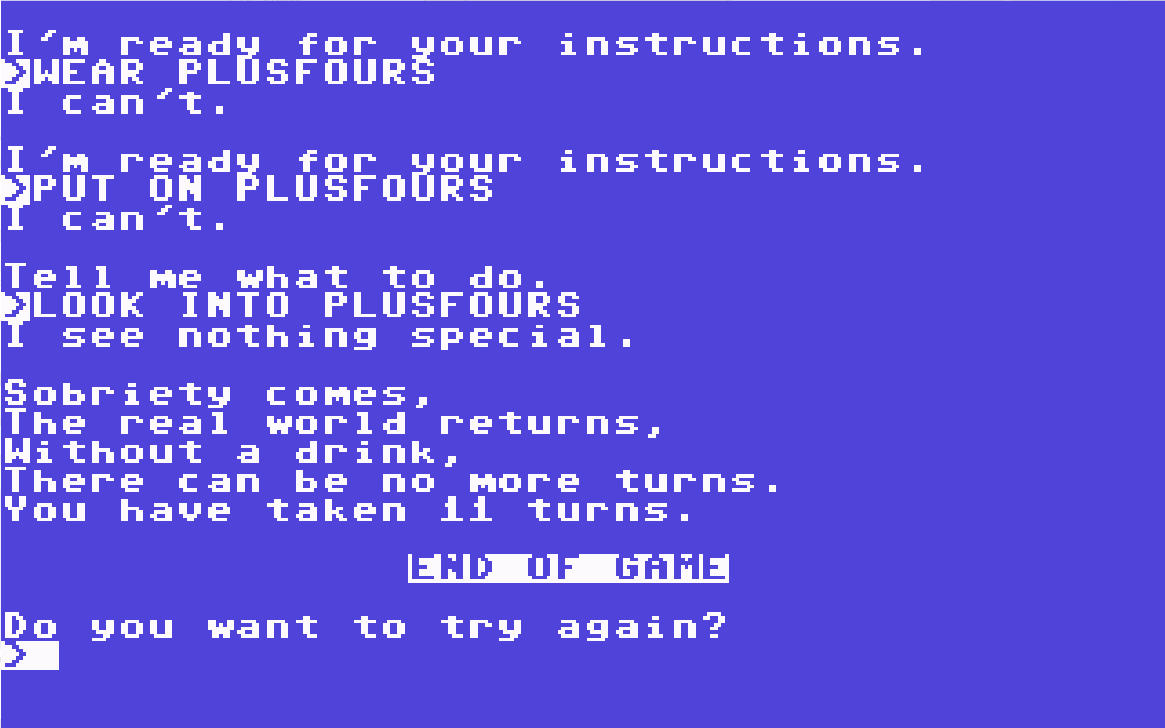
Denis Through the Drinking Glass (1983) is a text adventure about Margaret Thatcher’s drunk husband, Denis. Yes—this was a real thing.

The copy I played was on Commodore 64, but it first staggered out on ZX Spectrum in 1983—later crawling onto Atari 8-bit, BBC Micro, and Acorn Electron. It was built in The Quill, and not just any Quill game—this was the very first commercial release. From the start, the whole thing was drenched in satire and barroom humor.

The hook is that you don’t lose because of goblins, or hit points, or bad parser guesses. You lose because you sober up. Ten turns without a drink and Denis blinks back into reality, game over.

Sobriety is the fail state. 42 years later, that mechanic still feels uncomfortably brilliant.

Applications Software Specialities never made another game. One shot, one kill. But if you’re going to bow out after a single release, you could do worse than a rhyming, headline-spitting adventure where the only way to keep playing is to stay hammered.

@videogames@piefed.social


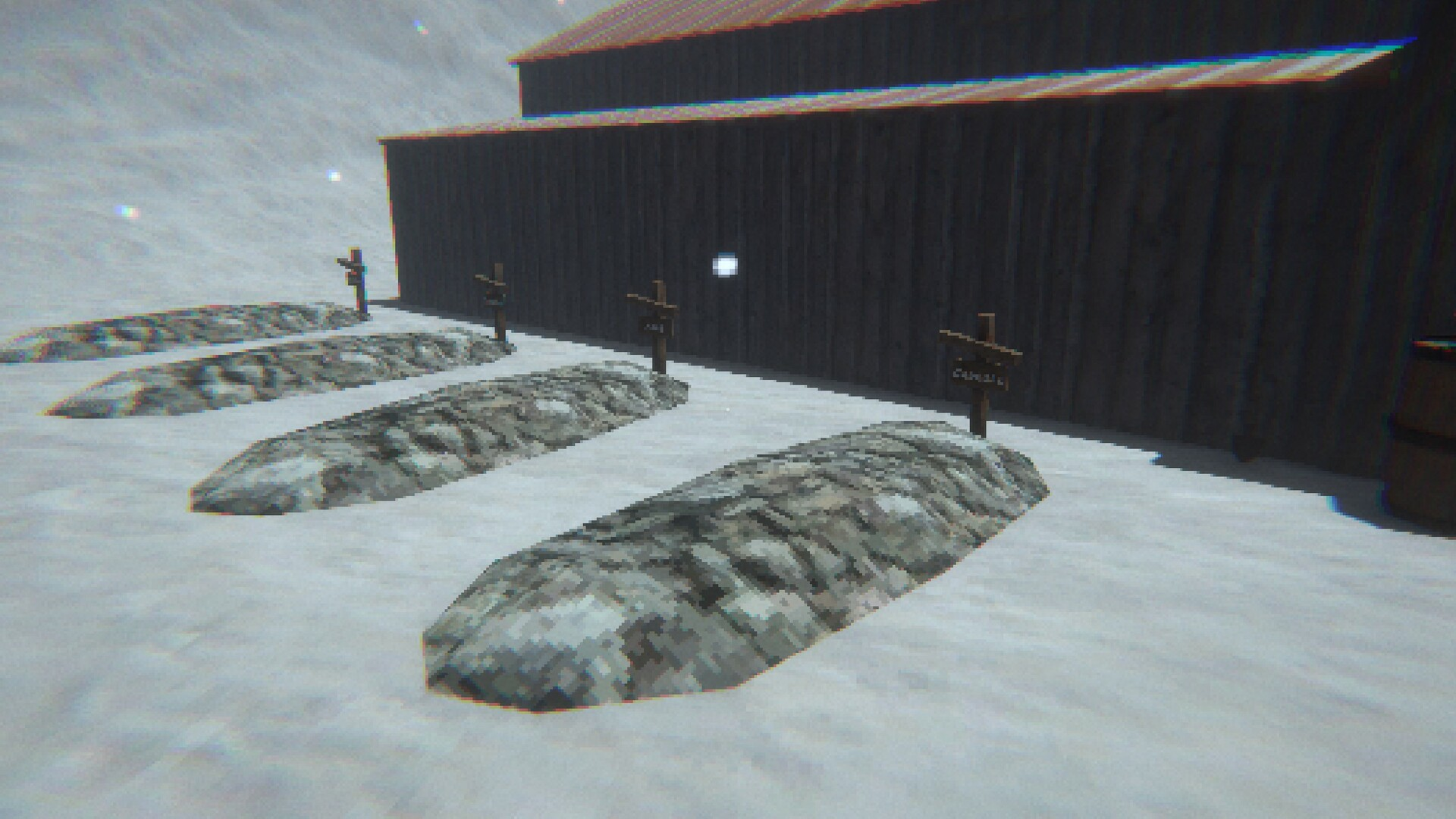
Dyer Expedition just hit Steam—and I wanted to love it, but I can’t.

Can it be fun? Sure. Great ideas? Definitely. But the presentation wrecked me. The way the color and low-res textures strobe against each other made me nauseous—fifteen minutes in, I was dry heaving and clutching my stomach like I’d been on a bender. Closest I’ve ever felt to a hangover without actually drinking.

So here’s the setup. It’s 1931. Antarctica is still the great unknown. Miskatonic University sends William Dyer to the ice to dig up fossils and prove his academic theories. The supply ship sails home and finds the base abandoned. Contact is gone. You fear the worst—colleagues lost, dread mounting—and so you mount your own rogue mission. Passage through Australia, a fishing boat dropping you at the ice, two days to find out what happened. It’s straight Lovecraft, riffing on At the Mountains of Madness.

That part is compelling. The problem is how the game plays. First cabin you enter? Doors you can’t open. No explanation, no feedback. Why build doors into a level if they’re nothing but wall dressing? And while the atmosphere screams “explore me,” the structure is rigidly A-to-B. Even 1980s adventure games rewarded curiosity. This one corrals you down the track like a tourist on a rope line. If it’s linear, fine—but then don’t fake openness.

Visually, I usually enjoy PSX-era blockiness. But something about this clashes—the chunky textures grinding against color gradients until it’s physically unpleasant. It’s the rare case where a retro filter makes me want to hurl.

Audio is stronger. Puzzles actually lean on sound cues, which is clever. The sound design is tense and practical. Music (if you can call it that) drifts in and out like background radiation—ambient to the point of forgettable. Stereo separation is nice. Custom volume sliders are there. Credit where due: Sjellos composed the score, and while it isn’t memorable, it fits the cold.

Controls are keyboard and mouse by default, Xbox pad supported. But nothing about the layout is intuitive. Expect to wrestle with it before the game lets you settle in.

Quality of life is barebones—Steam Family Sharing, and that’s it.

Specs are featherweight. An old Intel HD 620 runs it. You only need 4GB of RAM and a single gig of storage.

Windows is the official target, but the demo shipped a Linux build, and I can confirm the full game runs flawlessly on Linux too. Even on Steam Deck is plays well.

Monkeys With Jobs, a solo Austrian dev, spent three and a half years making this. It’s their debut. Launch price is C$9.44 with a 10% discount. On day one there are only two Steam reviews, both positive. I disagree with their sentiment.

For me, the linearity, the fake interactivity, and the queasy visuals ruin what could have been a strong Antarctic mystery. It made me sick—literally. And when a game puts me flat on the couch in under twenty minutes, I can’t recommend it.

https://store.steampowered.com/app/2179390/Dyer_Expedition/

@videogames@piefed.social


People often ask if I’m the same Chris Trottier who designed The Sims.

No. While we both like video games, I am not that Chris Trottier.

For one, that Chris Trottier is a woman. I’m a man.

But here’s where it gets funny. When she was exactly my age, 43, she gave a presentation called Designing Games for the 43-Year-Old Woman.

And right now? I am 43. And I often talk about game design for women—just not from her perspective. She speaks as a woman. I speak as a husband and father who buys games for the women in my life.

There’s one more odd connection. She worked at EA. And me? I’ve worked with and am friends with at least eight people who are or were at EA.

So no—we’re not the same Chris Trottier. But the parallels are uncanny.

https://www.slideshare.net/slideshow/chris-trottier-designing-games-for-the-43-year-old-woman/7361534

@videogames@piefed.social


Are we misremembering what PS2 games looked like?

I think we are. Because it’s about time the PS2, Xbox, and GameCube era got its comeback—and not many indie devs are even trying.

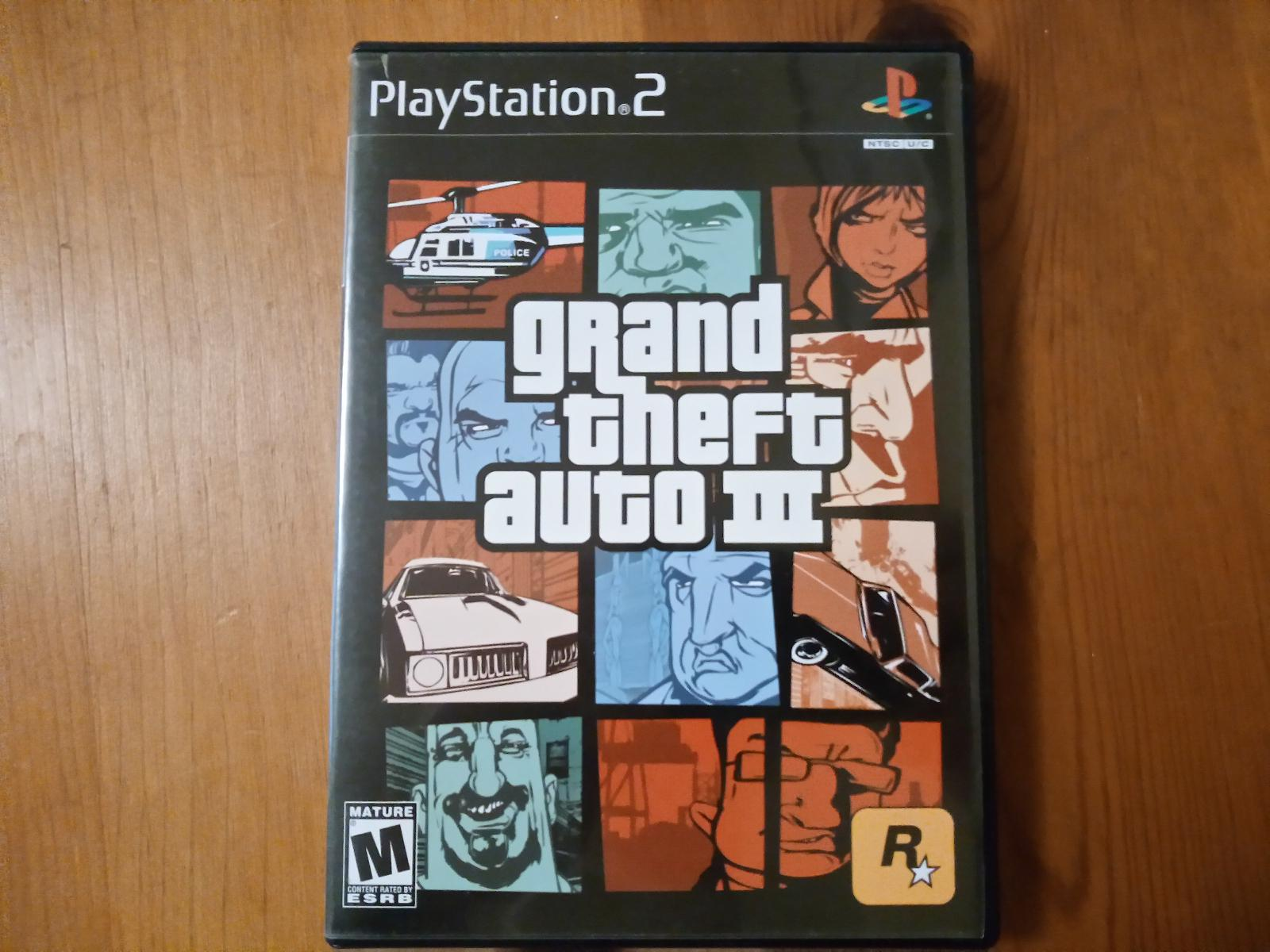
I went looking at YouTube footage. God of War. Ratchet & Clank. Grand Theft Auto III. And almost none of it looked right.

Most of it was stretched to 16:9 when these games were made for 4:3. A handful supported widescreen, sure, but that wasn’t the norm.

And the jaggies? I don’t remember them looking that raw. CRTs hid a lot with interlacing. They blurred the edges, softened the movement. The PS2 looked smoother than the sharp pixels you see now.

But YouTube is filled with emulated footage. Nothing wrong with emulation—I use it myself. But much of it has been upscaled and filtered to look “modern.” Which misses the whole point.

People still say the PS2 is too modern to be retro. That’s wrong. It came out 25 years ago. It’s as retro now as the NES was when the PS2 first launched.

If you want the real PS2 experience, you need a CRT. And CRTs aren’t being made anymore. They’re getting expensive, and they’re vanishing.

That’s why I want indie devs to aim for the authentic PS2 look. Not a parody. Not a cleaned-up facsimile, but the actual thing. Because if younger generations saw what the PS2 really was—they’d understand why it mattered.

@videogames@piefed.social


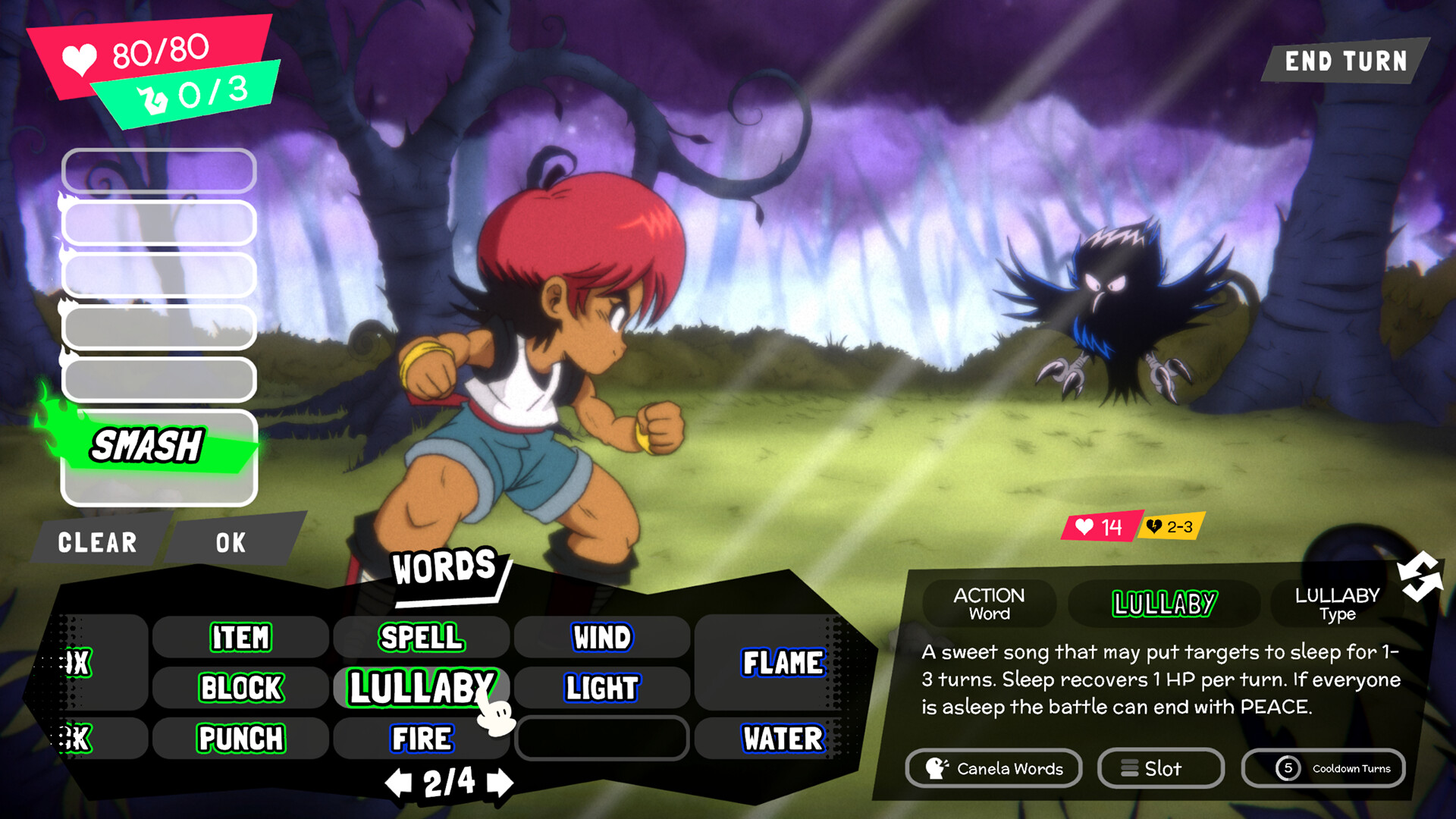
Wander Stars just launched today—and playing it feels like watching a lost 90s anime taped off late-night TV.

Everything from the CRT fuzz to the Dragon Ball-ish character art makes it look like you should be blowing into a VHS head cleaner. It’s committed to the bit.

But don’t call this a JRPG. It isn’t. It doesn’t even play like one. The devs are from Spain, not Japan. And the whole combat system is built around words.

You don’t grind for gear—you mash together “PUNCH + FIRE + SMASH” into bizarre attacks, then juggle cooldowns and Spirit points. There are 200 of these words scattered across the game, and the real goal is to collect them, win “honorably” to earn Pep Ups, and eventually ascend into some kind of cosmic Kiai master.

The story is episodic—literally ten anime-styled “episodes.” You play as Ringo, a hot-headed martial artist searching for her brother, and Wolfe, a sketchy drifter running from his past. Together they chase fragments of the Wanderstar Map across the galaxy, bickering like they’re trapped in a Ranma ½ filler arc. It’s tropey on purpose, and it works.

The visuals are hand-drawn, full of color swaps and filters, and yes, you can adjust the camera if the CRT effect makes your eyes melt.

The music is great. It's composed by Sayth Vashra with a full 55-track soundtrack. Sound effects punch, menus click just right, and volume can be adjusted without digging through Windows mixers.

Controls take adjustment, because the whole “word-sentence combat” is strange at first. Do the tutorial. Once you do, you can play it your way—keyboard, mouse, Xbox pad, DualSense. There’s no quick-time button-mashing nonsense. Everything’s deliberate.

In terms of quality-of-life: Steam achievements, cloud saves, family sharing.

It’s even Steam Deck Verified, and I can confirm it plays fine on Linux.

Official specs are modest—old i5, 8 GB RAM, GTX 760—but don’t cheap out below that unless you like stutter.

Paper Castle Games only made one other game—Underhero—and I own it. It’s excellent. Wander Stars is cut from the same cloth: inventive, scrappy, and weird in a way big-budget games don’t dare to be.

Reception is still tiny: currently 100% positive on Steam with a dozen reviews. My bet? Most players will click with this immediately.

Launch price is C$29.25. Considering the work that went into it, that’s more than fair.

https://store.steampowered.com/app/1575810/Wander_Stars/

@videogames@piefed.social

[–] [S] 3 points 10 months ago

@holdenweb@freeradical.zone @videogames@piefed.social When I play FPS games, I don’t think “I want to murder someone.” I think “I’m playing something creative and meaningful.”

That isn’t unique to me. Millions of people play shooters every day without it ever translating into real-world violence. If games were truly the cause, we’d see epidemic levels of violence everywhere they’re popular—yet countries with high gaming rates often have lower gun violence than the U.S.

It’s also no different than playing Clue, where you literally act out a murder mystery. Further, FPS games are less grisly than slasher movies like Saw or Texas Chainsaw Massacre, both of which portray violence with far more graphic realism.

And even if we wanted to, we can’t sit around monitoring everyone’s psychology to see who’s playing what or feeling what. That’s neither realistic nor effective.

What we can do is focus on what the evidence actually shows drives gun violence: easy access to real firearms. Research is consistent and unambiguous—gun availability correlates directly with gun deaths.

So pixelated guns? They’re a scapegoat. Actual guns are the problem.

  • source
  • parent
  • context
  • [–] [S] 3 points 10 months ago (2 children)

    @holdenweb@freeradical.zone @videogames@piefed.social Decades of research say the same thing: video games do not cause gun violence. The APA itself states there’s no causal link:

    https://www.apa.org/news/press/releases/2020/03/violent-video-games-behavior

    What does drive gun violence? Access to guns. A landmark meta-analysis shows firearm availability doubles the risk of homicide:

    https://www.acpjournals.org/doi/10.7326/M13-1301

    So worry less about pixelated weapons. The danger isn’t on a screen—it’s in the real-world guns we’ve chosen to surround ourselves with.

  • source
  • parent
  • context
  • [–] [S] 16 points 1 year ago* (3 children)

    @Feathercrown@lemmy.world No, this account is specifically from Akkoma. I have also submitted posts from my Pixelfed account.

    I can submit a post to Lemmy by mentioning the community handle in my post. Such is the magic of the Fediverse.

  • source
  • parent
  • context
  • [–] [S] 1 point 1 year ago (1 child)

    @jwcph@helvede.net @fediverse@lemmy.world @Coolmccool@mastodon.au I've explained how to use it: you submit to a group from Mastodon by tagging. In fact, you're using it right now. Look at one of the accounts you're mentioning.

    Did you not read the original post?

  • source
  • parent
  • context
  • view more: next ›