cross-posted from: https://programming.dev/post/14020506
The product of a chat with @QuazarOmega@lemy.lol
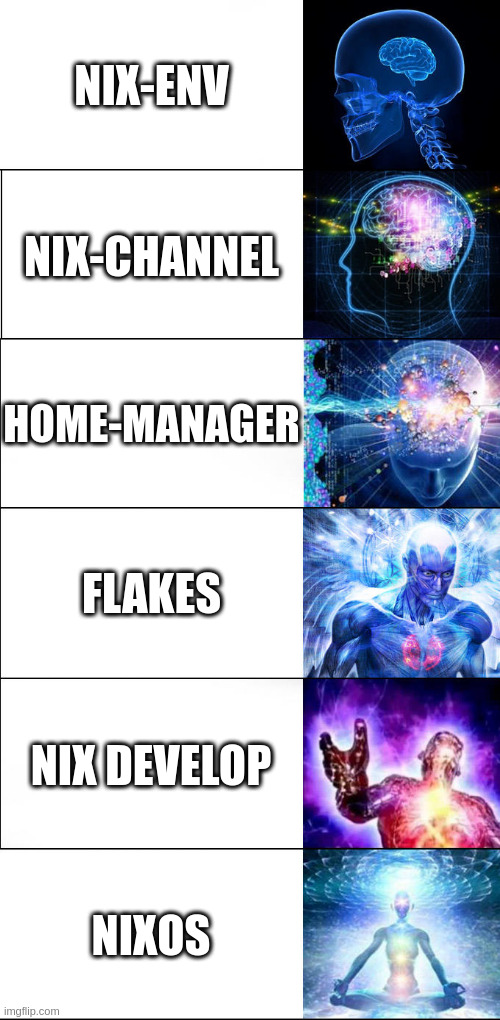
Read the rest of my comments...
Teflon itself is inert
About that
our findings suggest that PTFE-MPs-associated toxicity may be specifically linked to the activation of the ERK pathway, which ultimately induces oxidative stress and inflammation.
https://pubmed.ncbi.nlm.nih.gov/37419366/
Steel/iron > teflon for sure though.
At least 40% of human cancers are associated with aberrant ERK pathway activity (ERKp).
https://www.nature.com/articles/s41698-024-00554-5
ERK expression is critical for development and their hyperactivation plays a major role in cancer development and progression.
https://pmc.ncbi.nlm.nih.gov/articles/PMC7027163/
Prolonged oxidative stress contributes to cancer initiation and progression through several biological mechanisms.
https://biologyinsights.com/oxidative-stress-and-cancer-whats-the-connection/
Oxidative stress, characterized by the production of reactive oxygen species (ROS) within cells, plays a critical role in the development of cancer by affecting genomic stability and signaling pathways within the cellular microenvironment.
https://biosignaling.biomedcentral.com/articles/10.1186/s12964-023-01398-5
Inflammation predisposes to the development of cancer and promotes all stages of tumorigenesis.
It's releasing a high amount of micro and nano plastics, and those are linked to different health issues including cancer.
https://www.sciencedirect.com/science/article/pii/S0048969724027232
our findings suggest that PTFE-MPs-associated toxicity may be specifically linked to the activation of the ERK pathway, which ultimately induces oxidative stress and inflammation.
It's releasing a high amount of micro and nano plastics, and those are linked to different health issues including cancer.
https://www.sciencedirect.com/science/article/pii/S0048969724027232
our findings suggest that PTFE-MPs-associated toxicity may be specifically linked to the activation of the ERK pathway, which ultimately induces oxidative stress and inflammation.
Quite good, if you avoid the fact it's literally everywhere including the atmosphere, doesn't break down, and causes cancer. But who cares about such little things like cancer causing rain...
Some people prefer to have a game mod manager working immediately, others prefer their system working for years instead of failing to boot after an update.
I think the constant brain rot from the cradle will have a much worse effect in that regard. In my uneducated opinion, LLMs are scary due to cultivating delusions of every kind.
LLMs are going to make the world stupid, I guarantee it.
Waaaaaaay too late for that...
Literally the first sentence
screw using someone's personal distro
cross-posted from: https://programming.dev/post/14020506
The product of a chat with @QuazarOmega@lemy.lol
The product of a chat with @QuazarOmega@lemy.lol