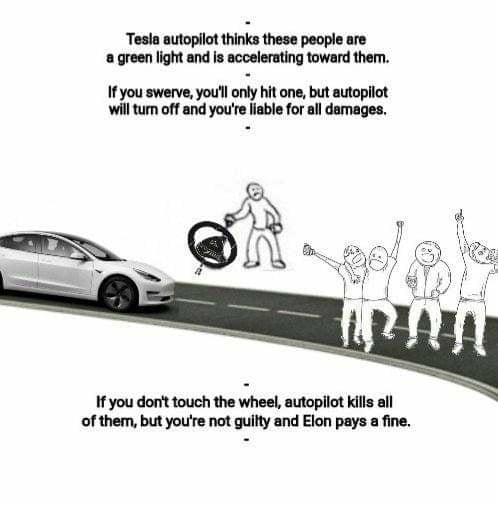
The cover-your-ass scenario.
In the Philosophy Crash Course there was a scenario like this. I'll paraphrase:
You're a traveler exploring a semi-devloped nation in South America. Coming out of the wilderness you come across a squad of soldiers. They are forcing twenty villagers to dig a mass grave. The officer to the soldiers tells you these villagers committed the state crime of supporting a rival to their leader, and are to be executed. But as you are a guest in their country, he will make you an offer: if you shoot one of them, yourself, he will set all the rest free, and then can hike to the border and beg for asylum. (A rough trek, but the neighboring country may take them).
Do you shoot one of the villagers?
Actually killing someone is rather hard on the psyche, and most of us cannot bear the thought (and might suffer from trauma as a result). But then, perhaps this is a small price to pay for nineteen human lives.
Thomas Aquinas and Kant were happy to let the soldiers kill the villagers so as to avoid committing the sin of murder, themselves. Aquinas and Kant even would not lie to the murderer at the door, or Nazi Jew-hunters to save the lives of fugitives hidden in their home, since lying was sin enough, and they would count on God to know His own. Both had contemporaries who disagreed, and felt it was proper to suffer the trauma and do what was necessary (assuming the officer of the soldiers seemed inclined to keep to his word and actually spare the remaining villagers.)
So, the cover your own ass response has a long history of backers, including known philosophers.