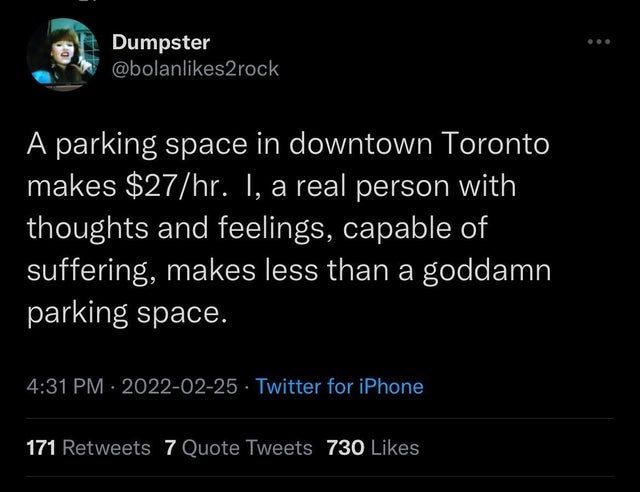
There are a limited number of people who can exist within working distance of any given space - doubly so in developed countries. The distinction is not so different as it seems at first. Supply and demand is constrained by physical realities - there is a reason why there was a great movement in the 1950s to increase the mobility of labor - because labor, even unskilled labor, is still immensely valuable in the right place. That there are more people in Bumfuck, Alabama, doesn't matter one whit to Toronto, Canada. That there is an (effectively) infinite amount of food that can be coaxed from the ground doesn't make food worthless - time, space, and demand all give it worth.
The issue is, labor is generally in a very poor negotiating position considering our needs as human beings and our limited resources with which we can sustain ourselves, whereas commodities and capital are generally owned by the rich, who have much more leverage to bargain with each other.