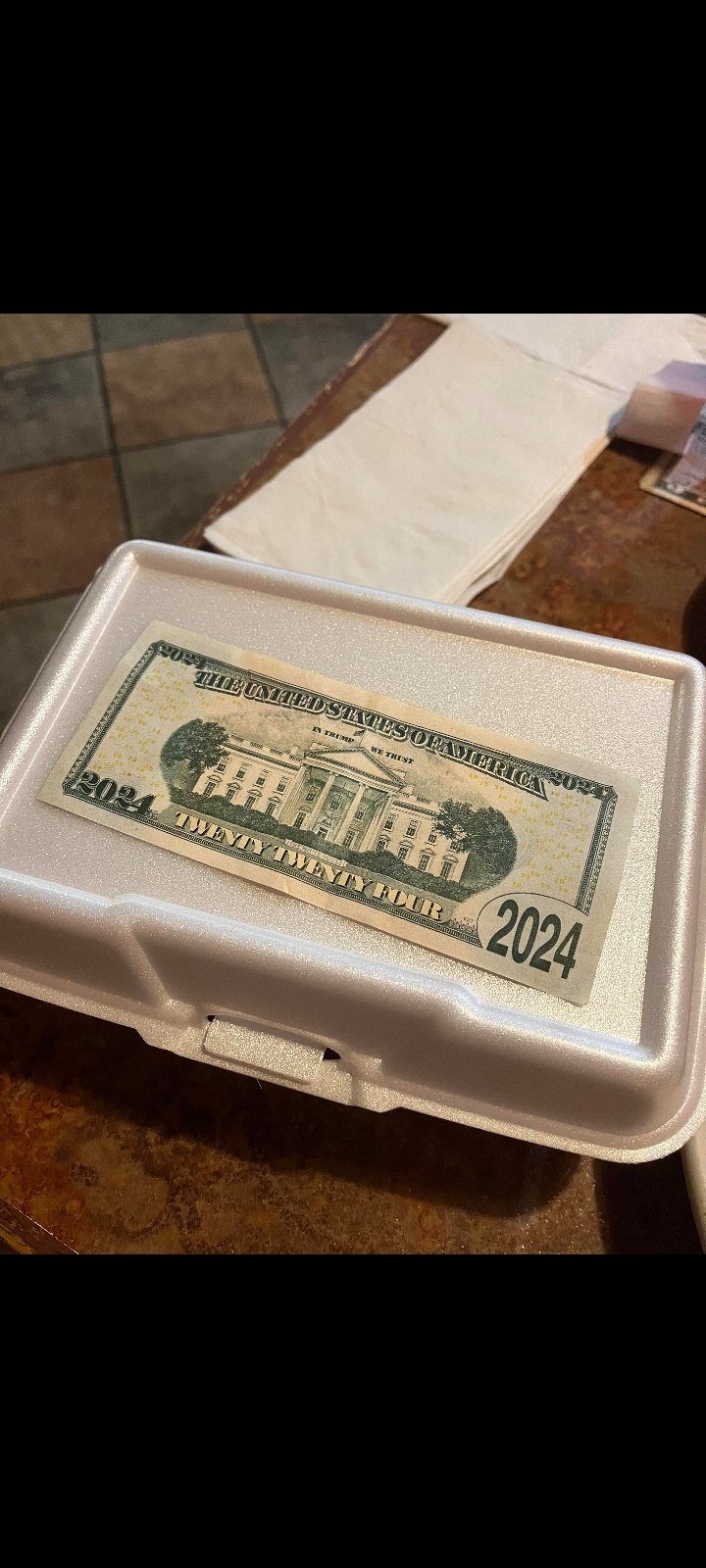
▲ 349 ▼ A new trend in tipping emerges (lemmy.world) submitted 3 years ago by STRIKINGdebate2@lemmy.world to c/mildlyinfuriating@lemmy.world 269 comments fedilink hide all child comments
[–] entropicdrift@lemmy.sdf.org 4 points 3 years ago* (last edited 3 years ago) (2 children) It actually started as an economic thing too, because businesses during the great depression weren't able to consistently pay living wages. Edit: I was wrong, see below permalink fedilink source parent hideshow 4 child comments replies: [–] Thorny_Thicket@sopuli.xyz 5 points 3 years ago It was originally a way to be able to hire black people and not pay them permalink fedilink source parent [–] nocturne213@lemm.ee 4 points 3 years ago It started much earlier than that and has roots in racism. https://time.com/5404475/history-tipping-american-restaurants-civil-war/ After the Constitution was amended in the wake of the Civil War, slavery was ended as an institution but those who were freed from bondage were still limited in their choices. Many who did not end up sharecropping worked in menial positions, such as servants, waiters, barbers and railroad porters. These were pretty much the only occupations available to them. For restaurant workers and railroad porters, there was a catch: many employers would not actually pay these workers, under the condition that guests would offer a small tip instead. permalink fedilink source parent
[–] Thorny_Thicket@sopuli.xyz 5 points 3 years ago It was originally a way to be able to hire black people and not pay them permalink fedilink source parent
[–] nocturne213@lemm.ee 4 points 3 years ago It started much earlier than that and has roots in racism. https://time.com/5404475/history-tipping-american-restaurants-civil-war/ After the Constitution was amended in the wake of the Civil War, slavery was ended as an institution but those who were freed from bondage were still limited in their choices. Many who did not end up sharecropping worked in menial positions, such as servants, waiters, barbers and railroad porters. These were pretty much the only occupations available to them. For restaurant workers and railroad porters, there was a catch: many employers would not actually pay these workers, under the condition that guests would offer a small tip instead. permalink fedilink source parent