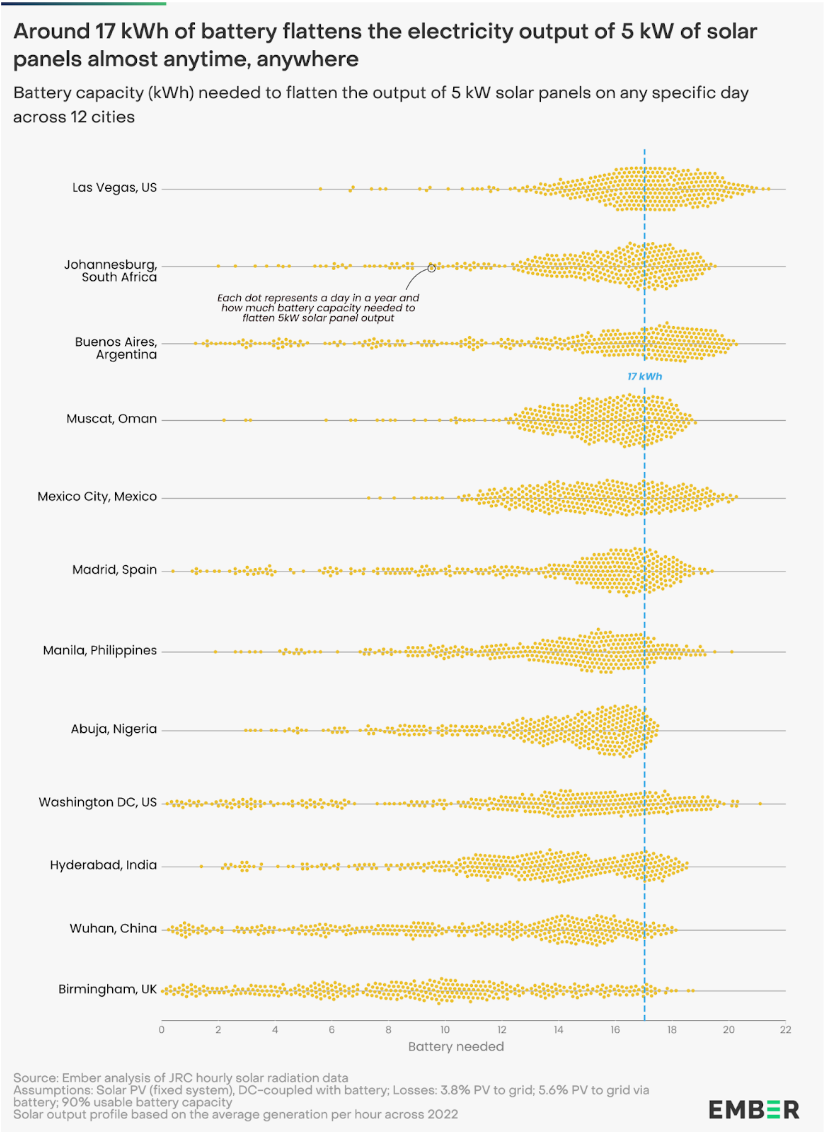
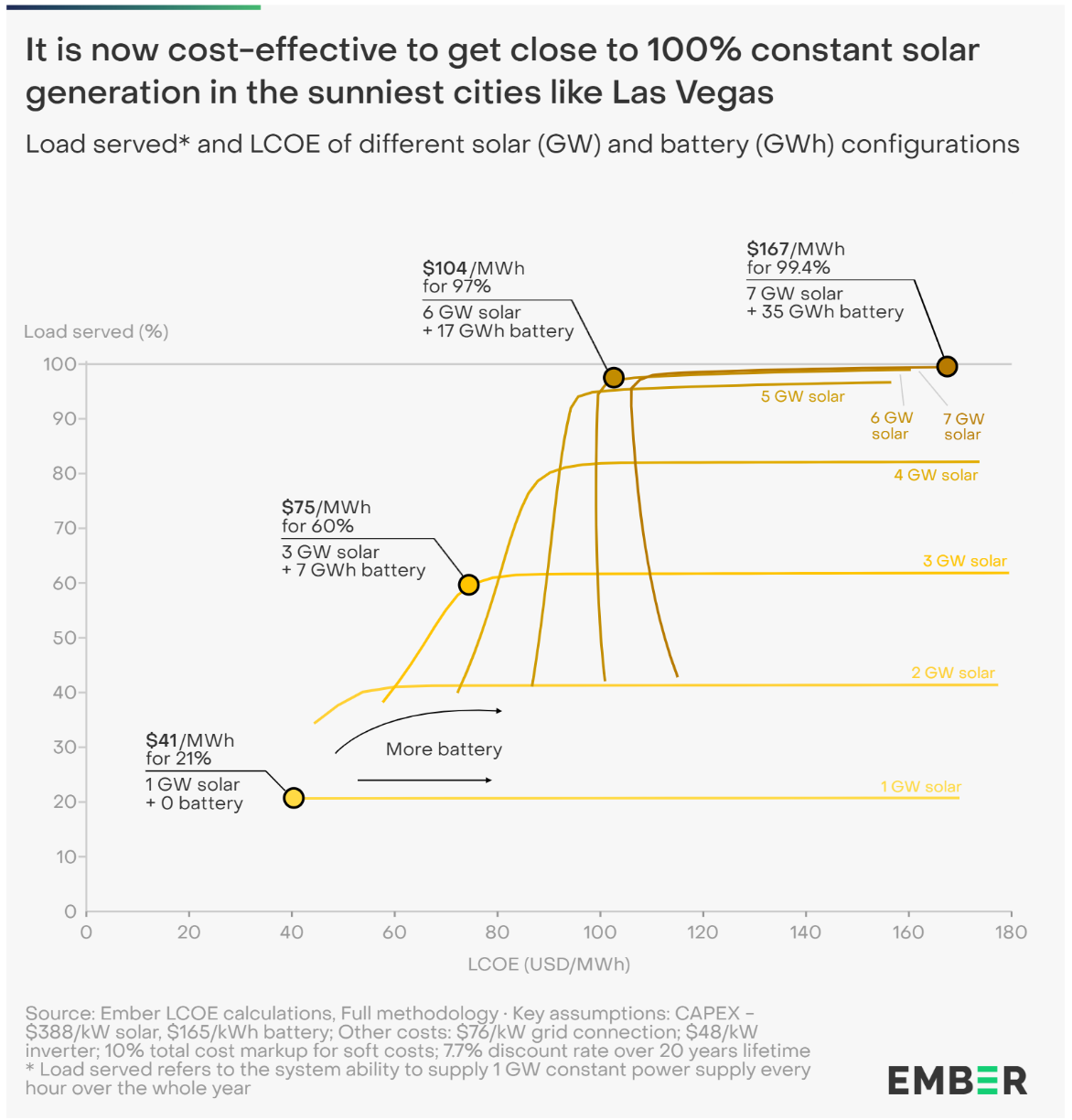
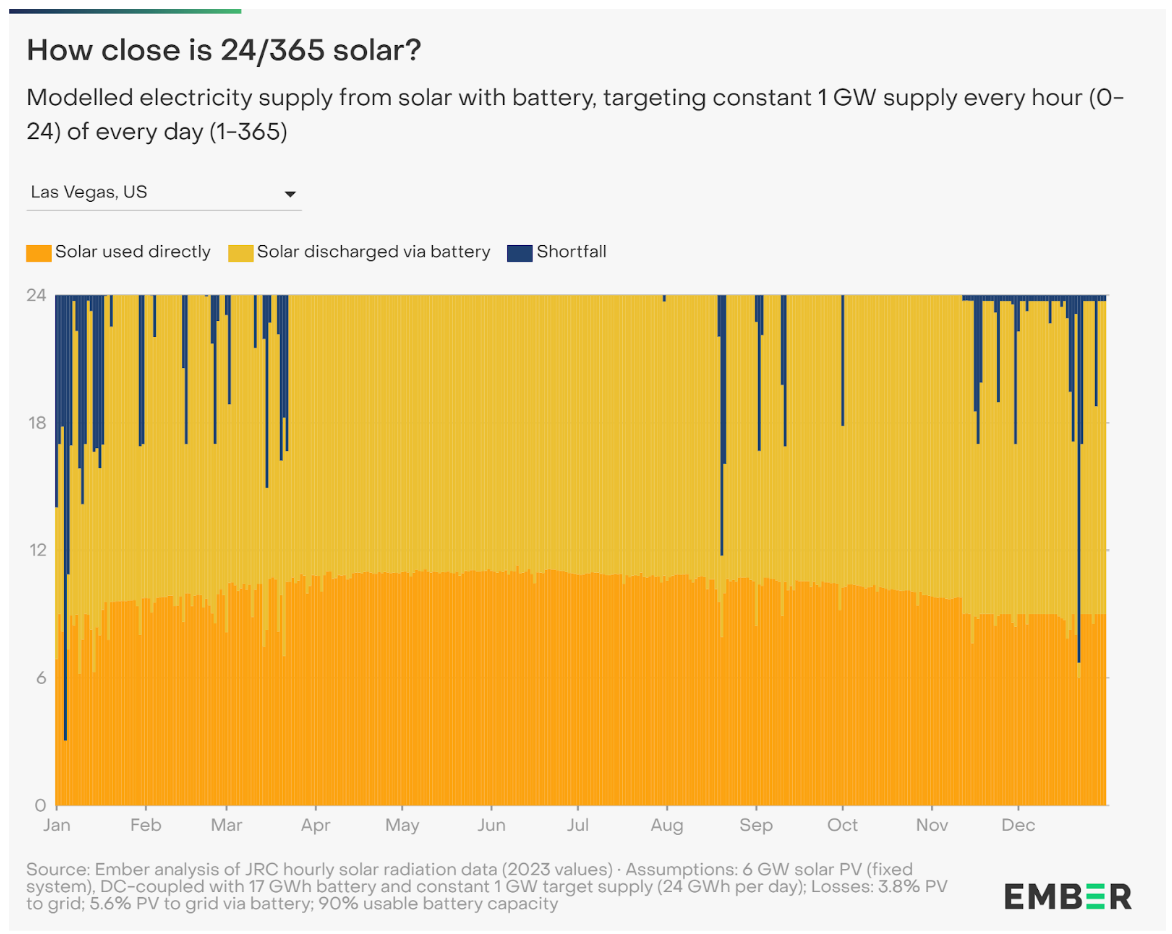
Some key insights from the article:
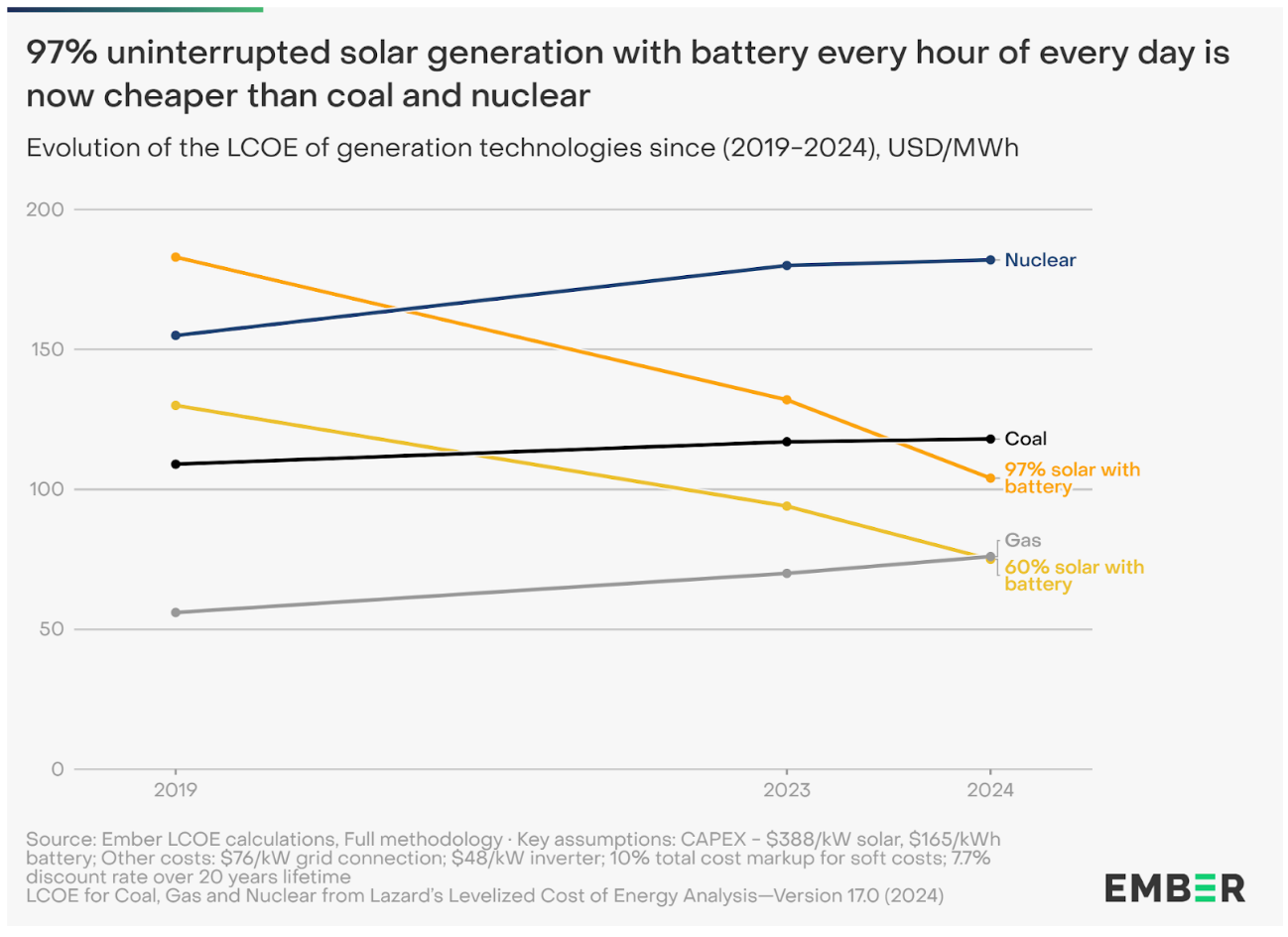
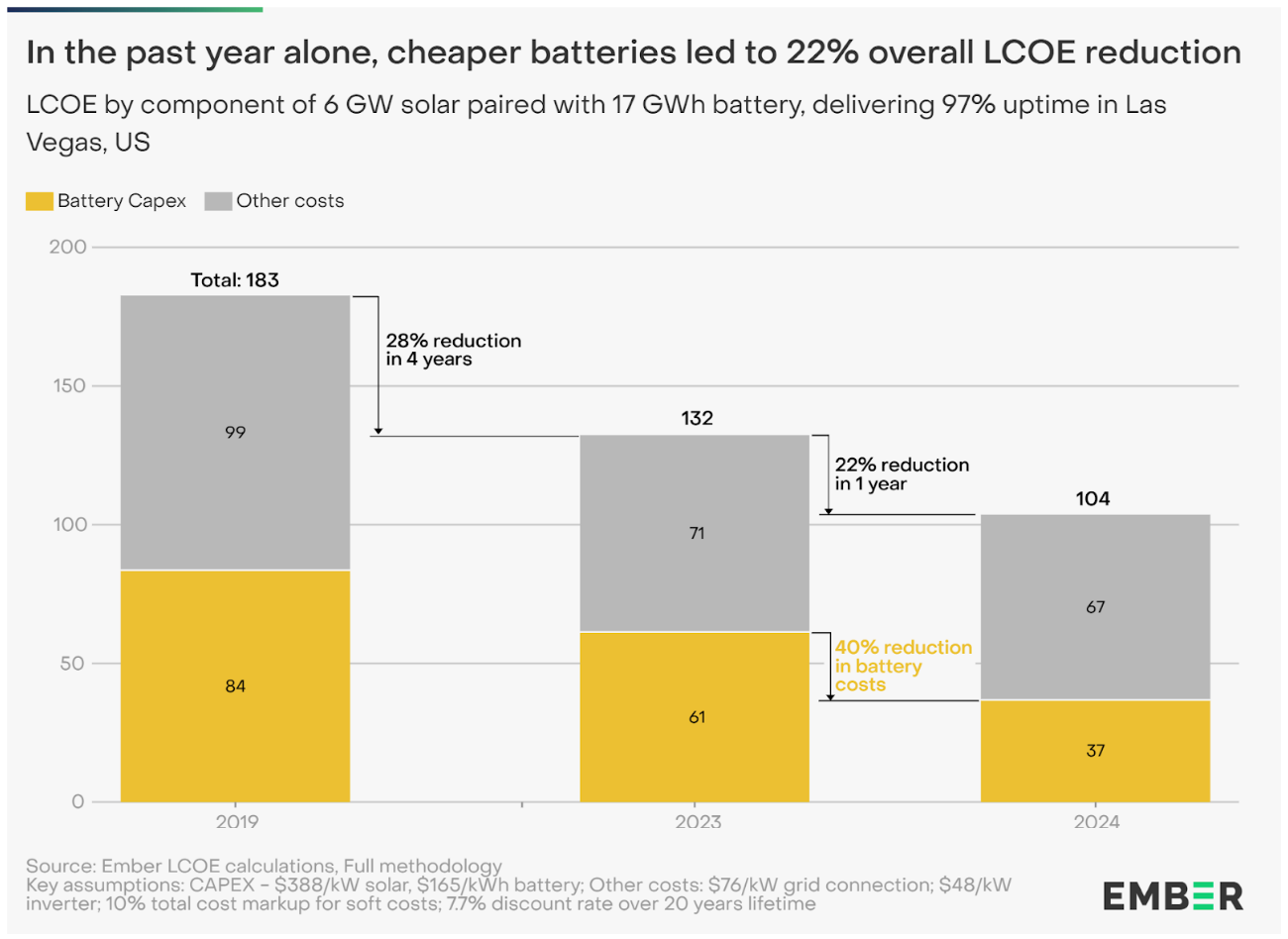
Basically, what they did was to look at how much batteries would be needed in a given area to provide constant power supply at least 97% of the time, and the calculate the costs of that solar+battery setup compared to coal and nuclear.

you are viewing a single comment's thread
view the rest of the comments
[–] 2 points 1 year ago (1 child)

62 percent could be 7 months all the time and 5 never right? So if those 4 months only get you 20% but the others give you ninety something. When I see that 62 I see it as over half the year it will work out good.

  • source
  • parent
  • hideshow 2 child comments
  • [–] 2 points 1 year ago (2 children)

    Yeah but that would not account for the electricity need: in winter we need between 1000/1300 kWh mainly for heating / domestic hot water. Other months under 250 even if we use air conditioning. So if you cover the 7 nice months you still get absolutely wrecked by the dreaded 4 in the winter cost wise…

  • source
  • parent
  • hideshow 4 child comments
  • [–] 2 points 1 year ago

    Yeah I was just explaining why I think the disconnect shows up between percentage and the number. Its why as you get to the end each percentage become significant as it means just a bit more insulation, batter size, panel efficiency, appliance efficiency might bridge the gap. You get in the nineties and its that one most brutal month that it can't handle.

  • source
  • parent