you are viewing a single comment's thread
view the rest of the comments
[–] 43 points 2 years ago (5 children)

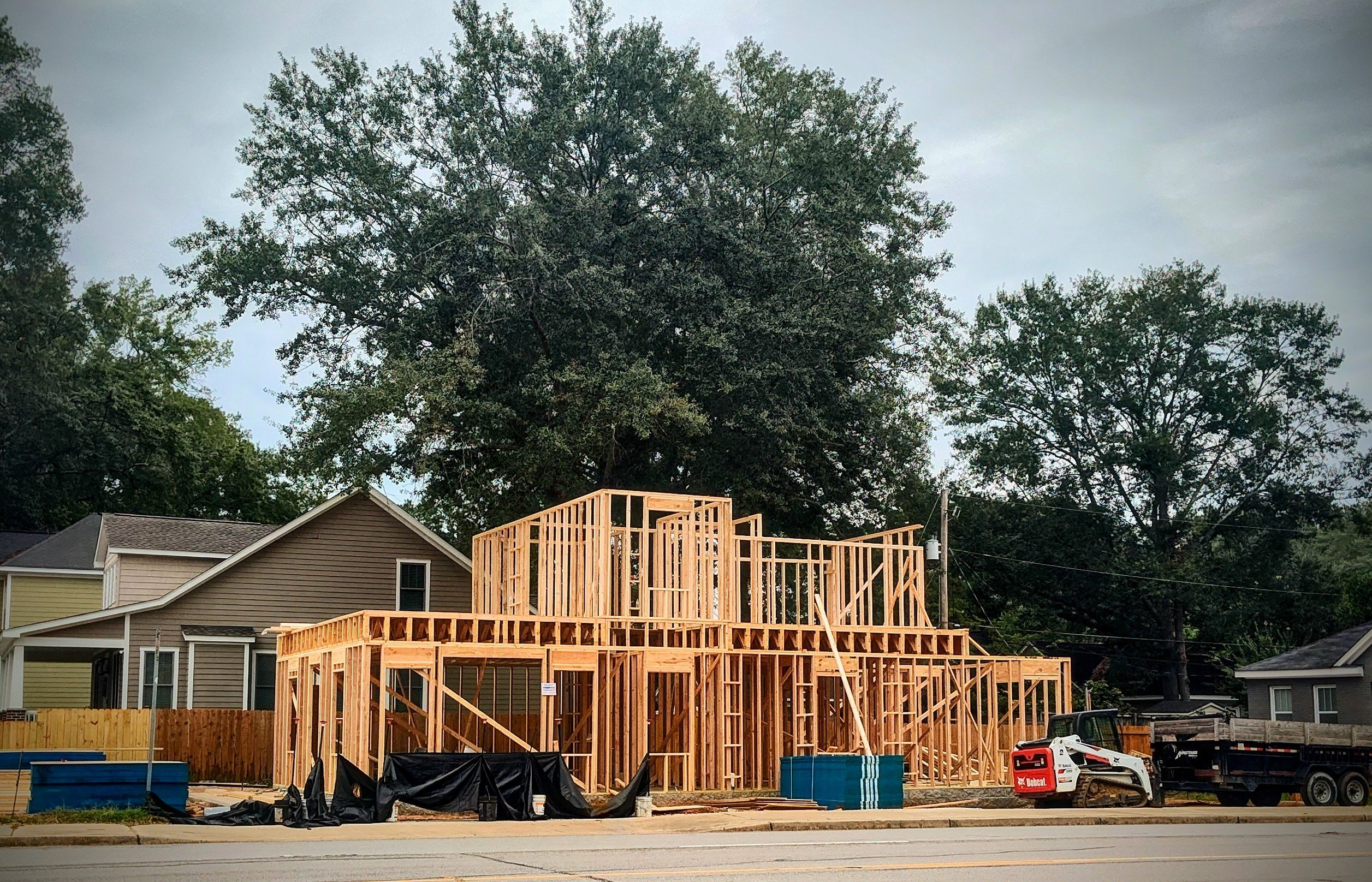
In California we use wood because it flexes during earthquakes. There may be damage during a big one but at least the house is less likely to collapse on you.

  • source
  • parent
  • hideshow 10 child comments
  • [+] 9 points 2 years ago* (last edited 2 years ago) (1 child)
  • [–] 5 points 2 years ago (1 child)

    isnt brick an excellent insulator?

  • source
  • parent
  • hideshow 2 child comments
  • [+] 4 points 2 years ago* (last edited 2 years ago) (2 children)
  • [+] 13 points 2 years ago* (last edited 2 years ago) (1 child)
  • [–] 2 points 2 years ago (1 child)

    In Europe we use reinforced concrete for the same purpose. Don't know if it works but it's the way it's done.

  • source
  • parent
  • hideshow 2 child comments
  • [–] 2 points 2 years ago (1 child)

    Wait, are earthquakes common in Europe?!

  • source
  • parent
  • hideshow 2 child comments
  • [+] -9 points 2 years ago (4 children)

    And also because there's no snow or serious rain. Took me years to get used to the flimsy houses here, they wouldn't last a year back in my country.

  • source
  • parent
  • hideshow 8 child comments
  • [–] 16 points 2 years ago (1 child)

    I don't know about that. I've lived in a typical "flimsy" American wooden house in an area that had a lot of crazy weather with extreme winds and even a couple of tropical storms. That house had absolutely no issue with those. These houses are a lot stronger than they look. They flex but don't break.

  • source
  • parent
  • hideshow 2 child comments
  • My house is 80 years old, I've personally seen 3 feet of snow on its roof, it weathered hurricane Fran with no damage, hurricane Matthew caused a leak around the chimney that stained my living room ceiling a little.

    I'm ready to take anything this area is willing to throw at me except tornadoes. A direct strike by tornado will pull it down.

  • source
  • parent
  • [–] 11 points 2 years ago (1 child)

    Canada also builds houses out of wood. There's pretty serious snow here and the houses work great.

    I also live in one of the the windiest cities in Canada . The asphalt shingles have blown off houses frequently, but the houses themselves are solid.

  • source
  • parent
  • hideshow 2 child comments
  • [–] -3 points 2 years ago* (last edited 2 years ago) (1 child)

    I'm pretty sure those wooden houses in Canada are built differently from wooden houses in California. The ones I've seen are thin wooden struts covered with some drywall.

    Edit: and just saying "flimsy" by comparison to the usual reinforced concrete structures back home. I now own a home in California and it's definitely solid.

  • source
  • parent
  • hideshow 2 child comments
  • [+] 1 point 2 years ago* (last edited 2 years ago) (1 child)
  • [–] 1 point 2 years ago*

    I know it is possible to build solid houses out of wood. The ones I'm talking about would 100% not withstand blizzards or tornadoes.

    Like most in my native country, I grew up in a building made entirely of solid reinforced concrete slabs, including most interior walls. I could not hear my upstairs or downstairs neighbors and when I saw people punching holes in the walls in American movies I thought it's just an exaggeration, not something that can actually happen. Wooden houses were culturally associated with poor rural people who couldn't afford living in a nice solid apartment. That culture persists today, and even in isolated villages new homes are built with concrete structures and brick walls.

    When I bought a piece of land and was looking at options for new houses, I found a company making very solid wooden homes (still a lot more solid than the average Bay Area home) for reasonable prices and both my and my wife's families were outraged at the idea of building a house out of wood.

    Just some random background to why I'd use the word "flimsy" for wooden struts sandwiched between drywall sheets.

  • source
  • parent