1
posts
2
3
4
5
6
7
8
cross-posted from: https://news.abolish.capital/post/65311
Amelia Schafer
ICT
MENOMINEE, Michigan – Stepping out of a traditional dugout canoe, called Maeqtek-ōs in the Menominee language, canoe creator Wayne Swett raised his fist high in the air and proudly proclaimed: “We made history.”
Until Wednesday, no one could remember the last time Menominee people paddled a dugout canoe down the Menominee River. That very question drove a group of Menominee water protectors, led by Dawn M. Wilber and Swett, to launch a dugout.
Since June 15, Wilber, Swett and several community members have camped on the banks of the river, burning, scrapping, debarking and sanding a 17-foot-long pine log into a traditional canoe. They did their work in the Chappee Webster Learning Center, a historic 1824 trading post located in their ancestral homelands in a place that is central to Menominee culture.
“[This] has been a long time coming,” said Oralann Caldwell, a Menominee and Anishinaabe elder who traveled over 60 miles from Keshena, Wisconsin, to attend. “It’s about time that door is reopened.”
To the north are Menominee burial mounds, a traditional dance ring and the largest Indigenous agricultural site in the eastern United States. To the south is the Menominee peoples’ birthplace, the mouth of the Menominee River where it meets Lake Michigan.
Two Menominees paddle a traditional dugout canoe around the Menominee River on July 15 as part of a historic journey to bring the traditional boat back to Menominee homelands. (Photo by Amelia Schafer, ICT)
“I am beyond excited,” Swett said. “The ancestors are happy. The river’s happy. The fish are happy. The creator’s happy. Everybody’s happy. I’m beyond happy because my work is done.”
The canoe’s construction took two weeks longer than scheduled, delayed by intense heatwaves gripping much of the Midwest. Overall, it took exactly one month to complete the massive boat.
“It was definitely a test because we had to deal with the heat, 100-degree heat,” Swett said. “We had to deal with storms. There’s times where we had to call a rain day and then a heat day. … It’s a weight off my shoulders.”
The canoe belongs to the community, Wilber said.
“I’m thinking about our ancestors, I’m thinking about what they did, how much time that they would put into stuff like this, and how they would sacrifice themselves because a canoe is communal,” Wilber said. “When it’s made, it doesn’t take ownership. It’s for everybody, everybody to use in the community. So it wasn’t just like yours or mine. That’s the purpose of it.”
Dawn M. Wilber, Menominee, smiles after successfully paddling a dugout canoe she helped create around the Menominee River on July 15. (Amelia Schafer, ICT)
Prior to launching, a group of roughly a dozen community members gathered for a water ceremony to send the canoe off properly. Following the ceremony, canoe creators Swett and Wilber climbed into the canoe to be the first to paddle it. To their surprise, there were absolutely no leaks in the canoe. It floated perfectly.
“I didn’t realize how emotionally beautiful it was. That’s what got me is the emotion,” said Wilber, who is Menominee. “Not just looking at her but feeling her and being able to give her her first drink today before we put her in the water.”
Wilber and Swett paddled the canoe around the river before allowing community members to take it for a spin.
Prior to colonization, countless Menominee families navigated the river in dugout canoes each day – as did countless other Indigenous families in the North American eastern woodlands.
Initially, Swett and Wilber said, they planned to take the canoe out on the eighth annual canoe journey organized by their group, Protectors of the Menominee River. However, because of weather-related delays, Swett stayed and continued to work on the canoe during the four-day journey.
Two Menominee citizens bask in the feeling of paddling a dugout canoe around the Menominee River, part of their ancestral homelands, on July 15. (Photo by Amelia Schafer, ICT)
After a solid month of carving, burning and shaping the pine log into a full-fledged canoe, the end result was far more beautiful than anyone had anticipated. The sanded and finished inside revealed silhouettes of different woodland animals, a sign of all the animals who interacted with the tree during its century of existence, said Caldwell.
“It’s like an imprint, a reflection to us,” Caldwell said. “The spirits of all those animals were out there. It’s a love, an honor, a respect. It’s a love for our culture, for our mother [earth].”
Menominee elder Oralann Caldwell and another community member take off paddling in the dugout canoe on July 15. (Photo by Amelia Schafer, ICT)
Caldwell said inside she spotted silhouettes of a wolf, a bear, a snake and a red-tailed hawk. Other community members pointed out different animal shapes as well, she said.
“The animals: birds, four leggeds, were all with us,” Caldwell said.
She said she and Wilber were struck by the sheer number of community members who supported them during their journey and helped work on the canoe.
“All of the love, all of the gratitude, all of the giving, all of the sharing, everybody, and just everything that everybody has done for us,” Wilber said.
Later this year, the Protectors of the Menominee River plan to use the canoe to harvest wild rice, Wilber said.
“We are the original caretakers of the land, and we’re still doing it,” Caldwell said.
Cedar Fernandez, Menominee, smiles as they paddle around in a traditional dugout canoe. Canoes like these were used by their Menominee ancestors for thousands of years. (Photo by Amelia Schafer)
The post ‘We made history’ – Dugout launch first in recent memory appeared first on ICT.


From ICT via This RSS Feed.
9
As climate and conflict collide, Indigenous leaders confront overlapping crises at the UN
(ictnews.org)
cross-posted from: https://news.abolish.capital/post/65059
This story was originally published by Grist.
Te Aniwaniwa Paterson & Dionne Phillips
GristThis story is published through the Indigenous News Alliance.
Although it’s been nearly 20 years since more than 100 countries adopted the United Nations Declaration on the Rights of Indigenous Peoples, the rights and lives of those it is meant to protect remain under constant threat from compounding crises. Indigenous lands are battered by record-breaking storms, dessicated by drought, and vanishing under rising seas. Amid these climate-driven threats, Indigenous peoples continue dying by the hundreds in wars and while defending their lands, even as they are persecuted by government officials.
“Climate change, militarization, extractivism, and legal marginalization reinforce one another,” said Binota Moy Dhamai, who is Tripura from the Chittagong Hill Tracts in Bangladesh, and a former chair of the United Nations Expert Mechanism on the Rights of Indigenous Peoples, or EMRIP.
This week, hundreds of Indigenous delegates gather in Geneva at the 19th annual gathering of that United Nations body to discuss implementing solutions to these abuses and push all countries to more proactively protect Indigenous peoples everywhere.
EMRIP, one of three U.N. organizations focused exclusively on Indigenous peoples, is composed of seven Indigenous experts, each representing a different region. As part of the U.N. Human Rights Council, they focus on developing the data, recommendations, and advice to shape international standards regarding the fundamental rights of Indigenous peoples and support their enforcement.
This year’s session will see Indigenous leaders, governments, and experts come together for a week of discussions and debates. The week’s meetings will cover both longstanding and emerging issues, including inadequate disaster relief, artificial intelligence, and resource extraction. For many Indigenous leaders around the world, the stakes could not be any higher, given the overlapping existential threats of violent conflict and climate change.
“Indigenous peoples always face the brunt of conflict,” said Valmaine Toki, who is Māori and the EMRIP member representing the Pacific region. Conflict, she said, leads to the dispossession of, and alienation from, their traditional lands even as the people from whom they are stolen are drawn into those fights. “It’s a lose-lose situation for Indigenous peoples on all fronts.”
This year, those meeting in Geneva face a growing list of intersecting issues, including militarization, climate change, exploitation by extractive industries, biodiversity decline, shrinking civic space, and digital transformation, Dhamai said.
For Indigenous peoples in the Pacific, for instance, climate change and colonization are inextricably linked. Those from the South Pacific nation of New Caledonia have been part of the Pacific-led effort to hold large countries responsible for the climate crisis and its impact. Viro Xulue is Kanak and the Human Rights and Indigenous Rights advisor for the Drehu Customary Council, which is a traditional Kanak governance body. He said such work is part of the ongoing fight for true independence. “It’s important for us in the process of decolonization because it’s to respect the self-determination and what we want for our future, what we want for our children, and what we want to protect our resources, our moana, and our dream for the next generation,” Xulue said.
Despite legal victories like an International Court of Justice advisory opinion that said the countries contributing to climate change are accountable for the damage it has caused, the Indigenous people of New Caledonia continue fighting for their inherent rights. “The inequity for Kanak people is always here since 170 years of colonization,” Xulue said. “The injustice is always here for the Indigenous Kanak. They didn’t resolve the problem of the colonization and the impact of the colonization.”
Although the challenges facing Indigenous peoples vary across regions, those attending EMRIP plan to discuss several common themes. One of them is the ongoing fight for Indigenous involvement in government decision-making. Many countries do not follow international standards, and there is widespread agreement among Indigenous peoples that say they should be consulted and included in discussions that could impact them and their land.
In northern Ontario, for example, the Canadian government has granted mining rights on the vast wetland ecosystem known as the Breathing Lands. It is part of the Ring of Fire mineral deposit and holds enormous stores of nickel and other metals. It is also a massive carbon sink and a key biodiversity hub. Extraction projects are proceeding despite strong resistance from First Nations in the area, including the Nishnawbe Aski Nation, that represents 49 communities. Kohen Mattinas of Lac Seul First Nation and Constance Lake First Nation is representing Nishnawbe Aski Nation at EMRIP and says that the right of all Indigenous peoples to free, prior, and informed consent must be respected.
Mattinas is also the co-founder of Okiniwak, a youth organization created in 2025 in response to Canadian legislation that allows projects to be “advanced through an accelerated process.” In addition to its international advocacy, Okiniwak organizes rallies in Indigenous communities and at legislative buildings. “We’ve taken it upon ourselves to protect the land and our rights on the front lines,” he said.
For Mattinas, attending EMRIP is an important part of that work. “Through speaking at these international forums, we’re also able to connect with other Indigenous people around the world who are either facing the same things, or they face similar things, and we just kind of learn from each other, bring back that knowledge home, or we are able to collaborate in ways to strengthen both of our messaging or our work,” he said.
Those connections can be even more valuable for Indigenous people from countries that do not recognize their legal status, like Botswana. Nichodimas Cooper, who is Indigenous Nama from that nation, said that lack of recognition makes it difficult to bring change on the national level. Cooper said his people face forced assimilation and displacement, and EMRIP offers a unique opportunity to pressure countries to respect their inalienable rights. “We find it as a very important platform that empowers Indigenous peoples like us,” he said. “We hardly have such a privilege as Indigenous communities to resource ourselves to attend these platforms and be able to inform ourselves on the mechanisms or platforms that are able to make impact within our advocacy’s hope.”
But as Indigenous delegates continue building solidarity, new threats, like artificial intelligence, are emerging. That has led to a push for data sovereignty and stronger protections against technologies being developed without free, prior, and informed consent.
Dhamai said he hopes EMRIP will provide guidance on these mounting issues, alongside climate finance and the global energy transition, because Indigenous perspectives must shape international standards rather than respond to them.
This year’s session is also expected to be shaped by reflections on the approaching 20th anniversary of UNDRIP next year. Nearly two decades after the declaration’s adoption, the central question facing delegates remains remarkably similar to the one asked in 2007: not whether Indigenous rights should be recognized, but whether governments are prepared to uphold them.
The post As climate and conflict collide, Indigenous leaders confront overlapping crises at the UN appeared first on ICT.

From ICT via This RSS Feed.
10
11
12
cross-posted from: https://news.abolish.capital/post/59215
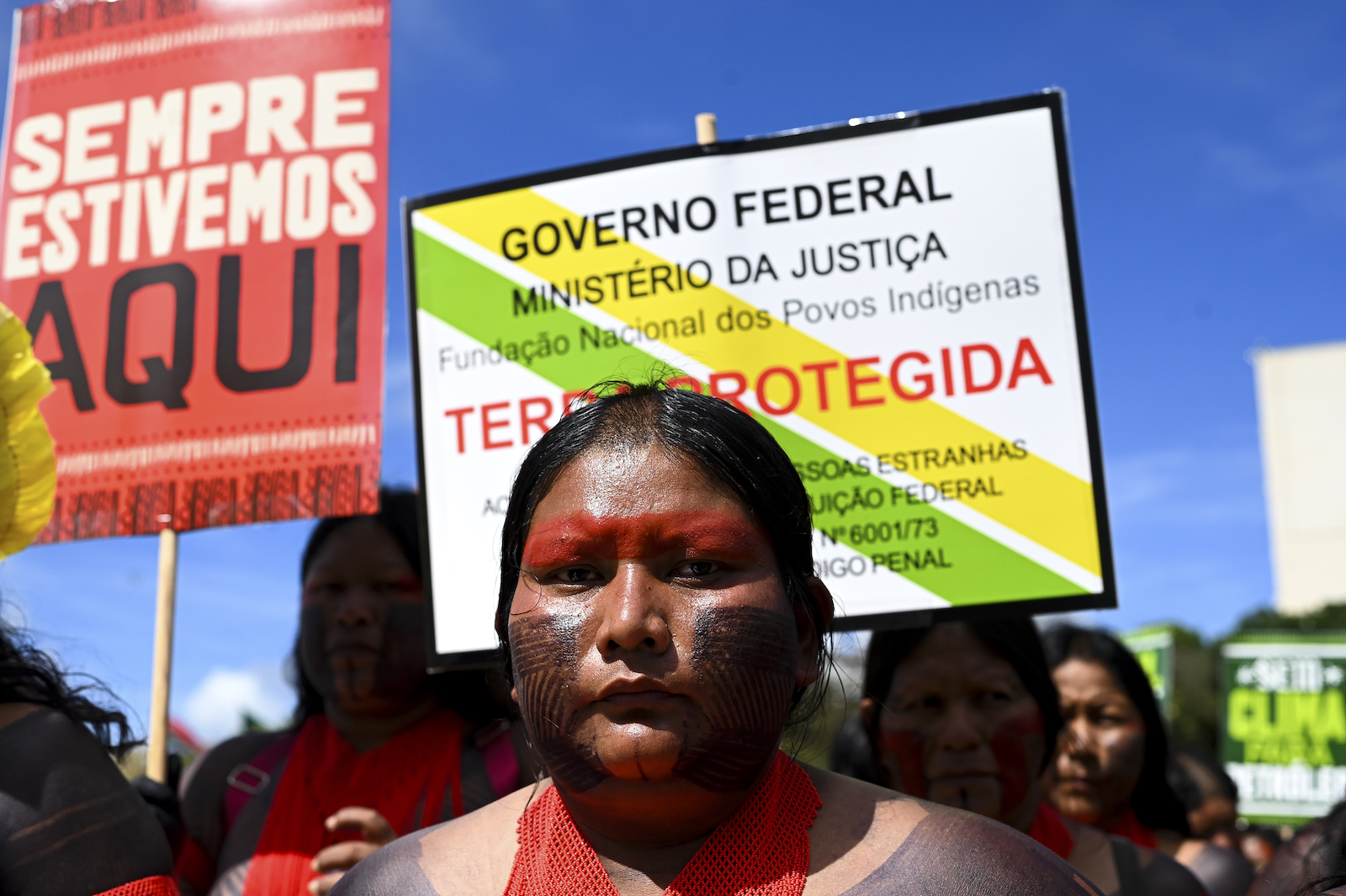
As the impacts of climate change continue to escalate, a growing number of climate scientists and policymakers cite Indigenous lands as a model for their rich biodiversity and effective carbon storage. But that recognition has not always translated into space for Indigenous leaders in climate negotiations, access to climate resilience funding, or enforcement of human rights standards.
That has been the case for decades. But the problems do not stop there. New research shows that approach overlooks the key role that Indigenous knowledge and culture can play in mitigating climate change. It also reveals a dangerous misconception that has taken hold in global climate discussions: the idea that Indigenous lands are so rich because they are remote or sparsely populated.
Nothing could be further from the truth. The health of Indigenous lands and their ability to store vast quantities of carbon stem from the stewardship of the people who inhabit them.
That’s the finding of research from Conservation International, which shows that traditional knowledge, community protocol, and Indigenous culture play a direct role in protecting forests, wildlife, and the environment. Sushma Shrestha, who is Indigenous Newar from Nepal and the study’s lead author, said the research comes at a critical time.
“All of humanity relies on everything that Indigenous peoples have to contribute and offer in terms of their lands, in terms of carbon storage, in terms of biodiversity conservation,” she said.
The study, released as a narrative report and a peer-reviewed study, explores how Indigenous knowledge and practices benefit the planet. It also found that all 43 of the surveyed communities are experiencing drought, extreme weather, and other adverse impacts from climate change. More than half are affected by extractive industries like mining and logging.
Researchers interviewed 49 Indigenous leaders from six continents about how they steward their land, which ranged from the Amazon rainforest to East African savannas and Pacific Islands. They found that traditional management practices like avoiding overfishing, maintaining sacred spaces, watching for fires and other threats, and direct resistance against extraction contribute to the remarkable health of Indigenous territory. Ninety-six percent of respondents said they had land set aside for special uses, like spiritual practices, that also benefit the environment by protecting those spaces and ecosystems. Shrestha stressed that although each Indigenous community is distinct, there are shared lessons the entire world can learn from.
“It’s a time where all hands need to be on deck,” Shrestha said. “And collectively, actions need to be taken, and indigenous peoples have been doing this on their own for a very long time.”
The study builds on years of research that shows, among other things, that the world’s healthiest forests are on Indigenous lands and conservation efforts are more effective when they incorporate Indigenous autonomy and decision-making at every step.
Read Next
The key to better climate outcomes? Respecting Indigenous land rights and autonomy.
Drought and extreme weather were the top climate impacts cited, but 61 percent of those interviewed also called mining, commercial agriculture, logging, and other incursions serious concerns. These issues threaten to disrupt land stewardship practices that have endured for millennia. To help mitigate these challenges, Indigenous peoples are asking for mitigation and resilience funding, legal advice for protecting their territories, and recognition of national and international land rights.
“Indigenous Peoples’ Knowledge cannot exist without Indigenous Peoples or without the ecosystems where we live,” Hindou Oumarou Ibrahim, who is Indigenous Mbororo from Chad and a former chair of the United Nations Permanent Forum on Indigenous Issues, wrote in a forward to the report. “To protect our knowledge, there is an urgent need to recognize us, and our rights and lands must be secured.”
Respondents from a wide range of countries, including Bolivia, Mexico, and the Philippines, mentioned using community monitoring or patrols to protect their land from outsiders and violations of traditional protocol. Several also called for stronger legal protections to protect their lands from being sold or developed.
Shrestha, Ibrahim, and other Indigenous experts said that as much as Indigenous peoples are asking for help, they are also urging the world to learn from them. The Kichwa people in Ecuador, for example, restrict hunting of female tapirs and other animals to help slow population decline. The Tacana people in Bolivia, among others, do not permit tree clearing along rivers, which helps maintain water quality and prevent erosion. The list goes on, and could help the rest of the world mitigate climate change and protect the environment.
“It is my hope the voices of the sisters and brothers from all over the world reflected in this report trigger the action we need for the planet we all want, the action we need for Indigenous Peoples Knowledge to flourish, and honor our grandparents and our children that are yet to come,” Ibrahim said.
Given the scale of the threats facing the world and the urgency with which they must be addressed, Shrestha said that policy changes and enforcement of Indigenous land rights is more important than ever. She also stressed that these actions will benefit the entire world. “One thing that everybody can do, whether that is at the national level, or at the global level, is to really secure indigenous peoples’ rights to lands,” she said.
This story was originally published by Grist with the headline Indigenous cultural practices are a climate solution, report finds on Jun 24, 2026.
From Grist via This RSS Feed.
13
Canada’s new water bill backtracks on recognizing human right to water for First Nations
(thenarwhal.ca)
cross-posted from: https://news.abolish.capital/post/57378
Photo: Christopher Katsarov Luna / The Canadian Press
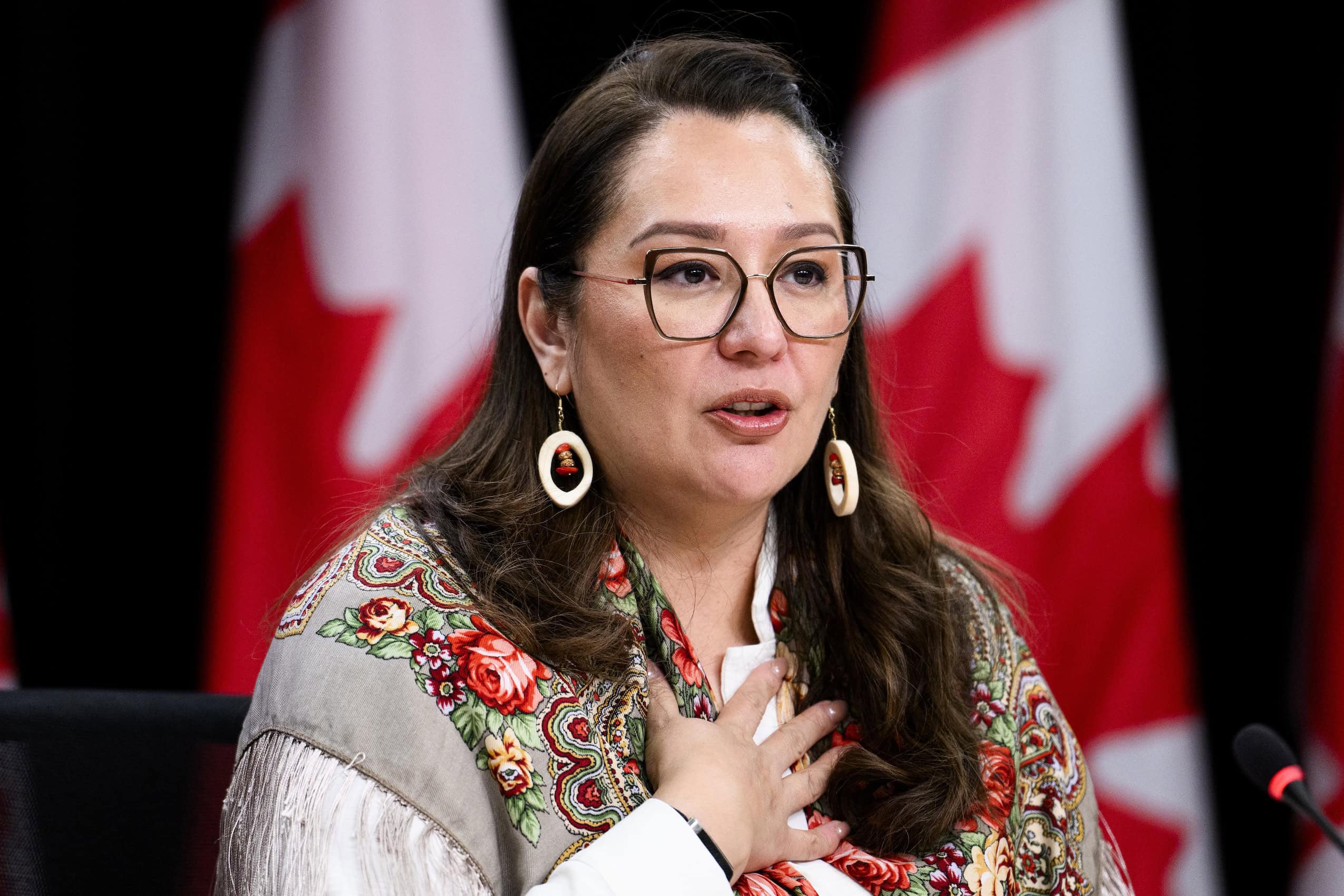
Federal Minister of Indigenous Services Mandy Gull-Masty has unveiled a new and long-awaited bill to provide safe drinking water to First Nations, which she says was written to ensure “we have provincial partners at the table.” Ontario chiefs say they were shut out and their right to clean water was not recognized.
Gull-Masty denied her government caved to provincial pressure in Bill C-37, or An Act respecting water, source water, drinking water, wastewater and related infrastructure on First Nation land, that sets out principles to provide safe drinking water and disposal of wastewater for First Nations.
“My conversations with leadership and the chiefs that have spoken to me understand that we are trying to pass a bill that is going to be protected and stand the test of time,” the minister said at a press conference on Parliament Hill on June 16.
“I’m not trying to put a bill forward that is going to be challenged,” she said. “I’m trying to put a bill forward that partners, provinces and territories feel can advance, that they can work with us.”
Minister of Indigenous Services Mandy Gull-Masty has denied the federal government caved to pressures from the Ontario government in creating Bill C-37, saying the bill was generated after consultation with First Nations leaders. Photo: Spencer Colby / The Canadian Press
The Chiefs of Ontario, however, say First Nations were not consulted in the process. The group is “cautiously optimistic” but remains concerned about the approach to this issue by the government of Prime Minister Mark Carney.“Unlike previous legislative efforts, which were developed through meaningful dialogue and partnerships with First Nations Knowledge Keepers [and] technicians, Bill C-37 was introduced without broad or meaningful input from First Nations,” Linda Debassige, Anishnabek Nation Grand Council Chief, and a member of the Chiefs of Ontario leadership council, said in a Tuesday press conferencein Rama, Ont.
“Our letters of advocacy have been met with a deafening silence, to be honest. We do not have access to parliamentary privileged dialogue or cabinet discussions in relation to this.”
It’s been over a year since the Liberal Party promised in their election platform to “immediately introduce and pass legislation affirming that First Nations have a human right to clean drinking water.” In the last six months, two First Nations in northern Ontario have declared severely worsening water crises due to failed infrastructure; one of the communities, Kashechewan, remains entirely evacuated.
The bill released this week states that the quality of water on First Nations lands must at minimum meet either federal guidelines for Canadian drinking water quality and for wastewater, or the standards in place in the province or territory where the lands are located.
The minister will also have to come out with regulations for a “protection zone,” which the bill leaves undefined. The use of these zones would hand First Nations jurisdiction over water sources adjacent to their lands — that is, if the nation and the federal and provincial governments have all agreed on the rules in force.
“We have to acknowledge that [water] is not stagnant, it moves around,” Gull-Masty said. “For water that is adjacent or flowing in and out, I think that the important part of the work that we’re undertaking is that partners and territories understand that they also have a role to play.”
In addition to defining “protection zones,” the bill empowers the minister to come out with regulations on a dozen different aspects of water services, including source water protections, training and certification, occupational health and safety, monitoring and inspections, emergency planning, permitting and more. The government can even design regulations to govern the disclosure of information.
But the bill doesn’t commit to the same kind of rights language that the Liberals promised in their platform. Instead, it declares that the government’s policy is to “further the progressive realization, for individuals on First Nation lands, of the human right to safe drinking water as protected by the International Covenant on Economic, Social and Cultural Rights.” That covenant is a multilateral treaty adopted by the United Nations that came into force in the 1970s.
Grand Chief Linda Debassige of Anishinabek Nation said the new water bill was developed without meaningful dialogue or input from First Nations. ”Our letters of advocacy have been met with a deafening silence.” Photo: Spencer Colby / The Canadian Press
“To me, [this] is insane,” Debassige told reporters. “It’s been a progressive realization for many of our nations for decades.”
Debassige has been working on First Nations water issues for more than a decade and has been involved in negotiations over previous federal bills on the matter.She said that by excluding language like “in collaboration with First Nations” in Gull-Masty’s new legislation, the Carney government is “hiding from their obligations.”
“We must remember that most of the drafters of Bill C-37 have never spent time in our community,” she said, citing the speedy passage of the federal Bill C-5 and the provincial Bill 5, both of which aim to “fast-track” infrastructure and mining approvals and construction. “And we’ve seen the pushback on the previous iteration of this bill. And now we see the results of that weakening of our inherent rights to pave way for economic development.”
“I think it’s a deflection of responsibility, a fear of provinces, a fear of nation-building projects not coming through because our nations want to protect water.”
The bill comes as tensions grow over these issues between the federal government, provincial governments and First Nations.
Some chiefs, particularly in Treaty 8 territory, which spans northern B.C., Alberta and parts of Saskatchewan and the Northwest Territories, asked the federal government to rethink its approach. Sturgeon Lake Cree Nation’s chief said the bill didn’t meaningfully incorporate inherent and Treaty Rights to water while Mikisew Cree First Nation’s chief said that bill didn’t do enough to deal with the potential release of oilsands wastewater into rivers.
Last July, the environment ministers from Ontario and Alberta asked the federal government to “refrain” from introducing a new First Nations water bill, claiming it would “undermine competitiveness, delay project development and disproportionately harm specific provinces and territories without any quantifiable benefits to the natural environment.”
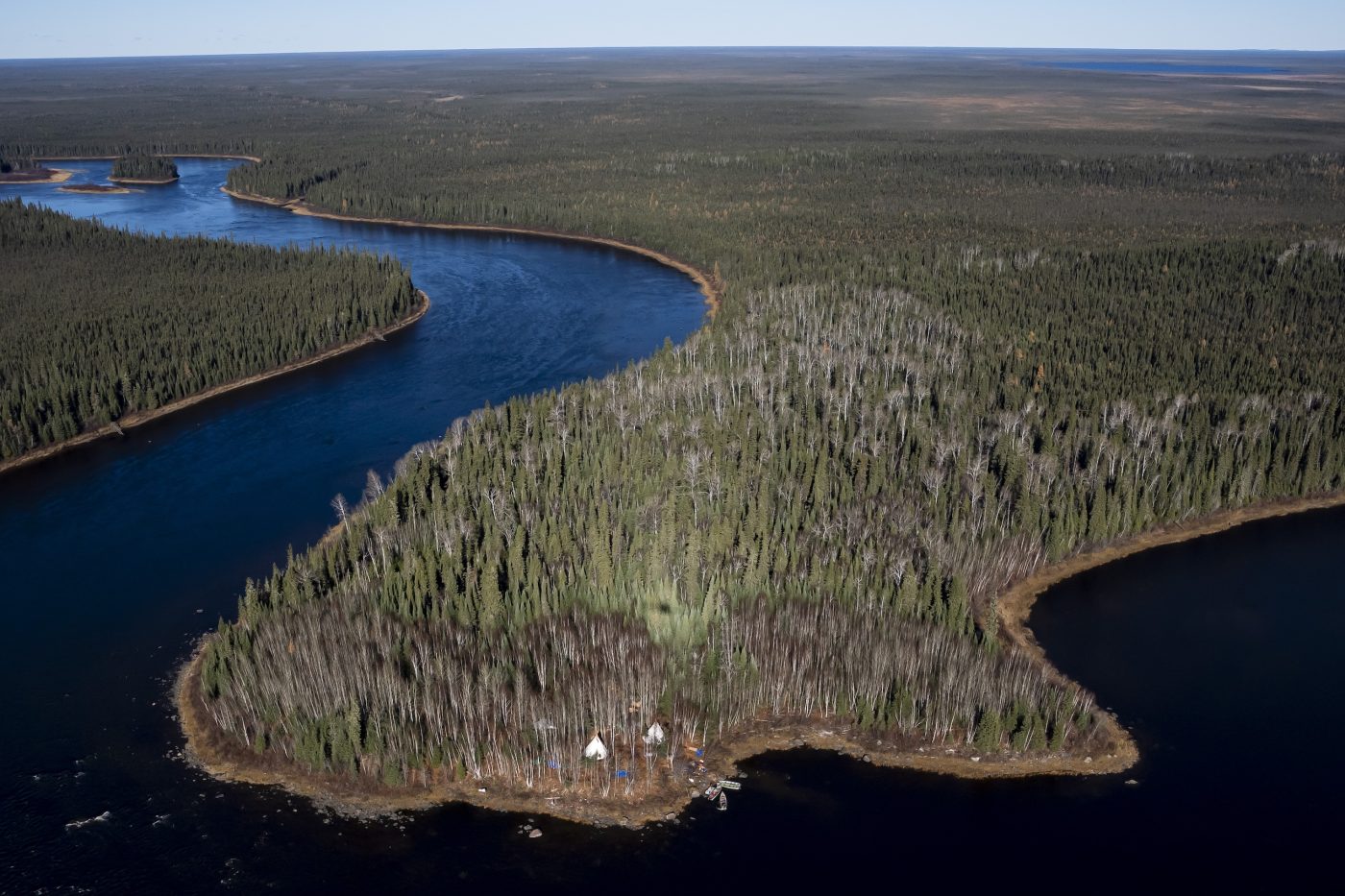
Areas like northern Ontario’s Ring of Fire region, which are facing a push for fast-tracked resource development, represent crucial sources of water for local First Nations. Photo: Christopher Katsarov Luna / The Canadian Press
Ontario’s Environment Minister Todd McCarthy apologized for any “confusion” the request may have caused First Nations. But First Nations have not been convinced by the apology. The Ontario government has skirted meaningful consultation with First Nations in its push to open the Ring of Fire region in northern Ontario, with significant implications for water use and sources, and broadly speed up mining approvals and development. It has also signalled its own plans to make broad changes to provincial clean water rules.
As Canada and Ontario rush to expedite major projects, including in the mining sector, First Nations have long been asking for the same expediency to pass laws to protect drinking water before shovels hit the ground. With a few days left before MPs are scheduled to rise for the summer, this bill is unlikely to become law before the fall.
“I wish one of Canada’s major projects were to provide us clean drinking water,” Knowledge Keeper Sally Gaikezheyongai said, as she offered a prayer to begin the Tuesday press conference by the Chiefs of Ontario. “I ask the Creator to make sure that happens hopefully within my lifetime.”
Why does Canada need a law to protect access to clean drinking water on First Nations?
Indigenous Services Canada reports that there are 36 Indigenous communities that have been under orders for more than a year to boil their drinking water for one minute. Most of these communities are in Ontario. The longest-standing boil water advisory is for Neskantaga First Nation in northern Ontario, just south of the Ring of Fire region. It hasn’t had clean drinking water since 1995. (The federal count is not comprehensive, as some jurisdictions, such as B.C., track their own boil-water advisories in Indigenous communities.)
Prime Minister Justin Trudeau promised to end all these boil-water advisories by March 31, 2021, but did not succeed. Post-colonization, and as stated in the Indian Act, the federal government has a fiduciary obligation to ensure safe, potable drinking water for First Nations. Instead, there is a regulatory black hole for and chronic underinvestment in on-reserve water and wastewater services.
A month before Trudeau’s deadline, a government audit found that Indigenous Services Canada “did not provide the support necessary to ensure that First Nations communities have ongoing access to safe drinking water,” thus prolonging boil water advisories.
The impacts of these failures are severe, including preventable illnesses, costly reliance on bottled water and long-term evacuations.
Kashechewan First Nation, a community of 2,000 residents, has been entirely evacuated since January due to a catastrophic sewage pump failure. There is still no access to safe drinking water on their reserve.
In May, Pikangikum First Nation declared a second state of emergency, a year after the original declaration, due to collapsing water and wastewater systems. The community’s only water treatment plant is operating beyond capacity, even as more than 300 homes remain without direct water service. The community’s reservoir is also at critically low levels and is losing water at a rate roughly four times greater than it can be filled.As a result, the nearly 4,000 on-reserve residents are dealing with daily water rationing and forced evening shutdowns. As wildfire season looms, Pikangikum is now suing the federal government.
“It’s so important that we take action as a country, as First Nations leadership, to ensure that there are no more Kashechewans, that there are no more Pikangikums,” Grand Chief Alvin Fiddler of Nishnawbe Aski Nation, told reporters.
“It’s unacceptable that this is a reality that many of our communities are being put in: to try to negotiate on big, major nation-building projects while they’re trying to make sure that their children and their youth can have access to water to drink.”
Why is the federal law to protect clean drinking water on First Nations so delayed?
There have been different iterations of this legislation, Kathleen Padulo, director of environment for the Chiefs of Ontario, told The Narwhal in a conversation before Bill C-37 was released, but none have proved durable.
Since the 1970s, the federal government has been promising to provide Indigenous communities with water and wastewater systems equal to those enjoyed by most Canadians, but no matter which party is in power, it has continuously fallen short of that goal.
In 2013, the Stephen Harper government passed the Safe Drinking Water for First Nations Act. This law created a regulatory regime to govern water infrastructure on First Nations lands, but without any financial backing or centring Indigenous decision-making or rights. It also didn’t protect the sources of water flowing onto First Nation lands.
“It had no teeth, and it was really watered down,” Paduro said. “It was a piece of paper just floating around for years.”
Federal governments have been making promises to offer adequate water infrastructure to First Nations for decades, but have continued to fall short on this commitment. Photo: Vanessa Tignanelli / The Narwhal
As a result, this law was met with widespread disapproval from First Nations. Several, including Neskantaga, launched a class action lawsuit in 2019, claiming “Canada has been negligent, breached its fiduciary duties, breached the honour of the Crown and breached various rights under the Canadian Charter of Rights and Freedoms.”
Ottawa settled that lawsuit in 2021, agreeing to provide $1.8 billion in compensation and spend $6 billion on water infrastructure over nine years. The federal government also promised to repeal and replace the Conservative law.
That didn’t happen until 2023 when the Trudeau government introduced Bill C-61, or the First Nations Clean Drinking Water Act. The landmark bill involved First Nations in its creation, doing so over a two-year-long consultation and co-development process. This bill established clean drinking water as a human right, set minimum standards for drinking water and wastewater on reserves and pledged funding for water-related infrastructure. This bill also created an Indigenous-led First Nations Water Commission to help implement the law and monitor its impact.
After weeks of consultation with First Nations, the bill did not pass before Parliament was prorogued in January 2025. Then-Indigenous services minister Patty Hajdu said the delay was the fault of opposition parties.
Paduro said they’ve been waiting for this bill to reemerge and be passed “with the speed of light like Bill C-5” and then put it in place in communities right away.
“What is happening here is colonization at the end of the day, that’s what it is,” Paduro said. “And Canadians not understanding that not everybody has basic human rights.”
What happens next?
Anishnabek Nation Grand Council Chief Debassige is asking the government to ensure “sufficient engagement” with First Nations as this bill goes through the parliamentary process, urging the government to move quickly from legislation to action.
“We’re cautiously optimistic,” she said, but with the Liberals holding a majority government, “It’s going to be a difficult process.”
“Water is a human right. Full stop,” Debassige said. “We are looking to Canada to help us champion a shift from the outdated and colonial perspectives of First Nations being viewed as second-class citizens to ensuring our people can enjoy the same clean and safe drinking water guaranteed to non-First Nations across this country.”
Gull-Masty said the government supports consultations with First Nations governing bodies to develop the many regulations that the bill authorizes.
Ontario Regional Chief Abram Benedict told reporters that the government needs to focus on accountability to ensure First Nations communities have “confidence in the drinking water.”
“We are calling on the federal government to move swiftly from legislation to action. The goal must not only be to eliminate advisories, but to prevent new ones from coming on,” he continued. “Legislation is only the beginning of ending these challenges.”
“Our communities have waited long enough.”
The Narwhal’s reporters are telling environment stories you won’t read about anywhere else. Stay in the loop by signing up for our free weekly dose of independent journalism.
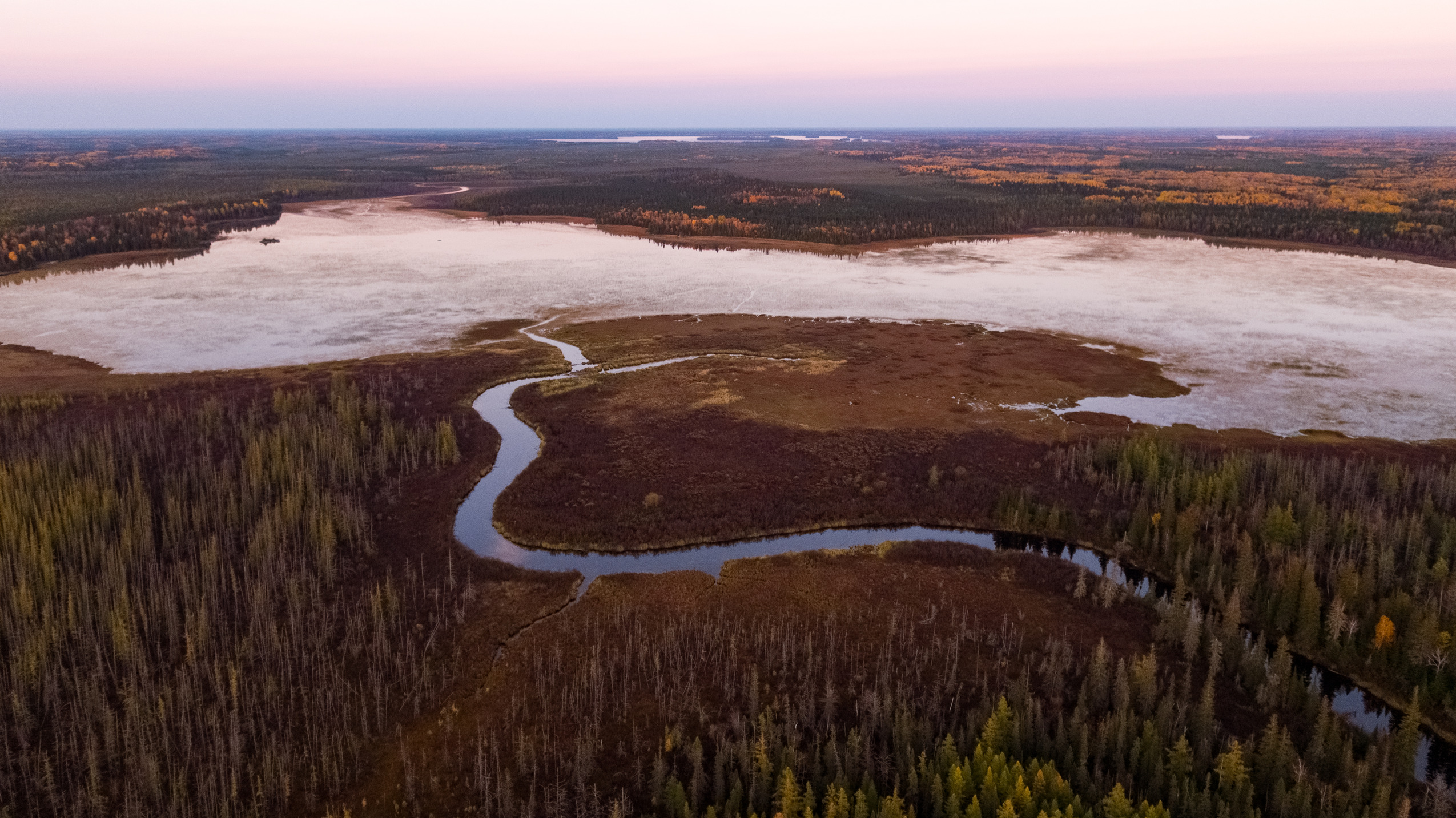
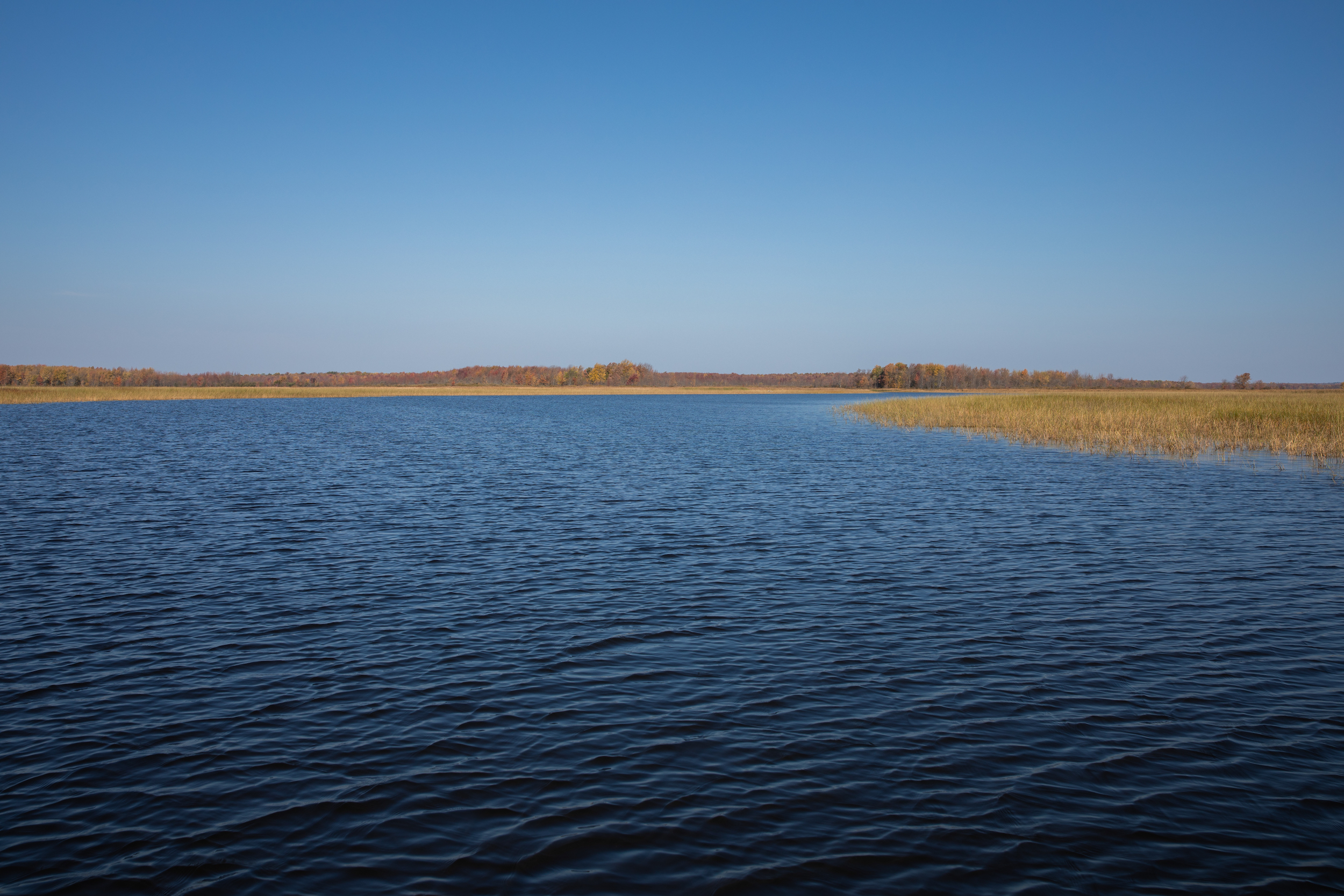
From The Narwhal | News on Climate Change, Environmental Issues in Canada via This RSS Feed.
14
15
ICT NEWSCAST: Native women politicians win, Two-Spirit pride, #NoDAPL anniversary and more
(ictnews.org)
cross-posted from: https://news.abolish.capital/post/54876
The ICT Newscast for Friday, June 5, 2026, covers state primary elections, wildlife preservation, PRIDE month, NoDAPL, LandBack and more. Check out the ICT Newscast on YouTube for this episode and more.
Native Women Take Center Stage in Midterm Elections
Credit: AP/KOAT
Several Native American women are making history as candidates in this year’s midterm elections. Deb Haaland is running for governor of New Mexico, while Mary Peltola of Alaska and Peggy Flanagan of Minnesota are vying for seats in the U.S. Senate. If elected, each candidate would become the first Native American woman to hold her respective office.


Lac du Flambeau Tribe and State at Odds Over Fishing Regulations
On May 28, a federal judge heard arguments from the State of Wisconsin and Lac Du Flambeau Band regarding fishing regulations passed by the band. So far, the judge has declined to issue a ruling. The tribe considers the matter critical to the preservation of specific fish species and the long-term health of their waters.

Two-Spirit Identity Holds Deep Cultural Roots
As Pride Month is celebrated across the country, tribal citizens are sharing the meaning of the Two-Spirit identity and explaining how it differs from LGBTQ+ terminology. More than a label, Two-Spirit carries cultural and communal significance, representing both an identity and a responsibility within the community. Tribal members note that while the understanding of Two-Spirit people varies from tribe to tribe, the concept predates colonization and is deeply woven into Indigenous tradition.

North Dakota Summit Addresses Tribal Energy Gaps, Marks #NoDAPL Anniversary
A three-day summit in North Dakota will bring together tribal leaders and advocates to address inequities in energy funding for Native communities. The Indigenized Energy Initiative, which provides renewable energy products to tribal communities at no cost, hosts the gathering to mark the 10-year anniversary of the No Dakota Access Pipeline movement. The summit, set for Sept. 16-18, features conversations, music, and a forward-looking discussion on tribal energy sovereignty. Indigenous allies and advocates, including Shailene Woodley and Mark Ruffalo, are among the special guests.

Haudenosaunee Cousins Reflect on a Lifetime of Making Music
Rex Lyons and Irv Lyons, Haudenosaunee cousins and members of the band the Ripcords, have been making music together for more than 50 years. Award-winning musicians, the duo released their album White Cadillac in 2024. In a recent interview, the cousins spoke about the influences that shaped their sound and how a shared love of music brought them together from the start.

Fond du Lac Band Celebrates Return of 3,400 Acres
The Fond du Lac Band of Lake Superior Chippewa Indians is celebrating the return of 3,400 acres of ancestral land most recently held by the University of Minnesota. Governor Tim Walz signed legislation formalizing the land transfer, and the tribe has announced plans to restore and revitalize the land.
Author Blends Hip-Hop and Tradition in New Book and Soundtrack
Author That Native Thomas has released Native Love: An X-Indian Chronicle, a new book accompanied by an original soundtrack blending hip-hop with traditional Indigenous music. Thomas says the music was crafted to reflect the emotional tone of the writing. The book weaves together old legends and contemporary life, tackling personal subjects including relationships, substance use and the complexity of identity. Thomas describes the stories as drawn directly from his own experiences and journey.


View previous ICT broadcasts here every week for the latest news from around Indian Country.
Keywords: Native American news 2026, Indigenous news, Native American news today, Tribal news, First Nations news, Native American representation, Native American Entertainment, Native Entertainers, Native American artist, Native artists, Indigenous artists, Indigenous, Community, Culture, LandBack, Identity, Native, Traditional, Heritage, Land, Music, Art, 2 spirit.
The post ICT NEWSCAST: Native women politicians win, Two-Spirit pride, #NoDAPL anniversary and more appeared first on ICT.
From ICT via This RSS Feed.
16
17
18
19
20
21
22
23
cross-posted from: https://news.abolish.capital/post/49524
Sandra Hale Schulman
ICTSANTA FE, New Mexico — Indigenous designers were at the top of their game with enormous feathers, intricate beading and painted leather at the Southwestern Association for Indian Arts Native Fashion Week Gala.
The annual event offered a more refined experience this year in a new location, focused on traditional craft as imagined by contemporary designers. The week also included a Native Creatives Market for two bustling days on May 8-9 at the Eldorado Hotel in downtown Santa Fe.
“We are immensely proud of this year’s Native Fashion Week, and of our ability to present a bold new format to a sold-out audience,” said SWAIA Executive Director Jamie Schulze, Northern Cheyenne/Sisseton Wahpeton Oyate.
“Events like this affirm why SWAIA Native Fashion Week matters, for our designers, for Indigenous communities, and for the future of fashion.”
Runway models show off designer Jontay Kahm’s River Lily Collection on lighted platforms rather than a traditional runway at the Taste of Native Fashion Gala at the Southwestern Association for Indian Arts Native Fashion Week on May 9, 2026, in Santa Fe. Credit: Sandra Hale Schulman/Special to ICT
Moving from the cavernous Convention Center to the elegant Eldorado Hotel, the market started Friday, May 8, with 20 booths from vendors, including Lauren Good Day’s ready to wear, accessories from Sage Mountainflower, jewelers Kenneth Johnson and Cody Sanderson, teeth necklaces from Cole Forrest Jewelry, and upcycled punk designs from Son of Picasso.
A designer kickoff party for the media on Friday night at the Cava Lounge in the Eldorado was attended by dressed-up guests including designer Rebekah Jarvey and her model son Royce, who are both featured in an Emmy-nominated film; actor Gene Brave Rock; “Dark Winds” director Chris Eyre; writer/model Kate Nelson; and Jimmy Dean Horn of Running Horse Studio, who threw an artsy dance after-party at his design studio.
Oscar-winning actor Wes Studi, Cherokee, and Crystal Echo Hawk, Pawnee, director of new media initiative Indigenous House, attend the Taste of Native Fashion Gala at the Southwestern Association for Indian Arts Native Fashion Week on May 9, 2026, in Santa Fe. Credit: Sandra Hale Schulman/Special to ICT
Also attending were media executive Crystal Echo Hawk of Indigenous House; Oscar-winning actor Wes Studi, who wore a “Reservation Dogs” T-shirt under his Navajo wool jacket; and Naiomi and Tyler Glasses, Navajo, who are Ralph Lauren designers, greeting media from Vogue Magazine, Cowboys & Indians, Hamiinat Magazine, and of course ICT.
The party was so hot the hotel’s fire alarm went off about 15 minutes before it was scheduled to end, sending the dressed-up crowd scurrying for the exit. There was no actual fire, but by the time that was determined the bar —- and the doors —- had closed.
The sold-out gala on Saturday found the spacious ballroom decked out with white table cloths and bouquets of white roses. The three-course dinner was by “Chopped” Chef Ray Naranjo from Santa Clara Pueblo who was featured on the ‘Indigenous Inspirations’ episode that ran April 21 on the Food Network.
The first course was a delicious and unexpected salad of roasted plums with goat cheese and piñon nuts. Next was a plate of hearty bison short ribs and maple glazed rings of acorn squash. The dessert was a sweet cream brulee.
The chef sat with his family and was greeted by applause from the guests.
In a change from a traditional runway, the fashion show produced by designer Peshawn Bread, Comanche, took place on five different, lighted platforms as models took strolls around the ballroom onto each, then all gathered at the center for the final turn.
Each Native designer showed five original looks.
Fashion designer Jamie Okuma’s collection at the SWAIA Taste of Native Fashion Gala on May 9, 2026, included these five different designs.
Credit: Photo by Emily Selier, courtesy of SWAIA
Patricia Michaels, Taos Pueblo, burst out with a botanical theme with florals on airy garments that seemed to float in the breeze.
Himikalas Pamela Baker, Squamish/Kwakiutl/Tlingit/Haida, showed her Northwest designs on black silk gowns and cape tops, and war paint on the models’ faces.
Jamie Okuma, Luiseño/Wailaki/Okinawan/Shoshone-Bannock, brought out a cross-section of her collections with a plaid dress, a metallic-and-satin gown, and a showstopper made of painted parfleche, a stiff leather, with rawhide stitching.
Jontay Kahm, Plains Cree, did things up with feathers in a collection he calls River Lily. His column organza dresses had long, colored plumes bursting out of the waist and neckline. One top was of black roses that snaked around the models chest, neck and back.
Lauren Good Day, Mandan/Hidatsa/Arikara, closed out the designer showings with a rainbow of ribbon skirts with matching tops, beaded cradle boards and moccasins. The models rocked the boards and had them strapped to their backs —babies not included. At the final turn, they powwow dance dipped in unison, a powerful ode to solidarity and motherhood.
ICT spotted Good Day in the Santa Fe airport on Monday morning with one of the cradle boards as her carry-on. People stopped to admire it as she sat in the lounge, beaming at the compliments as she read Vogue Magazine’s online story on the show that ran that day by Indigenous writer Christian Allaire. The article featured a beautiful group shot of Good Day with the collection.
The Southwestern Association for Indian Arts Native Fashion Week’s designer reception included, from left, Kate Nelson, CeCe Meadows, Naiomi Glasses and Lauren Good Day on May 8, 2026, at the Eldorado Hotel in Santa Fe. Credit: Sandra Hale Schulman/Special to ICT
“The mission of this weekend? To spotlight artists who are infusing traditional craftwork — from leatherwork to beadwork and beyond — with fresh, contemporary twists,” wrote Allaire, who was fresh from covering the Met gala in New York.
The show featured star models, including actress Kahara Hodges, who walked for Okuma, and CeCe Meadows of Prados Beauty, walked for Good Day.
Native musical performances were interwoven throughout the evening event, with an unexpected opera turn from tenor Bo Shimmin, Pueblo of Acoma, who charmed the room and sang Italian.
Aspyn Kaskalla, Navajo, played solo violin, while Tiana Spotted Thunder sang and DJ Breakawaay, Picuris Pueblo, kept the crowd going.
SWAIA will present its annual Fashion Show during Indian Market August 16.
The post ‘A Taste of Native Fashion’ serves up style, bison, and opera appeared first on ICT.


From ICT via This RSS Feed.
24
25
view more:
next ›