1
submitted 1 week ago* (last edited 1 week ago) by to c/climbing@lemmy.ml


I am a passionate fingerboard/system-board/pick up trainee! What is (are) your favorite off-the-wall training(s)?

2
3
4
5
6


I've done climbed at the gym including belay training, but am getting ready for my first outdoor climb, with someone else more experienced. After talking with some at the climbing store and watching videos including from Summit Seekers , my plan is:

  • bowline off a bight around tree 1 using static rope, safety overhand from the free end of the bight around one side
  • stopper knot (double overhand) on the loose end to make a tether through my grigri while working near the cliff edge
  • bowline off another bight around tree 1, again overhand safety knot
  • BHK (overhand in a bight in the center to form the master point, just past the cliff edge
  • opposed quick draws off the BHK to connect the top rope to the BHK

Here's the mockup in my living room:

overview

The white rectangle is my cliff edge / the towel or bag I would put between the rope and the sharp edge.

master point

I've seen opposing locking carabiners used off the master point instead of quick draws, though I see quick draws used off hardware anchors. Is it important?

bowline and tether

Is it important how close/far the safety knot is from the bowline? I've used bowlines for years so I'm aware of how they can turn into slip knots if you're not careful.

bowline

Any critique of the overall setup, individual knots, use of equipment etc very welcome!

7
 
 
8
 
 
9
 
 
10
11
12
13
submitted 11 months ago by to c/climbing@lemmy.ml


Looking back at our tracks down from Mt Brewster after climbing the South West face

14
15
16


Thinking of dabbling into trad, looking to build out a rack on an as-needed basis.

Climbing here mostly in Southern Ontario, so limestone blocks along the Niagara escarpment.

Some light research suggests I should:

  • favour passive pro over cams (slimestone, etc.)
  • consider offset nuts

... then the topics seem to always drift into a discussion about the merits of tricams lol

Looking at the dragons in size 2-4 to start.

Am I on the right track?

Also I'm legit afraid of using the #nuts or #rack tags.

17
submitted 1 year ago by to c/climbing@lemmy.ml
 
 
18


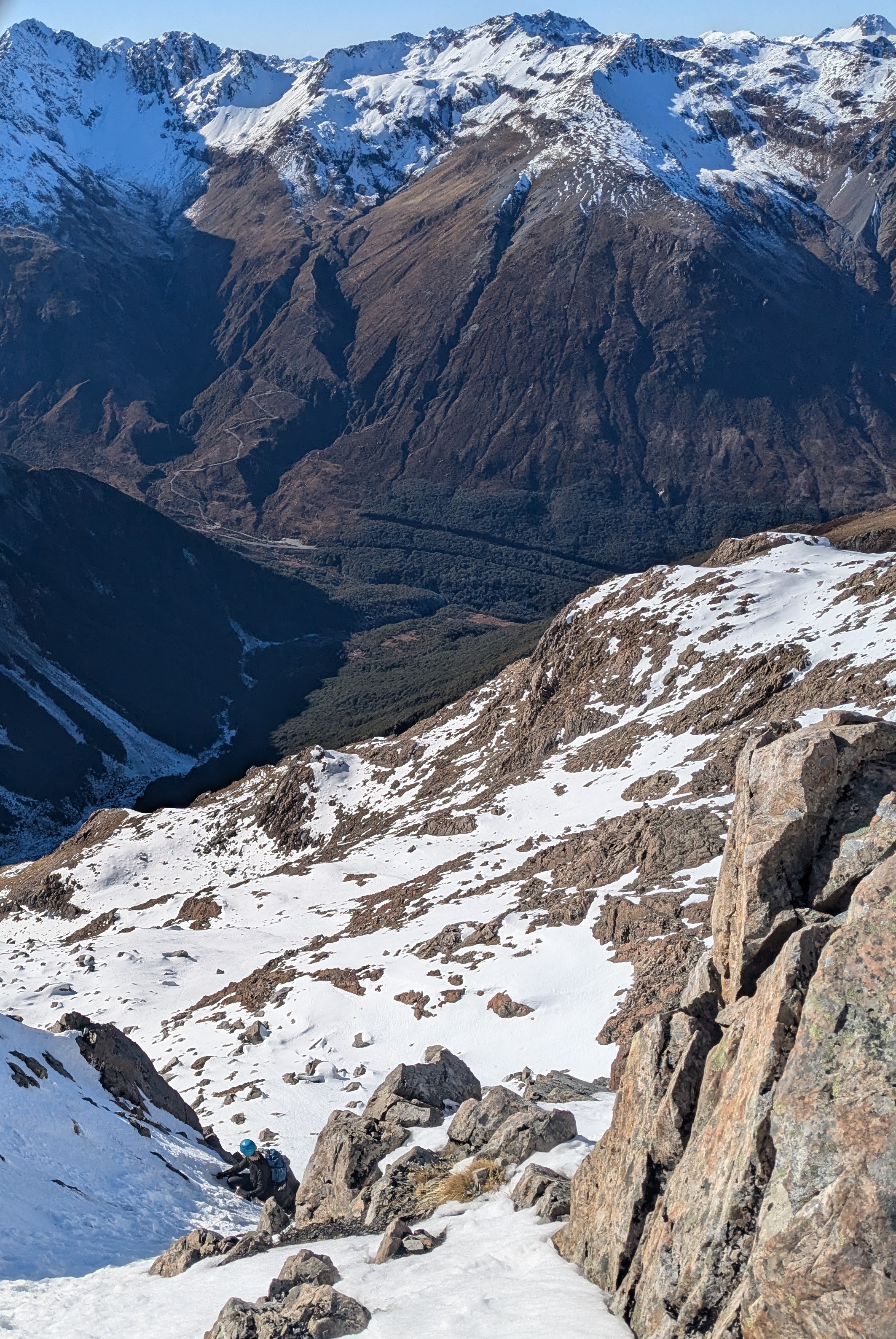
The Ahuriri valley, NZ

19
Question about carabiner orientation (blackdiamond-cms.zaneray.com)
submitted 1 year ago* (last edited 1 year ago) by to c/climbing@lemmy.ml


I was belaying the other day with a BD GridLock Carabiner (see PDF if you're unfamiliar - it's labelled 'D') and a GriGri.

Had an issue that the GriGri worked its way around the carabiner and was pushing against the gate, essentially trying to open it. Now, obviously I did my pre-climbing checks and so the gate was screwed shut, but I was a little concerned anyway. So, I checked out the manual for the GridLock (see PDF) and it says you're meant to put a GriGri the other way around than when using an ATC. So, firstly, just FYI - this is the way Black Diamond say to do it, with the GriGri in the narrow end of the carabiner (that's the 'crotch' rather than the 'basket').

Okay, so far so good. But then I noticed that the same image suggests that you put the GridLock so that the gate is on the same side as the dead rope (right when belaying if you're right handed). I've always done it the other way around, so I was now additionally confused.

But wait! It gets weirder! Black Diamond's manual also suggests that with a standard screwgate biner, the gate should also be on the dead rope side. Now, this can't possibly be right, surely? Because the rope could potentially roll the gate open.

Now I'm baffled. I've always had the screwgate on the left, away from the rope, because it seems natural to do it that way, and having the screwgate on the right (rope side) seems potentially dangerous, but apparently that's how BD, at least, think it should be done! I'd kinda like an answer to this, given that I'm trusting my climbing buddies' lives to these things.

What are /c/climbing's thoughts on this?

20


A 19 pitch climb in the Cleddau Valley

21


My partner is about 20% lighter than me, and wants to get a belay resistor. We've used the first version of the Ohm in the past, and didn't like the hard catch. We've had the Raed Zaed recommended, but it looks like the Ohm II might be better again. I know it's only just been released, but does anyone have experience with both? Which would you recommend?

22
 
 
23


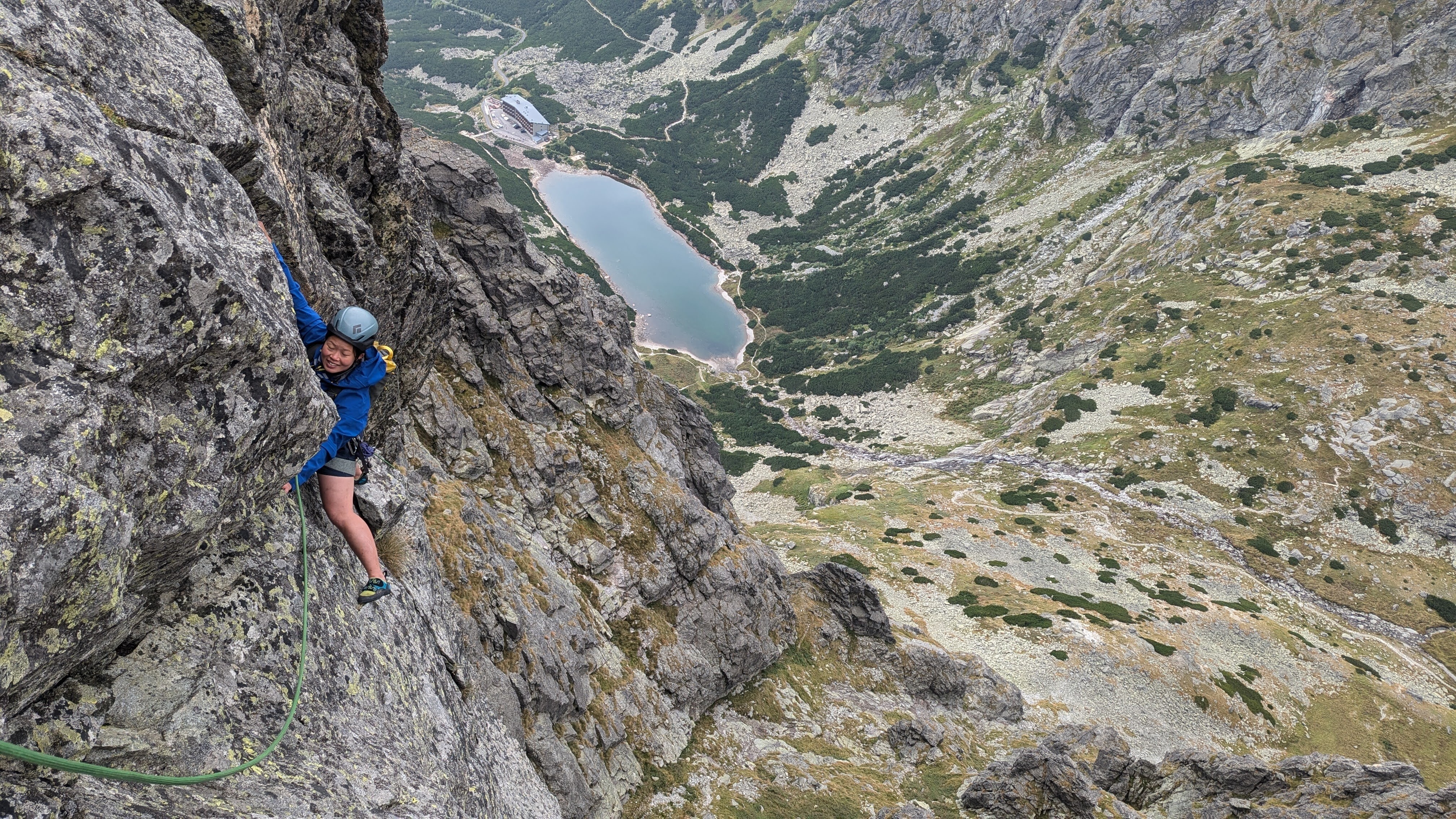
Hrana Velickej steny, a UIAA 5 in the Tatra mountains
24
Zabi Kon (lemmy.nz)


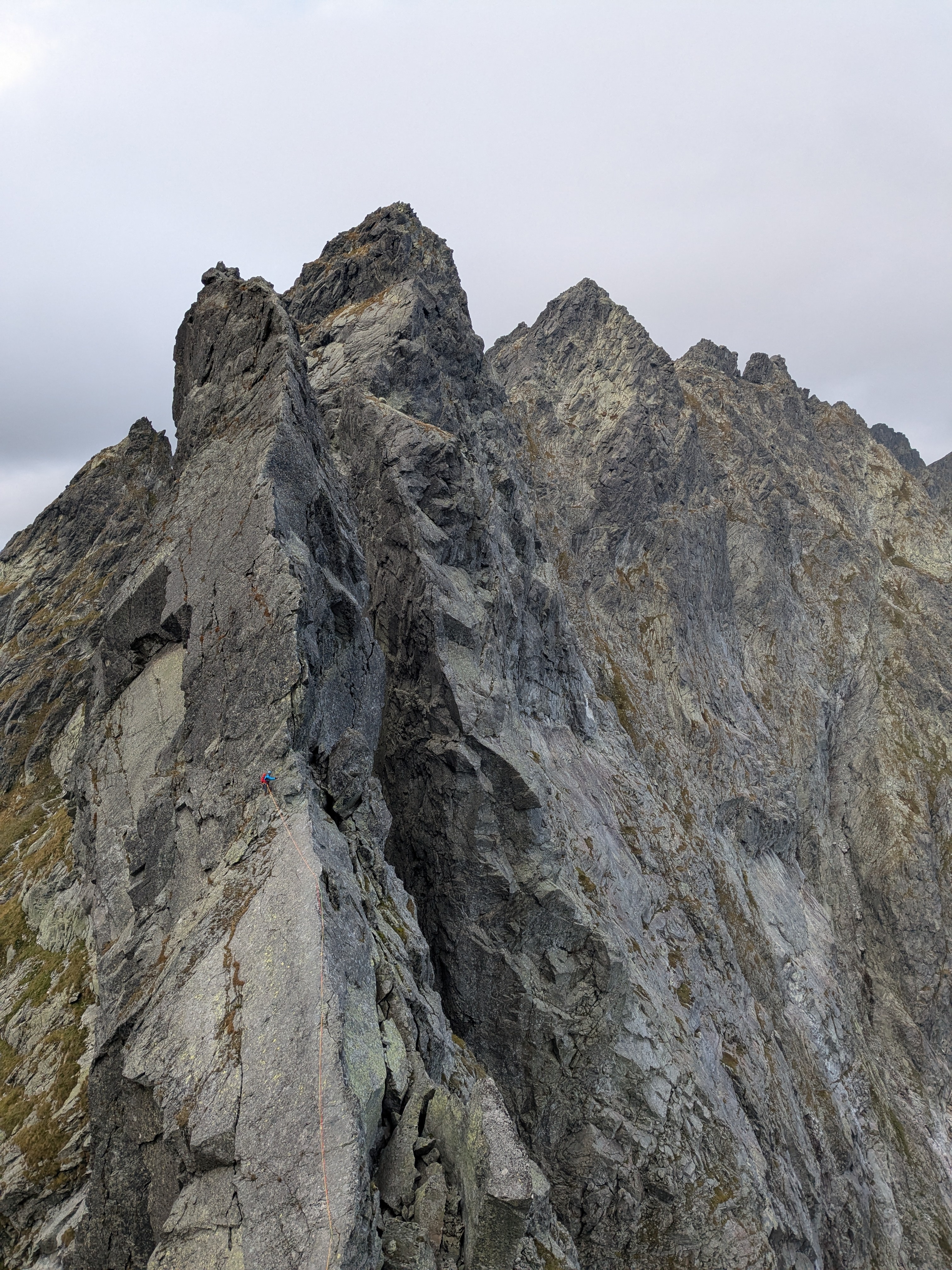
A cool feature on the ridge between Slovakia and Poland (UIAA 3)
25
 
 
view more: next ›